cars
3
Forget Load Shedding, This Is The Real Innovation Coming Out Of The UK!
June 28, 2026
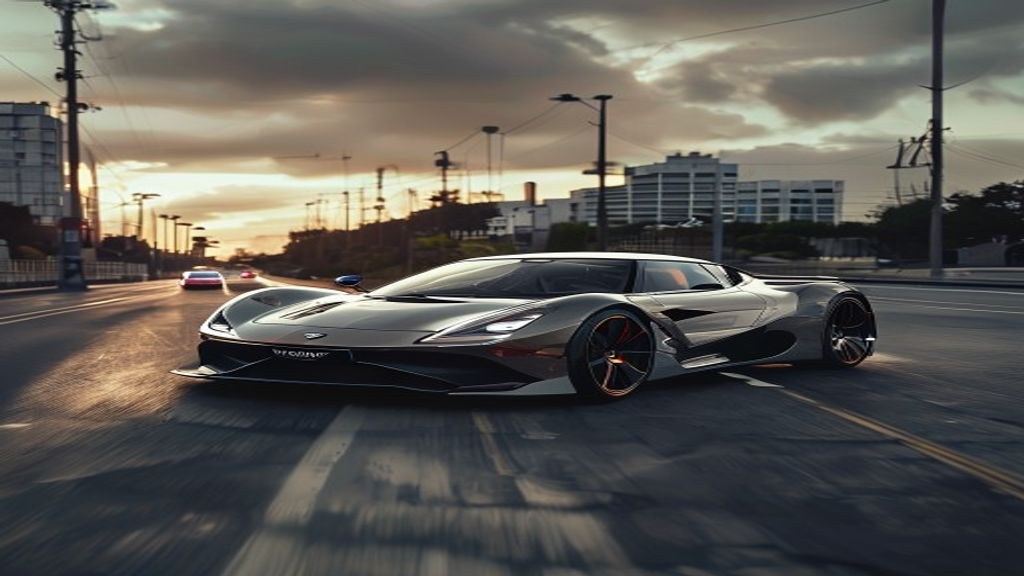
Imagine a brand-new, V8-powered Lotus Esprit successor – not in five years, not in three, but potentially hitting the road within *twelve months*. Jislaaik. While we’re battling Stage 6 load shedding and debating whether another petrol price hike will bankrupt us, the UK is quietly cooking up something seriously befok in the automotive world. This isn’t just about building a faster car; it’s about completely rethinking how cars are developed, and frankly, it’s a kick in the teeth to the glacial pace of innovation we’ve become accustomed to.
## So, What's This 'Virtual Car Building' Kak All About?
Look, we all know the automotive industry is slow. Like, Checkers sixty-year-old loyalty programme slow. Years of design, prototyping, and testing go into *every* new model. It burns cash faster than a Durban beachfront party on New Year’s Eve. But two British firms – Avant Design and Watt Electric Vehicles – are flipping that script. They’re using virtual reality and 3D modelling not just for flashy renders, but to build a *functional* car.
Avant Design isn’t just sketching pretty pictures in VR; they’re fully fleshing out a car, folding in all the real-world engineering requirements. This isn't some concept art for a future that may never arrive. It's about drastically cutting development time and costs. Think of it as a digital braai – you prep everything in the virtual space before firing up the coals (or, in this case, the production line).
## PACES: The 'Skateboard' That Isn't Just For Scooters
The secret sauce is Watt Electric Vehicles’ PACES (Passenger And Commercial EV Skateboard) platform. Now, we've all heard about ‘skateboard’ platforms for EVs – the idea of a standardized base that can be adapted for different body styles. But this isn’t just another electric vehicle platform. PACES is modular, meaning it can handle everything from electric motors (obviously) to a proper old-school V8.
Watt Electric Vehicles showed off a drivable version of PACES at this year's CES technology show. It's not just a theoretical exercise; it's a working chassis. This flexibility is key. It means manufacturers can experiment with different powertrains and configurations without starting from scratch every time. It's like building with LEGOs, but for cars.
## Lotus Esprit Reborn? This Concept Is Actually Befok!
This all comes together in a stunning 2+2 concept commissioned by U.K. publication *Autocar* as a challenge: what would it take to bring a lightweight sports car back to the U.K.? The result is a design that's shockingly close to production-ready. It’s a modern reimagining of the iconic Lotus Esprit, aiming for a weight of around 2000 pounds and powered by a mid-engine V8.
This isn’t just about nostalgia, bru. This concept is a statement. It shows that it’s possible to create exciting, engaging sports cars without spending a fortune. It’s a slap in the face to every manufacturer churning out yet another beige crossover. The fact that it’s theoretically only a year away from being road legal, and another year to production, is simply mind-blowing.
## Why This Matters To You (And Your Wallet)
Okay, so a fancy Lotus concept is lekker, but what does it mean for the average South African? This tech could inject some much-needed competition into the car market. If manufacturers can develop cars faster and cheaper, they might actually be willing to take risks and offer more variety. This could mean more options for us, and potentially, lower prices.
Imagine a world where you aren’t limited to the usual suspects at Takealot and Dis-Chem. A world where innovation isn’t stifled by risk aversion. That's the promise of this technology. It's a reminder that innovation isn't always about building something entirely new; sometimes, it's about building things *smarter*.
## Man in a Shed 2.0: The UK's Secret Weapon
The UK has a long history of small, innovative firms punching above their weight. Think Cosworth, the engine specialists. This collaboration between Avant Design and Watt Electric Vehicles is a perfect example of that “Man in a Shed” spirit, but with a 21st-century twist. They’re taking that can-do attitude and combining it with cutting-edge technology.
As the article points out, Mazda previously used UK specialist firms, all the way back to sorting out the original Miata. There's no reason why other OEMs couldn't come knocking with other projects, everything from little sports cars to EV pickup trucks. Watt and Avant can accelerate the process to proof-of-concept status quickly, then turn over a functioning prototype for fine tuning.
## Could This Work For SA? (Don't Hold Your Breath)
Now, the big question: could this work in South Africa? Honestly? Don't hold your breath. We’re battling load shedding, a skills shortage, and a generally challenging business environment. The infrastructure and investment required to replicate this kind of innovation are simply not in place.
While we have talented engineers and designers, the lack of a stable power supply and a supportive regulatory environment would make it incredibly difficult to compete. It's a kak situation, frankly. We're good at adapting and making do, but this requires a level of forward-thinking and investment that feels a long way off.
**Verdict:** This collaboration between Avant Design and Watt Electric Vehicles is a game-changer. It’s a beacon of hope in a market saturated with bland, uninspired vehicles. The potential for a V8-powered Lotus Esprit successor within twelve months is enough to get any petrolhead excited. This isn't just about a single car; it's about a new way of building them.
But is this the future of car manufacturing? And, more importantly, could South African companies learn from this and find a way to innovate despite our unique challenges? Click here to find out if local manufacturers can actually pull off a similar feat.
Based on reporting by
https://www.caranddriver.com/news/a71755341/watt-avant-design-lotus-concept-car-collab/