news
1
Calls grow for overhaul of South Africa's film and television incentives
June 06, 2026
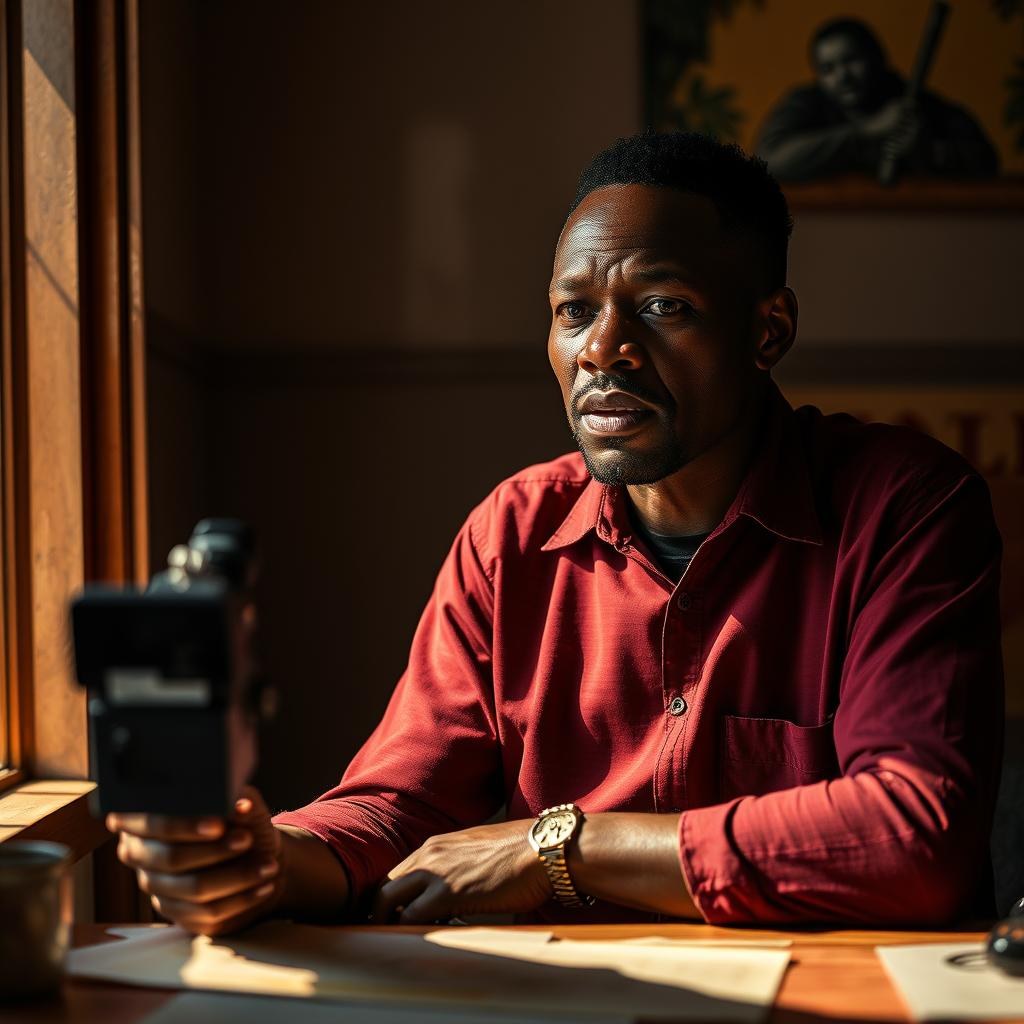
Eish, bru. The kak show around South Africa’s film rebates is so befok, it’s starting to threaten everything from your favourite local series to the price of your peri-peri chicken. Seriously. A stalled film industry doesn’t just mean fewer series on Showmax; it bleeds into the wider economy, and ultimately, hits your pocket.
## So, What’s Actually Going Wrong With the Rebates?
Let's be real, the current system is a mess. The Department of Trade and Industry Corporation (DTIC) manages the 25% rebate scheme, and filmmakers are saying the new guidelines are unnecessarily complicated and lack transparency. It’s not like ordering a Nando’s – you can’t just tap and go. Instead, you’re facing a bureaucratic nightmare. Local filmmakers are rightly asking where the transparency is. It’s a proper moegoe situation.
## The Money Maze: Why Are Filmmakers Waiting Years for Reimbursement?
Years, bru. *Years*. That’s how long some filmmakers are waiting to get their hands on money they’re *already owed*. A significant backlog of previously approved applications has left creatives in the lurch. Think about it: you finish a project, jump through all the hoops, get approved, and then… nothing. Your cash flow is shot, you can’t start the next project, and the whole industry suffers. This isn’t just frustrating; it’s financially crippling for production companies. It’s befok, plain and simple. You'd think a country dealing with load shedding could at least process a rebate efficiently!
## Netflix is Here, But Is It Enough to Save the Show?
Netflix is trying, I’ll give them that. Their ScreenCraft Pathways initiative, partnering with the Gauteng Film Commission and the KwaZulu-Natal Tourism and Film Authority, recently named 14 young creatives for a training programme. It's a start. But is a small initial programme enough to rescue an entire industry? Emma Openshaw, a Senior Research Analyst at Olsberg SPI, thinks programmes like this are “fundamental” because they “signal internationally that there is an opportunity for private investment.” She’s right, but it's like trying to fill the Karoo with a bucket. Private investment is lekker, but it's not a sustainable solution on its own.
## Budget Battles: Is Arts & Culture Just an Afterthought?
Gauteng MEC Lebogang Maile hit the nail on the head when he pointed out that arts and culture consistently get the short end of the stick when it comes to government funding. He noted that education, with its growing demands, now serves far more people than in 1994 and therefore receives a larger share of public resources. Fair enough. But Maile rightly argues that sports, arts, culture, and creative industries haven't seen similar budget growth. He suggested the creative sector has often been “treated as a secondary issue rather than a strategic economic sector.” Jislaaik. It’s like the government thinks a thriving film industry just… happens. You want a booming economy? Invest in the people *creating* the boom.
## The Bigger Picture: Why a Thriving Film Industry Matters to *You*
This isn't just about actors and directors living the high life in Sandton. A thriving film industry creates jobs – a lot of them. From camera operators to caterers, from set designers to security personnel, it's a massive employer. It also boosts tourism. Think about all the international productions filmed in Cape Town CBD. People travel, spend money at hotels, eat at restaurants, and buy biltong at Checkers. It's a whole ecosystem. And let’s not forget the soft power – a successful film industry boosts South Africa’s image internationally. No one wants to invest in a country that can’t even sort out its rebates.
## Data is King: What Does the Industry Need to Prove its Worth?
According to Emma Openshaw, the industry needs to prove its economic value. She stresses that you “have to have the data to prove that there is economic fibre that's here that's not just an ask-for-arts-safe sector.” Basically, they need concrete numbers to demonstrate the return on investment. It’s about showing the government that investing in film isn’t just a nice thing to do; it’s a smart economic move. It’s time to stop relying on vibes and start presenting solid evidence.
## Can We Fix This? What Needs to Happen Now?
The solution isn’t simple, but it’s clear: government and the private sector need to work together. Maile himself stressed the importance of partnerships. Openshaw also pointed out that, unlike in Europe, South African filmmakers have fewer options for bank loans and private financing, making the rebate system even more crucial. We need a realistic and effective incentive structure, one that acknowledges South Africa’s fiscal constraints. It’s about finding a balance, streamlining the process, and getting money into the hands of filmmakers quickly. And for goodness sake, let’s get some transparency into the system!
**Verdict:** The South African film industry is on life support, and the current rebate system is actively contributing to its decline. It’s a kak situation, but not irreversible. Government needs to prioritize arts and culture, streamline the rebate process, and embrace partnerships with the private sector. Otherwise, expect to see more productions moving elsewhere, fewer jobs created, and a continued decline in South Africa's creative economy. And, yes, your next Nando’s might very well cost you more.
But is the government even listening to the calls for change, or are we destined to watch our film industry fade into the sunset? Click here to find out what other industries are facing similar struggles in South Africa.