news
3
Africa's World Cup Shocker: Is This the End of European Football Dominance?
June 29, 2026
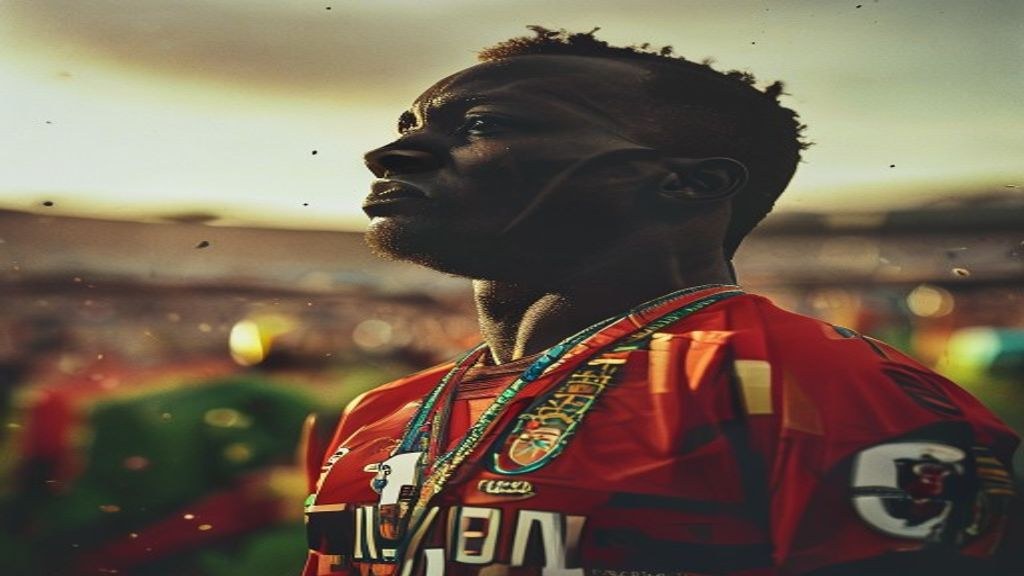
Forget the Springboks for a minute, bru – Africa just showed the world it's not messing around at the World Cup, and it's time we started taking our own football seriously. While we were all celebrating Kolisi lifting the Webb Ellis Cup, Bafana Bafana, Morocco, and others were quietly rewriting the script on the global stage. This isn’t just about national pride; it’s about where the smart money is going, the opportunities opening up, and frankly, why we’re still paying R25 for a pie at Checkers when the world is changing.
## So, What's Actually Going On?
Let's be real, for years, African teams were often seen as the whipping boys of the World Cup. A bit of flair, sure, but lacking the consistency and tactical nous of the European and South American giants. But something’s shifted. Morocco, for example, became the first African nation to reach a World Cup semi-final, knocking out Spain and Portugal along the way. Bafana Bafana, while not reaching the same heights, showed flashes of brilliance and a renewed sense of belief. It’s not just about upsets either; it's about a pattern emerging. Teams are competing, *winning*, and making a proper nuisance of themselves. This is not a flash in the pan, this is a potential turning of the tide.
## Broos is Buzzing – And He's Got a Point
Hugo Broos, Bafana’s coach, has been vocal about the growing self-belief within African teams. And he’s spot on. This isn’t just about better players (although that helps). It’s about a mental shift. For too long, African football has been playing catch-up, trying to emulate the European model. Now, teams are embracing their own style, developing their own tactics, and believing they can genuinely compete. Broos understands that. He's seen it firsthand. It’s a lekker change to see, honestly.
## Beyond the Upsets: Why is Africa Suddenly Shining?
Okay, so what’s fueling this change? It's a complex mix, but a few things stand out. Investment in youth development is crucial. More and more African nations are focusing on nurturing local talent, building academies, and providing opportunities for young players to hone their skills. Tactical evolution is also playing a role. Teams are becoming more sophisticated in their approach, utilizing modern training methods and analyzing opponents with greater detail. And let’s not forget the changing global landscape. European football, while still dominant, is facing its own challenges – financial pressures, aging squads, and a growing gap between the elite and the rest. This creates space for other continents to rise.
## What Does This Mean for Bafana Bafana (and Your Weekend Bets)?
The big question, obviously, is what this means for Bafana. Can they capitalize on this momentum? Absolutely. But it’s going to require continued investment in youth development, a clear tactical vision, and a relentless pursuit of excellence. We need to stop celebrating mediocrity and start demanding world-class performances. Looking ahead, the next Africa Cup of Nations is a massive opportunity. If Bafana can build on their recent progress and harness the growing confidence within the team, they could make a serious run for the title. And for you braai boets with a little bit of disposable income? Keep an eye on those underdog bets, bru. The odds are shifting.
## The Money Game: Where's the Investment Flowing?
Let's talk brass tacks. Football is a business, and where the money goes, the power follows. FIFA invests significant resources in developing football across Africa, but it's not enough. We need to attract more private investment, secure lucrative sponsorships, and create a sustainable economic model for African football. Right now, the numbers don't lie: European leagues generate far more revenue than their African counterparts. The English Premier League, for example, rakes in billions – a figure that dwarfs anything seen in Africa. But the potential is there. A thriving African football industry could create jobs, stimulate economic growth, and transform the continent’s image on the global stage.
## From the Pitch to the Boardroom: What SA Businesses Can Learn
This isn’t just about football, it’s about business. South African companies can learn a lot from the success of African football. Resilience is key. African teams have often overcome significant obstacles – limited resources, political instability, and infrastructure challenges – to achieve success. Innovation is also crucial. Teams are finding new and creative ways to compete, utilizing their strengths and exploiting the weaknesses of their opponents. And finally, tapping into a passionate market. The passion for football in Africa is unparalleled. Businesses that can connect with this passion and understand the needs of African consumers will be well-positioned for success. Think Nando's sponsoring a local team, or Takealot running a Bafana Bafana promotion. It's a win-win.
## Is This the Start of a New Era for African Football?
Look, it's early days. Europe still holds the lion's share of the power and the money. But the cracks are starting to show. Africa is rising, and it's not going to be ignored. The success of Morocco, the progress of Bafana Bafana, and the growing confidence within African football all point to a potential shift in the global order. This isn't just about football; it's about a continent asserting its presence on the world stage. It's about challenging the status quo and proving that anything is possible.
**Verdict:** Africa isn't just playing football anymore; it's making a statement. The momentum is building, the investment is flowing, and the future looks brighter than a Durban beachfront sunset. It's time for South Africa to get serious about football – not just as fans, but as investors and innovators.
But here's the real question: with all this potential, will SA's governance ever get its act together enough to truly capitalize on this wave? Click here to find out why our own backyard might be the biggest obstacle to unlocking Africa’s footballing future.