cars
1
R350k Gets You a Double Cab? We Rank SA's Cheapest Bakkies
June 29, 2026
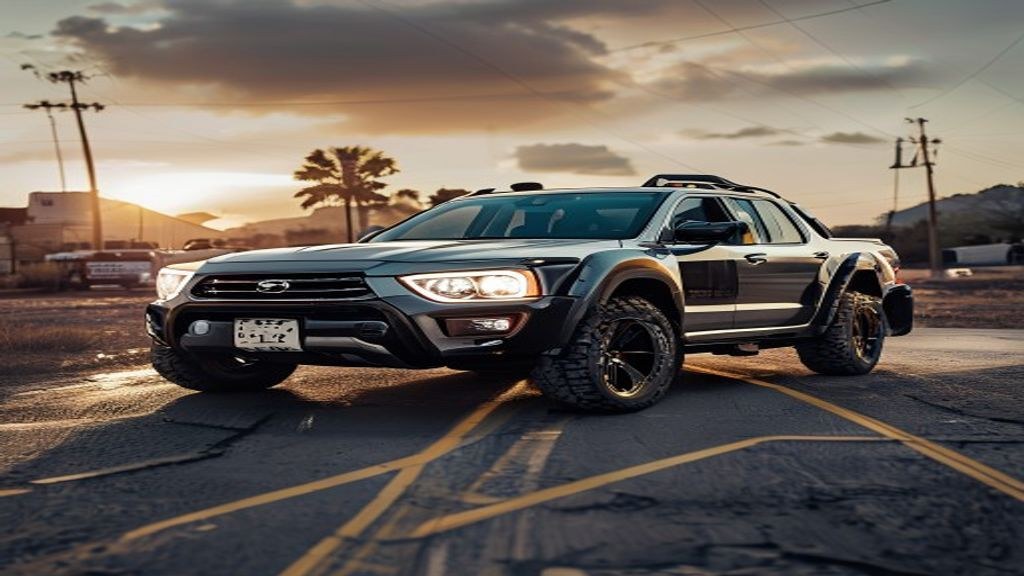
Load shedding’s got your wallet screaming, but you *still* need a bakkie – and we’ve found the most affordable double cabs from every major brand in South Africa, starting under R350,000. Let’s be real, bru, a bakkie isn’t a luxury here. It’s a necessity. Whether you’re hauling building materials from Builders Warehouse, escaping to the Drakensberg for a weekend braai, or just need something solid enough to survive a trip to the Durban beachfront, a double cab is often the only vehicle that cuts it.
## Why Even Bother With a Double Cab These Days?
Look, things are tight. Petrol prices are kak, and the economy… well, let’s not even go there. But the need for a reliable, versatile vehicle hasn’t disappeared. A double cab offers practicality that a fancy SUV just can’t match. You can throw everything *in* it – the toolbox, the camping gear, your cousin’s entire sound system for the jol. Plus, let’s be honest, the security aspect is huge. A bakkie is a harder target than most hatchbacks, especially in places like the Sandton CBD. And there’s just something… lekker about owning a bakkie. It’s part of the South African DNA.
## The Contenders: Every Brand, One Entry-Level Bakkie
We’re not looking at the top-spec models here, boet. We’re hunting for the workhorses, the ones that get the job done without emptying your bank account. Here’s the lineup of the most affordable double cabs we could find:
* **Toyota Hilux:** The legend. Toyota Hilux Double Cab 2.4 Diesel Raider – the starting point.
* **Ford Ranger:** The perennial rival. Ford Ranger Double Cab 2.2 TDCi XL.
* **Isuzu D-Max:** Often overlooked, but seriously capable. Isuzu D-Max Double Cab 2.5 Diesel.
* **Nissan Navara:** A solid contender. Nissan Navara Double Cab 2.5 Diesel.
* **Mahindra Bolero:** The disruptor. Mahindra Bolero Double Cab.
* **GWM P Series:** The newcomer. GWM P Series Double Cab 2.0 Turbo Diesel.
## Price Breakdown: From Budget to… Slightly Less Budget
Alright, let’s get down to brass tacks. Here’s where it gets real. These prices are current as of today, but things change faster than the weather in Cape Town, so check with dealerships.
| Bakkie | Starting Price (ZAR) |
|-------------------|-----------------------|
| Mahindra Bolero | R239,999 |
| GWM P Series | R325,900 |
| Isuzu D-Max | R339,500 |
| Nissan Navara | R345,900 |
| Toyota Hilux | R352,900 |
| Ford Ranger | R360,600 |
Notice anything? The Mahindra is *significantly* cheaper. Like, "load shedding can’t touch me" cheaper. But is it too good to be true? We’ll get to that.
## What Do You *Actually* Get For Your Rands?
Let’s be honest, at these price points, you're not getting all the bells and whistles. Expect steel wheels, basic interiors, and a focus on function over form. Here's a quick rundown of some key specs:
* **Mahindra Bolero:** 2.5L Diesel, 75kW, 200Nm. Basic safety features. Load capacity: 1,090kg.
* **GWM P Series:** 2.0L Turbo Diesel, 100kW, 300Nm. More modern features than the Mahindra. Load capacity: 1,000kg.
* **Isuzu D-Max:** 2.5L Diesel, 79kW, 236Nm. Known for reliability. Load capacity: 1,030kg.
* **Nissan Navara:** 2.5L Diesel, 100kW, 304Nm. A bit more refined than the Isuzu. Load capacity: 932kg.
* **Toyota Hilux:** 2.4L Diesel, 110kW, 310Nm. Toyota’s legendary reliability. Load capacity: 880kg.
* **Ford Ranger:** 2.2L TDCi, 110kW, 385Nm. Offers a good balance of power and efficiency. Load capacity: 1,000kg.
Will these specs handle a full braai setup and a load of firewood? Probably. Will you be winning any drag races? Definitely not.
## The Mahindra Bolero: Seriously, Is This a Joke?
Okay, let's address the elephant in the room. The Mahindra Bolero is *cheap*. Like, suspiciously cheap. It undercuts the competition by a massive margin. But here’s the thing: you get what you pay for. The Bolero is… basic. The interior feels dated, the ride is rough, and the safety features are minimal. But, and this is a big but, it’s surprisingly capable. It’ll get the job done, and it’ll keep getting the job done even when the potholes are trying to swallow your wheels whole. If you’re on a seriously tight budget and need a workhorse, it’s worth considering. But don’t expect luxury. Think of it as a bakkie that’s built to survive, not to impress.
## So, Is It Worth Your Rands? (And Which One Should You Buy?)
For sheer value, the **GWM P Series** stands out. It offers a good balance of price, features, and performance. It's not as legendary as the Hilux, but it's a solid bakkie that won’t break the bank. If you absolutely *must* have a Toyota, the Hilux is still a good bet, but you’ll pay a premium for the badge. The Ford Ranger is a strong contender, but it’s the most expensive in this group. The Isuzu D-Max and Nissan Navara are solid, reliable options, but they don't quite offer the same bang for your buck as the GWM.
As for the Mahindra Bolero? It's a compelling option *if* you're prepared to compromise on comfort and refinement. It’s a no-frills, get-the-job-done kind of bakkie. But if you want something a little more polished, look elsewhere.
## Future-Proofing Your Bakkie: What’s on the Horizon?
Bakkie prices are only going to go one way – up. Global supply chain issues and the weakening rand are putting pressure on manufacturers. Expect to see more affordable models, like the Mahindra, gaining traction as buyers become more price-sensitive. The question is: will the manufacturers respond with more competitive pricing, or will we all just have to accept that owning a bakkie is becoming a luxury?
So, you’ve decided a double cab is the way to go. But with fuel costs soaring, are electric bakkies actually a viable option in South Africa? Click here to find out.