tech
2
533 Nigerians Evacuated From SA: What Does It Mean For Your Pocket?
June 30, 2026
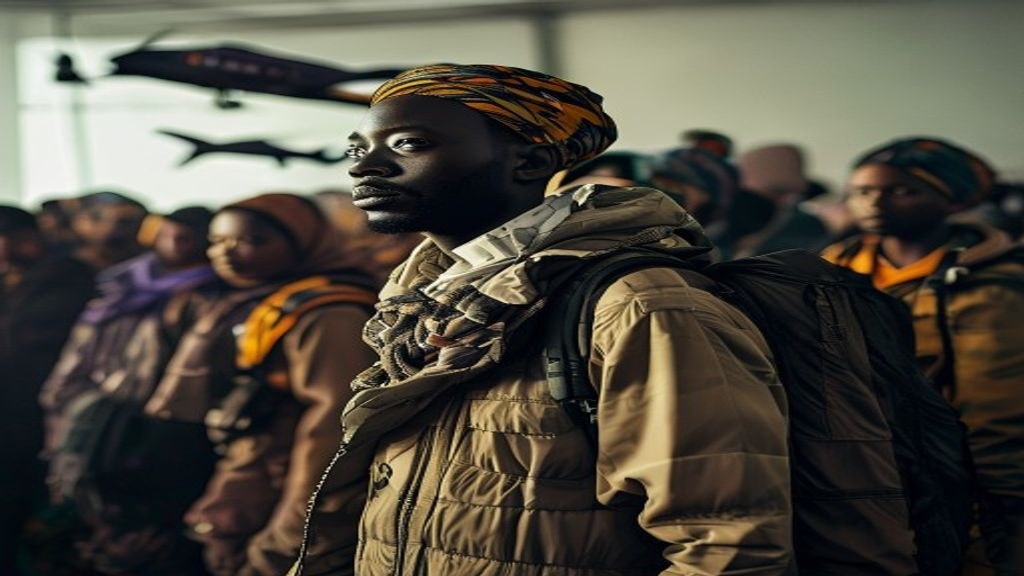
While we’re battling load shedding and petrol prices that could fund a small nation, over 533 Nigerians were flown home by Air Peace – and that, bru, is a story with more layers than a Gatsby. It’s not just about people going home; it’s about what that movement says about our economy, our reputation, and frankly, how the world sees us right now. This isn’t some feel-good story about helping people; it’s a potential kick in the teeth for South Africa, and we need to understand why.
## So, What Actually Happened With This Evacuation?
Let’s get the basics right. Air Peace, a Nigerian airline, completed the evacuation of **533** Nigerian citizens from South Africa. This wasn’t a spontaneous decision, mind you. It followed a period of…let’s just say “unpleasantness” – reports of xenophobic attacks and a general sense of unease amongst the Nigerian community here. The airline operated multiple flights to get everyone home safely. The whole thing was a logistical operation, no doubt, but the underlying reason is what’s really giving me heartburn. It’s not just about individuals feeling unsafe; it’s about a signal being sent to the world.
## The Rand Took a Knock? Let's Talk Money.
Okay, so 533 people leave. Does it matter to your wallet? Jislaaik, it potentially does. Look, we're not claiming this is a direct correlation, but the optics are kak. Fewer Nigerians here means potentially less tourism spend. Less tourism spend means less rand flowing into the economy. And with our economy already walking a tightrope, every little bit counts.
We need to consider the bigger picture. Foreign investment is already skittish thanks to, well, everything. Load shedding alone is a massive deterrent. Add to that a reputation for xenophobia, and you’ve got a recipe for disaster. While we don't have exact figures on how much Nigerian tourism contributes to the South African GDP (and the source doesn't provide that), a drop in any foreign revenue stream is bad news when you’re trying to keep the lights on. I’m looking at you, Eskom.
## Air Peace: Who Are These Guys, And What's Their Game?
Air Peace swooped in and did a good deed, right? Maybe. But let's not be naive. Air Peace isn’t exactly a charity. They're a business. They’re a Nigerian airline that, according to reports, has been expanding rapidly. This evacuation was a massive PR win for them – showcasing their capabilities and solidifying their position as a key player in West African aviation.
It’s also a smart move from a business perspective. You’ve got a captive audience of 533 Nigerians who are now likely to be loyal Air Peace customers for future travel. Smart. Very smart. It’s the kind of calculated move you’d expect to see from a Sandton businessman, not just an airline.
## Xenophobia & Tourism: Is This Bad For SA's Image?
Let’s be real, bru. This evacuation isn’t happening in a vacuum. It's linked, directly or indirectly, to concerns about xenophobia in South Africa. And that’s a massive problem for our tourism industry.
Cape Town CBD, the Durban beachfront, the Winelands – these places thrive on international visitors. If people start associating South Africa with hostility and violence, they’re going to think twice about spending their money here. It’s that simple. We need serious damage control, and it needs to start with addressing the root causes of xenophobia and sending a clear message that everyone is welcome here – regardless of where they come from. The Nando’s adverts are lekker, but they don’t fix systemic problems.
## Beyond the Headlines: What This Tells Us About SA-Nigeria Relations
South Africa and Nigeria are supposed to be the economic powerhouses of Africa. But this evacuation highlights a growing tension between the two countries. It’s not just about the immediate issue of safety; it’s about a broader power dynamic. Nigeria is becoming increasingly assertive on the African stage, and they’re not afraid to protect their citizens.
This incident could be a symptom of deeper issues – competition for regional influence, disagreements over economic policy, and a general lack of trust. We need to rebuild those relationships, and fast. Otherwise, we risk being left behind as Nigeria continues to rise.
## What Does This Mean For You, The Average Boet?
Look, this isn’t about scaremongering. But it’s about being realistic. The evacuation of **533** Nigerians is a wake-up call. It’s a reminder that our economy is fragile, our reputation is at stake, and we need to get our act together.
From the price of your biltong (affected by rand fluctuations) to the stability of your investments (affected by foreign confidence), this situation has the potential to impact your daily life. We need to prioritize economic stability, address xenophobia, and rebuild our relationships with key partners like Nigeria. Otherwise, we’re heading for a kak future.
**The verdict?** This isn’t just a Nigerian story; it’s a South African story. And it’s a story that demands our attention. We need to face the uncomfortable truths, address the underlying issues, and work towards a more inclusive and prosperous future.
But here’s the real question: with the Boks having just won the Rugby World Cup, can that positive energy be harnessed to rebuild South Africa’s image on the global stage, or will the underlying economic and social challenges continue to drag us down? Click here to find out what the experts are saying about the future of South Africa’s brand.