news
2
Are you part of South Africa's sandwich generation? Here's what it means
June 06, 2026
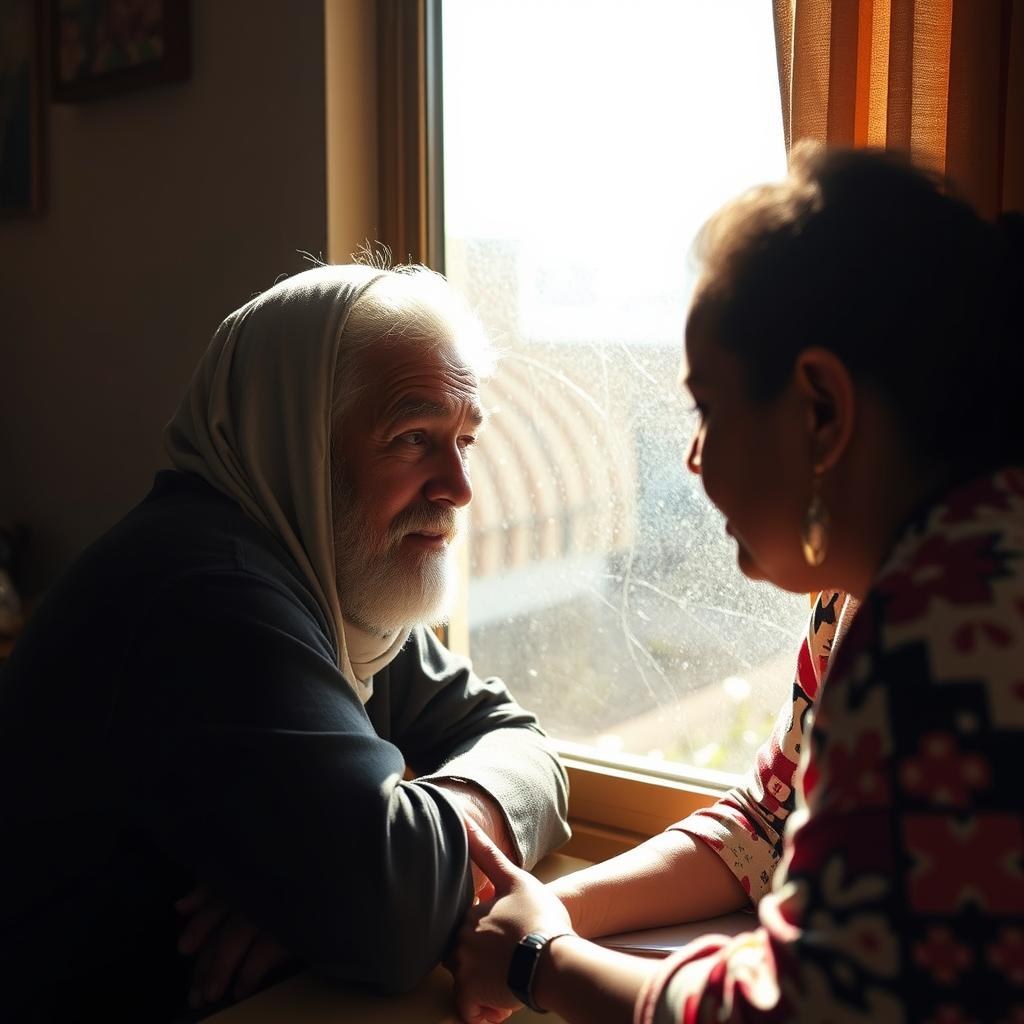
Jislaaik. You’re working hard to build a life, but are you secretly funding your parents’ and kids’ lives *at the same time*? You might be part of South Africa's rapidly growing 'sandwich generation'. It’s a situation more and more of us are finding ourselves in, and frankly, it’s exhausting. We’re talking about the folks juggling school fees, medical aid, and maybe even a bond, while *also* helping their folks with everything from chronic conditions to just keeping the lights on. This isn't just a vibe check; it's a full-blown crisis impacting health and finances.
## So, What *Is* This 'Sandwich Generation' Anyway?
Let’s get straight. The “sandwich generation” isn’t some new-age millennial thing. It’s adults – typically those in their late 30s to late 50s – squeezed between the financial and emotional demands of supporting both their children *and* their aging parents. It's about being pulled in multiple directions, constantly, and often without a lot of support. But here’s the thing: unlike in many other countries where families operate more independently, South African households often provide support across several generations as a matter of course. It’s just…how things are done here, bru.
## Why SA is Different: It Starts Earlier Here, Bru
Now, why is this hitting us harder and sooner than it does elsewhere? Lance Blumeris from Unu Health puts it perfectly: South Africans frequently start carrying these responsibilities much earlier than people in many other countries. And it’s not just a feeling. Our unique socio-economic circumstances are a massive contributor. Adult children remain financially dependent for longer due to high unemployment and the rising cost of living. Think about it – how many university grads are still relying on Mom and Dad for a bit of petrol money, even after getting a job? Then, on the other side, elderly parents are living longer, often with chronic health conditions needing ongoing care and financial assistance.
What makes South Africa different is that many households are *already* supporting extended family members. It’s not just parents and kids; it's often grandparents, aunts, uncles, cousins…the whole shebang. This places a particular strain on middle-income earners who “may earn too much to qualify for certain forms of assistance but not enough to comfortably absorb the rising costs of healthcare, education, housing and daily living expenses for multiple generations.” Jislaaik, that’s a tight spot.
## Your Bank Account is Screaming: The Financial Strain is Real
Let's talk money, because this is where it gets truly stressful. For those supporting multiple generations, healthcare often becomes another difficult balancing act. We're talking about caregivers making impossible choices between their own well-being and the needs of their families. People are delaying doctor visits, postponing screenings, skipping follow-up appointments, or avoiding seeking care altogether because they're focused on keeping everyone else afloat.
And preventative healthcare? Forget about it. In households where budgets are already stretched, it’s frequently one of the first expenses to be sacrificed. “People may choose to pay for a parent's medication or a child's medical needs while postponing their own check-up or treatment.” This is short-sighted, obviously. Preventative care is almost always more affordable than treating advanced illness, but when you're choosing between groceries and a check-up, tough calls have to be made.
## Beyond the Money: When Caring Becomes Crippling
It’s not just about the rands and cents, though. The emotional and physical toll is massive. People caring for multiple family members often become responsible for healthcare decisions across several generations, managing medications, coordinating appointments, providing emotional support – all while trying to maintain careers and households of their own. The irony, as Blumeris points out, is that caregivers frequently end up neglecting themselves.
And that neglect has serious consequences. Healthcare providers regularly see symptoms linked to chronic stress among caregivers: anxiety, depression, sleep disturbances, persistent fatigue, headaches, high blood pressure, and increased cardiovascular risks. "One of the biggest concerns is that caregivers often become patients themselves.” Think about it – you’re running on fumes, constantly stressed, and putting everyone else’s needs before your own. It’s a recipe for disaster.
## Warning Signs: Are You About to Burn Out?
Burnout doesn’t hit you like a lightning bolt. It creeps up. People become accustomed to functioning under pressure until physical or mental health symptoms become impossible to ignore. Look out for these: persistent exhaustion, poor sleep, irritability, headaches, digestive problems, and a constant sense of emotional overwhelm.
But it’s also about behavioural changes. Are you withdrawing socially? Relying more heavily on alcohol or other unhealthy coping mechanisms? Feeling constantly guilty whenever you try to take time for yourself? These are red flags, boet. You need to pay attention.
## Self-Care Isn't Selfish, It's Survival
Okay, so what do you do? The first step is recognising that self-care is not selfish; it is essential. If your health deteriorates, your ability to support the people who depend on you is also compromised. Small actions can have a big impact: regular health screenings, enough sleep, physical activity, and creating moments of personal downtime. Technology can help too – digital healthcare platforms are making it easier to access medical advice and manage healthcare needs.
More importantly, stop trying to do it all alone. “Whether it is involving siblings, extended family members, community networks or healthcare professionals, sharing the load is often one of the healthiest decisions a caregiver can make.” Don’t be afraid to ask for help.
## What Can Actually Be Done? (And Where's the Help?)
As South Africans live longer and economic pressures continue to mount, the number of people caught in this situation is only going to grow. Yet despite their critical role, the sandwich generation often receives little recognition or support. Blumeris believes both employers and the healthcare sector need to step up.
Look, the situation is grim. Being part of the sandwich generation in South Africa is a brutal combination of cultural expectation and economic reality. It’s a relentless cycle that demands a lot and gives little back.
**The verdict? It’s a crisis. And it’s one we need to start taking seriously.**
But if you're feeling the pressure, you're not alone. Recognize the signs, prioritize your health, and don't be afraid to ask for help. Your well-being matters.
Now, are you wondering how to future-proof your finances *despite* all this pressure? Click here to find out how to build a resilient investment portfolio, even when the world (and your family) feels like it’s conspiring against you.