outdoors
1
Argentina Just Unlocked a Wildlife Paradise – And It's Making Us Re-Think Our Own Game Reserves
July 02, 2026
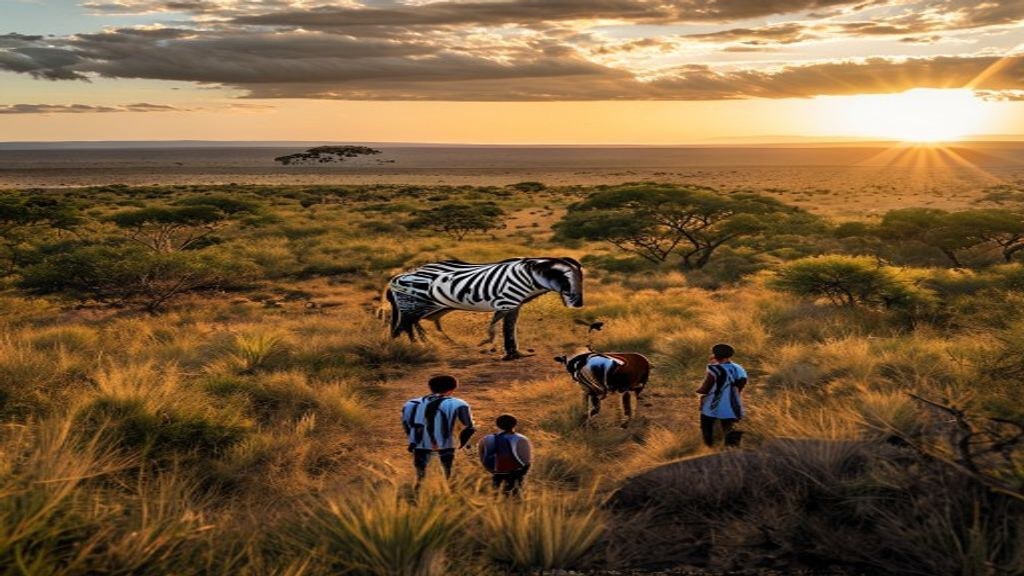
Forget Kruger – Argentina just opened a 1.5 million-acre wildlife sanctuary that was once considered completely inaccessible, and it’s a masterclass in conservation that makes our own efforts look a bit…kak. While we’re still battling load shedding and arguing about whether Bafana can actually qualify for anything, Argentina's quietly been building a wildlife paradise. It’s a serious wake-up call, bru.
## So, What Exactly *Is* Iberá?
Okay, let's get the lay of the land. Iberá, officially the Iberá Wetlands, is a sprawling wilderness in the northeast of Argentina, specifically in the province of Corrientes. We're talking 1.5 million acres – that’s bigger than the entire Pilanesberg National Park, and almost half the size of the Kruger. It’s a complex system of swamps, lagoons, and grasslands, teeming with biodiversity. Think Okavango Delta vibes, but with a distinctly South American twist.
It’s not just about the size, though. Iberá is a hotspot for incredible wildlife. It’s a place where you can find species you won't see anywhere else, and it’s a crucial habitat for a lot of endangered critters. It's a seriously lekker ecosystem.
## From Poaching Hotspot to Paradise: The Story Behind the Turnaround
Now, this wasn't always a postcard-perfect paradise. For decades, Iberá was a poaching hotspot. Iconic species were relentlessly hunted, almost to extinction. The situation was bleak. But a dedicated team, led by the organisation Tompkins Conservation, decided enough was enough.
Their approach wasn’t just about cracking down on poachers (although that was part of it). It was about working *with* the local communities. They realised that if the people living around Iberá didn’t benefit from its conservation, it would never truly succeed. They focused on reintroduction programs, bringing back species that had been wiped out, and creating sustainable tourism opportunities. It's a long game, and they’ve played it brilliantly.
## Jaguars, Capybaras, and Caiman, Oh My! What Animals Can You Actually See?
Alright, let's talk animals. Iberá is home to a seriously impressive roster. Forget just the Big Five, this place has a whole different level of wildlife weirdness and wonder. Here's a taste:
* **Jaguars:** Arguably the star of the show. Iberá is one of the best places in South America to see these elusive cats.
* **Capybaras:** These giant rodents are *everywhere*. Seriously, they’re like the hadedas of Argentina.
* **Caiman:** Both yacare caiman and spectacled caiman call Iberá home.
* **Giant Anteaters:** These bizarre, tongue-wagging creatures are a sight to behold.
* **Howler Monkeys:** Their calls echo through the wetlands, adding to the wild atmosphere.
* **Marsh Deer:** Graceful and elusive, these deer are perfectly adapted to the swampy terrain.
Think of a South African game drive, but swap the lions and elephants for jaguars and capybaras. It's a different vibe, but just as exhilarating.
## The 'Impenetrable' Part: How Did They Make It Accessible Without Destroying It?
Here’s where Argentina really shines. Iberá was notoriously difficult to access. It’s a vast, swampy wilderness, and getting around wasn’t easy. But they didn't just blast roads through the ecosystem. They focused on sustainable tourism infrastructure.
Think eco-lodges built with local materials, boat safaris that minimise disturbance to wildlife, and a commitment to low-impact travel. There's no befok concrete jungles here, thank goodness. They’ve created a tourism model that benefits both the environment and the local communities. It’s a far cry from some of the overdeveloped tourist traps we have here, like parts of the Durban beachfront.
## What Can South Africa Learn From Argentina’s Success?
Let’s be real, our conservation efforts aren’t always world-class. We’ve got poaching problems, underfunded parks, and a frustrating lack of community involvement in many areas. Argentina’s approach offers some serious lessons.
Their emphasis on community buy-in is crucial. If the people living around our game reserves don’t see the benefits of conservation, they’re less likely to support it. Long-term vision is another key takeaway. Iberá wasn’t fixed overnight. It took decades of dedicated work and a commitment to sustainability. We need to move beyond short-term fixes and focus on building a truly sustainable conservation model. It's time to stop just talking about conservation and actually *do* it, like our neighbours.
## Is It Worth the Airfare? A Quick Cost Breakdown
Okay, let's talk money. A trip to Iberá isn’t cheap, but it’s potentially worth it. Flights to Argentina from South Africa will set you back a pretty penny – expect to pay around US$1,500 - US$2,000 for a return ticket, depending on the time of year and airline. Accommodation ranges from rustic eco-lodges to more luxurious options. You can expect to pay around US$150 - US$500 per night. Activities, like boat safaris and guided walks, will add another US$50 - US$150 per day.
So, a week-long trip could easily cost you US$3,000 - US$6,000 or more. It's not a Takealot bargain, that’s for sure. But for a truly unique wildlife experience, it might just be worth the splurge.
## Beyond the Big Five: Why This Matters for SA Tourism
Iberá isn’t just about the animals; it’s a lesson in diversifying tourism. We’ve become too reliant on the “Big Five” model. While that’s still a draw for many tourists, we need to offer more. We need to showcase the unique biodiversity of our country, promote sustainable tourism practices, and create economic opportunities for local communities.
Argentina has shown us that it’s possible to build a thriving wildlife tourism industry that benefits both the environment and the people. It’s time for us to take notes and start thinking outside the box.
Argentina’s success with Iberá is a testament to the power of long-term vision, community involvement, and a genuine commitment to conservation. It's a masterclass in how to turn a degraded ecosystem into a thriving wildlife paradise. It's a serious wake-up call for South Africa.
So, if Argentina can pull this off, why are we still struggling to protect our own natural heritage? And more importantly, could we see a similar transformation in another neglected corner of South Africa?