cars
2
Chery's Playing for Keeps: Is This the End of SA's Car Status Quo?
July 04, 2026
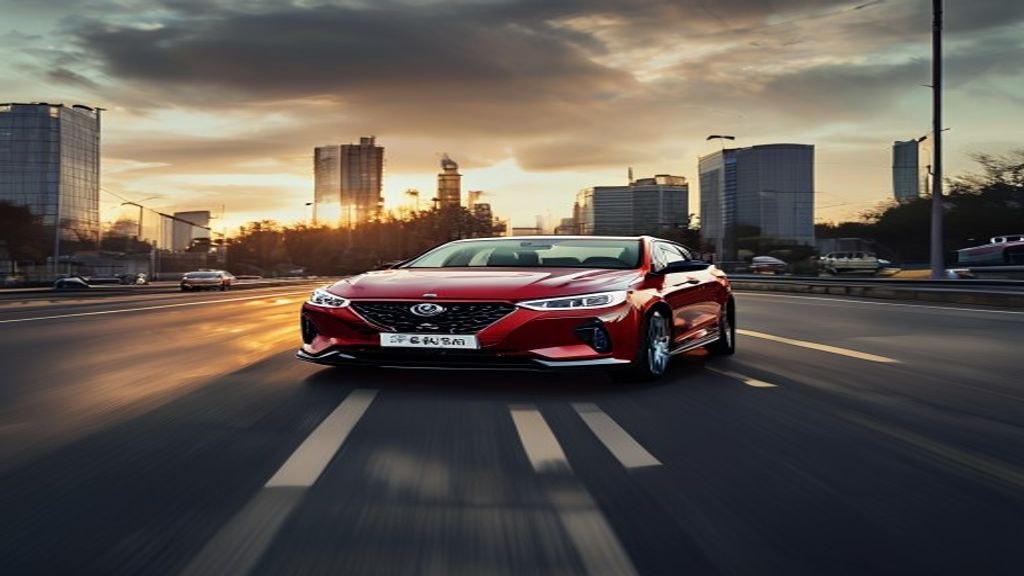
Forget everything you thought you knew about ‘Chinese cars’ – Chery isn't here to sell you cheap thrills, they're building a R1.5 billion factory in Rosslyn and aiming straight for the heart of Toyota and Ford. Jislaaik. This isn’t just about a new player in the showroom, bru. This is about potentially rewriting the rules of the game for the entire South African automotive industry. We’re talking jobs, disposable income, and a serious shake-up for the status quo. Let’s unpack this, because it’s bigger than just another car on the road.
## From Importer to Investor: What's Actually Going On?
So, what’s the story? Chery Auto South Africa is making a serious move. They’re not just shipping cars in anymore; they’re planting a flag – a R1.5 billion flag, to be exact – right here in Rosslyn, Pretoria. This isn't some half-baked operation either. It's a full-blown manufacturing plant. They're going from being the guys you *maybe* considered if you were on a tight budget, to a legitimate local producer.
This investment isn’t just about building cars; it’s a statement. It says Chery is in this for the long haul. They’re betting on South Africa, despite all the kak we deal with – load shedding, economic uncertainty, the usual. They're clearly thinking beyond just selling a few Tigos and Arrizo models. It’s a long-term strategy, and it’s one that could seriously disrupt the established players.
## So, What Does This Mean for Your Next Car?
Okay, let's get down to brass tacks. Will this translate to cheaper cars for us, the average boet looking for a reliable ride? Potentially, yes. Local production *should* cut down on import duties and shipping costs. But don’t expect a massive overnight price drop.
The competition is already feeling the heat. Toyota, VW, Ford – these guys aren’t going to sit back and watch their market share evaporate. Expect them to respond with promotions, new models, and maybe even some price adjustments. We’re likely to see a price war brewing, and that’s good news for consumers. Imagine walking into Checkers with more Rands in your pocket after buying a new car – now *that's* a lekker feeling.
## The Job Market: Will This Create Befok Opportunities?
Beyond the potential for cheaper cars, the Rosslyn plant promises job creation. But let’s be real, we’ve heard these promises before. The question is, will these be *genuine* opportunities for South Africans?
The details are still a bit sketchy, but Chery is talking about creating jobs in manufacturing, logistics, and related industries. The real test will be whether these jobs require skills that South Africans actually possess, or if they end up importing skilled labour. We need to see proper skills development programs to ensure that local communities benefit from this investment. This isn't just about numbers; it's about empowering people.
## Quality Control: Can Chery Actually Deliver?
Let's address the elephant in the room. There’s a perception problem with ‘Chinese cars’. Historically, they haven't been known for their build quality or reliability. But things are changing, and Chery is trying to overcome these perceptions with local manufacturing and rigorous quality assurance.
Building the cars *here* means they’re subject to South African standards and regulations. It also allows them to respond more quickly to customer feedback and address any quality issues. It’s a step in the right direction, but they’ll need to consistently deliver a product that meets expectations to win over skeptical buyers. This isn’t just about building a car; it's about building trust.
## The Bigger Picture: What Does This Mean for SA's Auto Industry?
This isn’t just about Chery. It's about the future of automotive manufacturing in South Africa. For years, we’ve relied on established manufacturers like Ford and VW. Now, we’re seeing new players like Chery challenging that dominance.
This competition could force the entire industry to innovate and become more efficient. It could also lead to increased investment in local manufacturing and job creation. But it also raises questions about government policy and the need to create a supportive environment for automotive investment. The stakes are high, and the outcome could shape the future of the South African economy.
## Nando's vs. Checkers: Who Benefits Most From This?
Okay, maybe not *literally*. But think about it. If more people can afford cars, they have more disposable income. That means more money being spent at places like Checkers for groceries, and maybe even a cheeky Nando’s after picking up the family.
The automotive industry has a ripple effect throughout the economy. It supports a vast network of suppliers, retailers, and service providers. A thriving automotive sector means more jobs, more investment, and more economic growth. It’s a win-win for everyone… potentially.
## Is This a Win for Bafana… or Just Another Empty Promise?
Look, let’s be real. South Africa has seen its fair share of empty promises over the years. But Chery’s R1.5 billion investment is a concrete commitment. They’re putting their money where their mouth is.
However, this isn’t a guaranteed home run. There are still challenges ahead – skills development, quality control, and navigating the complexities of the South African business environment. But if Chery can overcome these challenges, it could be a genuine game-changer for the automotive industry and the South African economy.
**Verdict:** Chery’s move is a calculated gamble, and right now, it looks like a smart one. They’re disrupting the status quo, challenging the established players, and potentially creating a more competitive automotive market. It’s a win for consumers, a potential win for the economy, and a clear signal that South Africa is still an attractive investment destination. But they need to deliver on their promises, and consistently produce quality vehicles.
Now, the big question is: will this influx of new manufacturers force the government to finally address the load shedding crisis, or will we be driving befok cars in the dark? Click here to find out what the experts are saying about the future of energy in South Africa.