cars
3
F1 Cars Made of LEGO?! Jislaaik, This is Next Level!
Alpha South Editorial Team
July 04, 2026
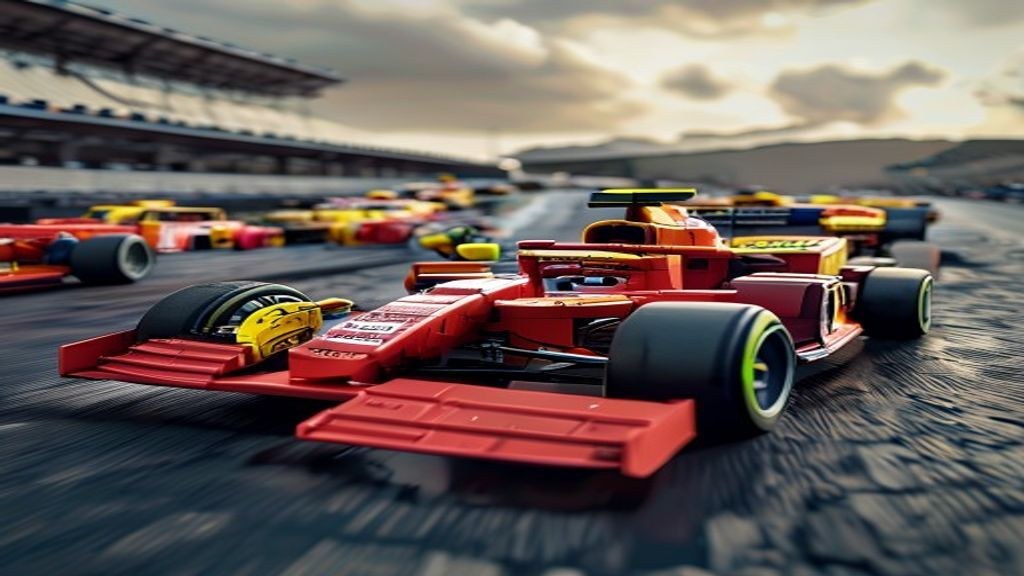
Forget your fancy Ferraris and McLarens, bru – the F1 grid is about to get invaded by 22, 617-pound Lego cars going 15.5 mph. Seriously. This isn’t some kak dream; it’s the latest stunt from the partnership between Formula 1 and LEGO, and it's about to blow Silverstone’s Drivers’ Parade wide open. It's a move that's got me thinking: are these guys just having a jol, or is there actual marketing brilliance at play here?
## From 400,000 Bricks to 28,000: What Changed?
Last year’s Miami GP parade was… ambitious. We’re talking about almost 1:1 scale Lego F1 cars, each requiring around 400,000 Lego pieces. Each of those behemoths weighed in at 3306 pounds, with around 2204 pounds of that being actual Lego bricks. They were crawling along at 12.5 mph. This year? Things are different. They’ve downsized, boet.
The 2026 minicars are built with 28,000 pieces each and weigh around 617 pounds, with 143 pounds of that being Lego. They've ditched some of the bulk for speed, bumping things up to a blazing 15.5 mph. It’s like comparing a bakkie to a go-kart. It’s a clever move. Less weight, more maneuverability, and potentially, more lekker crashes.
## So, What Was the Kak With Last Year's Parade?
The 2025 Miami GP Drivers’ Parade was… a vibe. LEGO themselves called it “a lap of chaos, childlike joy, and laughter.” But let’s be real, it was also a logistical nightmare. Ten drivable Lego cars, 20 drivers sharing, trying to navigate a track – it was always going to be a bit befok.
Imagine trying to get those massive builds around the track, coordinating the drivers, and hoping nobody binned it into Turn 1. It was a spectacle, sure, but also a bit of a controlled mess. The upside? It went viral. The LEGO Group released a 48-minute video about it. It got people talking. And that, my friend, is worth its weight in gold.
## Silverstone 2026: Expect Double the Trouble (and the Fun)
This year, they’re doubling down. Twenty-two cars, one for each driver. No more sharing. Each driver gets their own Lego chariot. This is where things get interesting. More cars mean more opportunities for… incidents. More overtaking. More potential for absolute chaos.
The smaller size and increased speed will also play a role. These aren’t lumbering giants anymore; they’re nimble little machines. Expect to see drivers actually *racing* each other, trying to get the best position before the real race even starts. I’m putting money on at least one spin, and probably a few near misses. It’s going to be a jol to watch.
## LEGO & F1: A Partnership That’s Been Building for Decades
This isn’t some fly-by-night collaboration. LEGO and Formula 1 have been working together since 1998. That’s over 26 years of building a relationship, literally and figuratively. It started with model kits and has evolved into everything from full-size brick-built trophies (like the Royal Automobile Club replicas at last year's Silverstone race) to the insane drivable cars we’re seeing now.
It’s a smart partnership. LEGO gets exposure to a massive, global audience, and Formula 1 gets a dose of playful energy. It’s a win-win, and it’s a testament to the power of long-term brand building.
## Beyond the Parade: What Does This Mean for the Brand?
Let’s talk money. LEGO offers F1 model kits ranging from $12 McLaren race cars to more complex Technics models costing around $220–$230. They also released minifig-sized Speed Champions F1 car model kits for all 10 teams last year. This isn’t just about a fun parade; it's about driving sales.
Think about it: a kid watches the parade, gets excited about F1 and LEGO, and then begs their parents for the $230 Technics model. That’s marketing 101, bru. It's a clever way to tap into the passionate F1 fanbase and convert that passion into profit. And let’s be honest, who *doesn't* love LEGO? Even I, a seasoned braai master, have a soft spot for a well-built set.
## Is This Just a Rich People's Toy Show?
Okay, let’s be real. F1 isn’t cheap. LEGO isn’t cheap. And a $230 Technics model is definitely not within reach for everyone. This whole spectacle feels a bit… exclusive. It reinforces the perception of F1 as a sport for the wealthy, and LEGO as a luxury toy.
While it’s a brilliant marketing move, it’s important to acknowledge that it’s not particularly accessible. It's a bit like sipping a R800 bottle of wine at a Sandton rooftop bar – lekker if you can afford it, but a bit tone-deaf if you’re trying to connect with the average South African.
## The Future of LEGO & Motorsport: What’s Next?
Where does this partnership go from here? Electric LEGO cars? LEGO esports? A full-scale Lego Grand Prix? The possibilities are endless. Imagine a virtual racing league where drivers compete using LEGO-built cars. Or a LEGO-themed F1 track in a theme park.
I’m betting we’ll see more integration of technology, more interactive experiences, and more opportunities for fans to get involved. They've already built a solid foundation, and I suspect they're just getting started.
**Verdict:** This LEGO and F1 partnership is pure marketing genius. It’s fun, it’s engaging, and it’s driving sales. The increased scale of the Silverstone parade promises even more chaos and excitement, and the long-term potential of this collaboration is massive. While it's a bit on the pricey side, the brand exposure and positive buzz are worth their weight in Lego bricks.
But here's the real question: with LEGO now dominating the F1 paddock, will we see a full-scale, brick-built biltong and braai station at the next race? Now *that* would be a sight to behold. Click here to find out which F1 driver has the most impressive LEGO collection.
Based on reporting by
https://www.caranddriver.com/news/a71818864/f1-silverstone-race-drivable-lego-cars/