news
2
Chery Just Dropped a Bomb on SA Car Prices – Is Your Bakkie Next?
July 05, 2026
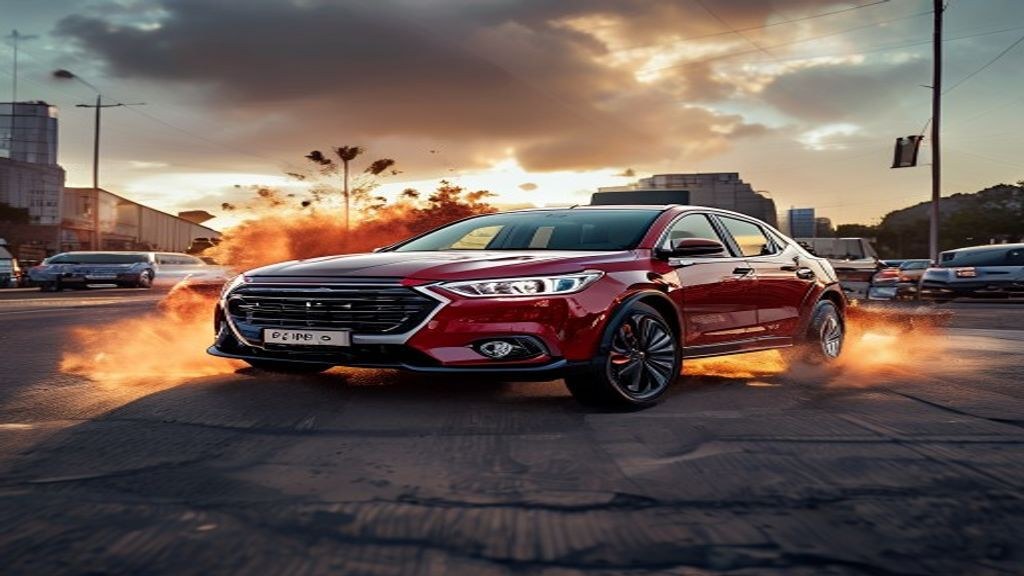
Forget everything you thought you knew about Chinese cars – Chery’s R1.5 billion investment in South Africa isn’t about cheap thrills, it’s a full-scale assault on the bakkie and SUV market, and it's happening *now*. This isn’t your grandad’s Geely, bru. This is a serious play for a slice of the pie, and it’s got the big boys in Sandton seriously sweating. We're talking about a potential shift in the entire automotive landscape, and your next vehicle purchase could be directly impacted.
## So, What Exactly Did Chery Just Buy?
Chery’s move involves taking full ownership of the former Delta Motor Corporation plant in Rosslyn, Pretoria. Now, for those who don’t remember, Delta was a big deal back in the day, assembling everything from GM to Opel vehicles. It's a sizeable facility, and acquiring it gives Chery a proper foothold – not just a little assembly shop tucked away in an industrial park. This isn't just about sticking a few parts together; it’s about establishing a long-term manufacturing base right here on SA soil. Think about it: less reliance on shipping costs, quicker turnaround times, and a commitment to the local economy. It's a strategic win, jislaaik.
## R1.5 Billion Isn't Pocket Change – What's Chery Planning?
R1.5 billion. Let that sink in. That's more than some small towns’ entire annual budgets. But what are they *doing* with all that dosh? It's not just about churning out more Tiggo 4 Pros, although those are selling like hotcakes at Takealot. Chery is aiming for a full-scale production hub. While the source doesn’t break down specific model allocations, the investment size screams ambition. They're not messing around. This isn’t a test balloon; it's a calculated move to establish Chery as a major player in the South African automotive market. We can expect a broader range of vehicles to be manufactured locally, potentially including bakkies and larger SUVs – the very segments where the competition is fiercest.
## The Big Players Are Shaking in Their Boots – Who's Most Threatened?
Toyota, Ford, VW – these are the kings of the South African road. They’ve built their empires on bakkies like the Hilux and SUVs like the Ranger. And they’re looking over their shoulders right now. Chery isn’t coming for the bottom end of the market; they’re aiming straight for the heart of these established players. While the source doesn’t give us a head-to-head competitive analysis, it’s clear that Chery's investment is a direct challenge to the status quo. The Hilux and Ranger have had a lekker run, but a new contender with deep pockets and a long-term vision is about to shake things up. Even premium brands like BMW and Mercedes-Benz should be paying attention. A competitive market benefits the consumer, and that’s a good thing.
## Will This Actually Mean Cheaper Cars for Us?
Okay, let's get to the point. Will local production translate to lower prices? The marketing departments will tell you "yes," but let's be real. The source doesn’t offer a clear answer, and frankly, it’s complicated. Load shedding, import duties, and the overall economic climate all play a role. However, increased local production *should* lead to some cost savings, which *could* be passed on to consumers. Don't expect massive discounts overnight, but a more competitive price point is definitely on the cards. Chery’s move forces the other manufacturers to re-evaluate their pricing strategies, and that's a win for the average South African trying to navigate the monthly budget.
## Beyond Price: What About Quality & Reliability?
This is the big question, isn’t it? For years, “Chinese car” was practically a synonym for “potential headache.” But things are changing. The source doesn’t address quality concerns directly, which is a bit of a dodge. However, a R1.5 billion investment suggests Chery is serious about building a reputable brand. They’re not going to achieve that with kak build quality. We'll have to wait and see how their vehicles perform in the long run, but the initial reports on models like the Tiggo 8 Pro Max are encouraging. The real test will be how they handle warranty claims and after-sales service – something many brands, even established ones, struggle with in SA.
## Load Shedding & Local Manufacturing – A Recipe for Disaster or Opportunity?
Eish. Load shedding. The bane of our existence. It’s a legitimate concern for any manufacturer setting up shop in South Africa. The source doesn’t delve into this, but it's a critical factor. Chery will need to invest heavily in backup power solutions – generators, solar power, the works – to keep production running smoothly. It’s an added cost, for sure, but it’s also an opportunity to demonstrate their commitment to the South African market. Successfully navigating the energy crisis will be a major test of their operational capabilities. It's going to be befok, no doubt, but not insurmountable.
## What Does This Mean for the Second-Hand Market?
A flood of new Cherys on the road *will* impact the second-hand market, but the extent of that impact remains to be seen. More supply generally means lower prices, but demand also plays a crucial role. If Chery manages to build a strong brand reputation, their vehicles will hold their value reasonably well. However, a sudden influx of new vehicles could put downward pressure on the prices of similar models from other manufacturers. Keep an eye on the market, bru. It's going to be interesting to watch how this unfolds.
**Verdict:** Chery’s R1.5 billion investment is a game-changer for the South African automotive industry. It’s a bold move that will force the established players to up their game, and ultimately, benefit the consumer. While questions remain about quality and the impact of load shedding, the potential for more competitive pricing and a wider range of vehicle options is undeniable. Chery is here to stay, and they’re not messing around.
Now, are we about to see a full-blown price war erupt in the South African bakkie market? Click here to find out what the experts are predicting for 2024 and beyond.