news
4
Nigeria's Fury: Are We Losing the Plot (and Tourists) in SA?
July 06, 2026
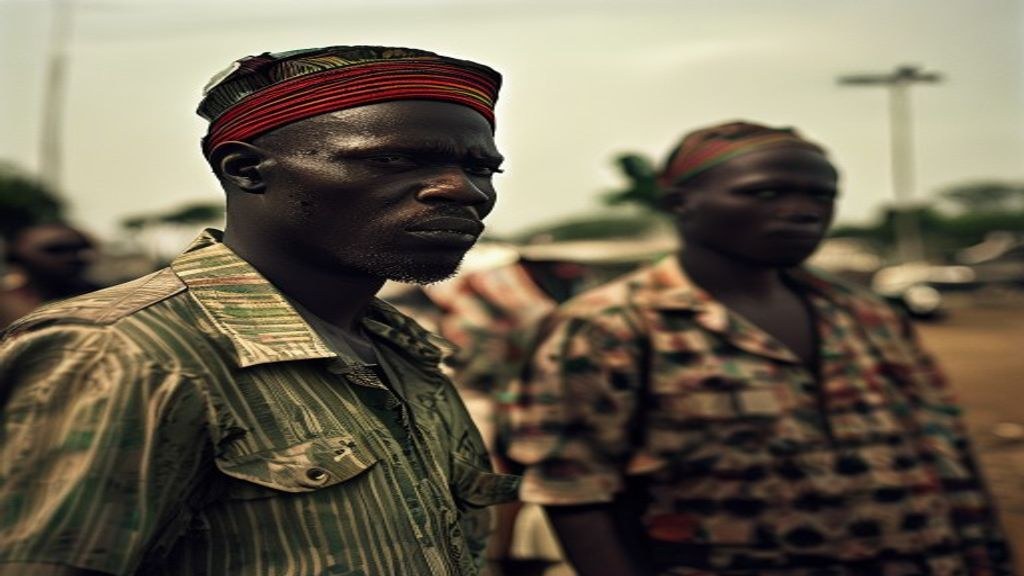
Two Nigerian nationals reportedly killed here, and now Abuja's threatening retaliation – is this the start of a diplomatic kakstorm that'll hit our pockets? Eish, this is not lekker. We’ve seen this movie before, and the sequel is rarely good for anyone, especially not the Rand. It’s beyond frustrating – we’re talking potential trade wars, tourism drying up, and a serious dent in our international reputation. Let’s unpack this mess, because pretending it’s not happening won’t make load shedding any easier to bear.
## So, What Actually Happened?: A Breakdown of the Facts (as Much as They’re Available)
Okay, so details are sketchy, as they often are in these situations, and the media is full of noise. But here's what we know, or rather, what’s been reported. Recent incidents have led to the deaths of two Nigerian nationals in South Africa. The circumstances surrounding these deaths are, understandably, under investigation. Initial police responses, from what’s been released, are focused on investigating the incidents as isolated criminal acts. But bru, let's be real. "Isolated incidents" start to look like a pattern when this keeps happening. The police are, as always, trying to manage a situation that’s spiralling faster than a bakkie down Chapman's Peak.
## Nigeria's Response: All Talk or Real Action?
Abuja isn't taking this lying down, and frankly, they shouldn’t be. Their official statement is strong, condemning the killings and raising concerns about the safety of Nigerian citizens in South Africa. But what are they *actually* threatening? Well, the rhetoric is heated. We’re hearing talk of potential retaliatory measures, including trade sanctions and even travel bans. Now, Nigeria is a massive market – a US$472.6 billion economy (as of 2022, according to their National Bureau of Statistics) – so any disruption to trade could sting. Whether it's all bluster or a genuine threat, we need to take it seriously. This isn’t some small-time spat; it’s a major African power flexing its muscles.
## The Economic Fallout: Will This Hurt Our Wallets?
This is where it gets real, boet. Nigeria is a significant trading partner for South Africa. Companies like MTN have a huge presence there, and Shoprite has invested heavily in the Nigerian market. Any strain in relations could seriously impact these businesses. MTN, for example, reported a subscriber base of over 72 million in Nigeria as of December 2023. A disruption to their operations would be felt, and not just in MTN's bottom line. Think about the jobs, the investment, the ripple effect throughout the economy. It’s not just about the big corporations either. Smaller businesses involved in exports to Nigeria could also suffer. This could affect everything from our wine exports to the demand for biltong from Nigerians living here.
## Xenophobia & The Root of the Problem: Why Are We Still Here?
Let’s be honest with ourselves, bru. This isn’t a new story. This has been happening for years. The underlying issue is xenophobia, fuelled by complex socio-economic factors. High unemployment, inequality, and a lack of opportunity create a breeding ground for resentment and scapegoating. Successive governments have struggled to address these root causes, and the result is a cycle of violence and mistrust. It’s uncomfortable to talk about, but it's crucial. We need to acknowledge the problem before we can even begin to fix it. Pretending it’s just a few bad apples isn’t going to cut it. It’s a systemic issue, and it requires a systemic solution. It's kak, plain and simple.
## Tourism Takes a Knock? What This Means for the Rand
Tourism is a massive contributor to our GDP. And let’s face it, negative headlines like these don’t exactly encourage people to book a flight to Cape Town or Durban. If Nigerian tourists – and others – decide to stay away, it will have a knock-on effect on the Rand. A decrease in foreign currency inflow puts downward pressure on our currency, making imports more expensive and exacerbating inflation. It’s a vicious cycle. Imagine the impact on hotels, restaurants, tour operators, and all the businesses that rely on tourism. This isn’t just about the numbers; it’s about livelihoods. A drop in tourism would be another blow to an already struggling economy.
## What's the Government Actually Doing About It?
Beyond the press releases and diplomatic statements, what concrete steps are being taken? Honestly, it’s hard to say. The government has condemned the killings and promised to investigate, but that’s pretty standard fare. There’s talk of strengthening security measures and improving communication with the Nigerian government, but we need to see action, not just words. Are they addressing the underlying socio-economic factors that fuel xenophobia? Are they providing adequate support to communities affected by violence? Are they holding perpetrators accountable? These are the questions we need to be asking. The response feels… insufficient.
## Beyond the Headlines: Where Do We Go From Here?
This isn't just about politics; it's about people. It’s about building a South Africa where everyone feels safe and valued, regardless of where they come from. We need community-level initiatives to promote tolerance and understanding. We need stronger diplomatic ties with Nigeria, based on mutual respect and cooperation. And we need a government that is serious about addressing the root causes of xenophobia. This requires a long-term commitment, a willingness to confront uncomfortable truths, and a genuine desire to build a more inclusive society. It’s a massive challenge, but it’s one we can’t afford to ignore.
This situation is a wake-up call. We’re playing with fire, and the consequences could be severe. It’s time to stop paying lip service to the problem and start taking real action. The future of our economy, our reputation, and our society depends on it.
So, is South Africa losing the plot, and potentially, tourists? The signs are worrying. But it's not too late to turn things around.
Now, speaking of things going wrong… are we heading for another year of crippling load shedding? Click here to find out how to prepare your home and business for the inevitable.