tech
1
Safe Black Friday Shopping Guide South Africa - ESET
June 13, 2026
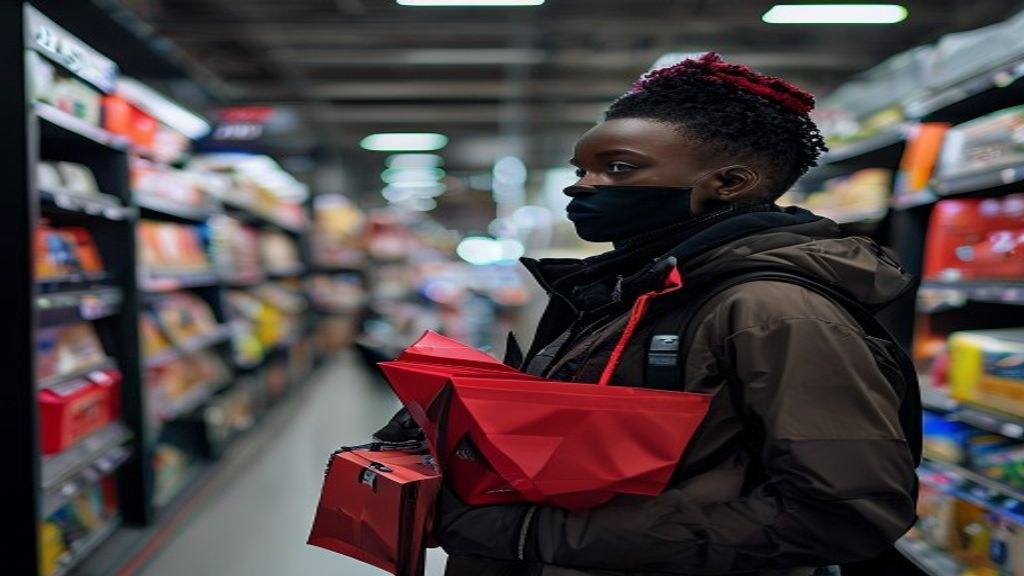
Last year, South Africans lost an estimated R1.8 billion to online fraud – and Black Friday is when the skelms REALLY come out to play. We’re talking about more than just a few dodgy transactions; that’s enough to buy every PSL player a new BMW, and then some. This November, the deals are going to be lekker, but so will the digital thieves. This isn’t just about avoiding websites that look like they were built in 1998; it’s about understanding *how* they’re trying to get to you.
## So, What's the Real Risk? (It's Worse Than You Think)
Look, we all love a bargain. A new 4K TV for the price of a decent braai? Yes, please. But that craving for a steal makes you a target. Cybercriminals are sharpening their claws specifically for Black Friday. The problem isn't just the amount of money lost – R1.8 billion is a serious dent – but the *types* of attacks. We're seeing a surge in phishing scams designed to look like legitimate retailers, malware hidden in seemingly harmless downloads, and straight-up account takeovers.
The goal? To get your bank details, your login credentials, or both. They're not just after a quick R500; they're looking for your entire Christmas bonus, bru. And they're getting better at it. These aren’t the Nigerian prince emails of yesteryear. They're sophisticated, targeted, and designed to exploit your trust.
## Phishing 101: Spotting the Bait (Before You Bite)
Phishing is the oldest trick in the book, but it still works because people aren't paying attention. Think of it like Bafana Bafana defending a penalty kick: you need to be ready for anything. These scams come via email and SMS, pretending to be from Takealot, Checkers, even your bank.
Here’s what to look for:
* **Dodgy Links:** If a link looks weird – a long string of random characters, a misspelled domain name – DO NOT CLICK IT. Hover over it (on a desktop) to see where it *actually* leads.
* **Spelling and Grammar Errors:** Legitimate companies have proofreaders. Scammers usually don't.
* **Urgent Requests:** "Your account will be locked if you don't update your details *immediately*!" That's a classic pressure tactic.
* **Generic Greetings:** “Dear Customer” instead of your name? Red flag.
If something feels off, it probably is. Trust your gut. And for the love of all that is holy, don’t enter your banking details on a website you reached by clicking a link in an email.
## Is That Website Legit? (Don't Trust Everything You See)
Okay, you’ve avoided the phishing emails. Now you’re on a website promising a 70% discount on a new PlayStation 5. But is it legit?
Here's how to check:
* **HTTPS:** Look for "https://" at the beginning of the website address and a padlock icon in your browser's address bar. This means the connection is encrypted and your data is (relatively) safe.
* **Contact Details:** A legitimate business will have a physical address, a phone number, and an email address. If all you can find is a contact form, be wary.
* **Website Reputation Tools:** Google the website name + "reviews" or use a site like Whois to check the domain registration information.
* **Stick to the Big Guys:** Let’s be real. Takealot and Checkers aren't perfect, but they have a reputation to protect and the resources to invest in security. They're generally safer bets than some random website you found on Facebook promising a deal that's too good to be true.
## Your Password is Your First Line of Defence (Stop Using 'password123')
Your password is like the front door to your digital life. Don’t leave it unlocked! Stop using "password123", your birthday, or your pet’s name. Seriously.
Here’s the deal:
* **Strong Passwords:** Use a combination of uppercase and lowercase letters, numbers, and symbols. The longer, the better.
* **Unique Passwords:** Don't reuse passwords across multiple websites. If one site gets hacked, all your accounts are at risk. It’s like leaving your car unlocked in Sandton – just asking for trouble.
* **Password Manager:** Use a password manager (like LastPass or Bitwarden) to generate and store strong, unique passwords for all your accounts.
* **Multi-Factor Authentication (MFA):** Enable MFA whenever possible. This adds an extra layer of security, requiring a code from your phone in addition to your password. Just do it.
## Public Wi-Fi & Black Friday: A Recipe for Disaster?
That free Wi-Fi at Nando’s is tempting, but using public Wi-Fi for online shopping is a bad idea. Hackers can intercept your data on unsecured networks. It's like shouting your credit card details across the Durban beachfront.
Protect yourself:
* **Use a VPN:** A Virtual Private Network (VPN) encrypts your internet traffic, making it harder for hackers to intercept.
* **Use Mobile Data:** If possible, use your mobile data instead of public Wi-Fi.
* **Avoid Sensitive Transactions:** Don’t enter your credit card details or login credentials on public Wi-Fi.
## What if You *Do* Get Scammed? (Don't Befok, Here's What To Do)
Okay, you clicked a dodgy link. You entered your details. You’re panicking. Don’t befok. Here's what to do:
* **Contact Your Bank Immediately:** Report the fraud to your bank and cancel your credit card.
* **Open a Case with the Police:** File a police report.
* **Report to the Relevant Authorities:** Report the scam to the Cybercrime and Forensic Services unit of the South African Police Service.
* **Change Your Passwords:** Change your passwords for all your online accounts.
## ESET's Black Friday Survival Kit: Tools to Keep You Safe
Protecting yourself online isn’t just about being careful; it’s about having the right tools. ESET offers a range of cybersecurity solutions designed to protect your devices and data. While we can't recommend specific products without diving deeper into your needs, consider investing in a reputable antivirus software and a firewall to add an extra layer of security.
Look, Black Friday is a hunting ground. The deals are there, but so are the dangers. Be vigilant, be skeptical, and don't let the promise of a bargain blind you to the risks. If something seems too good to be true, it probably is.
So, are you ready to navigate the Black Friday chaos without getting fleeced? Or are you going to be the next statistic in the R1.8 billion fraud tally?
Now, want to know how to build a proper braai setup for when you’re chilling after surviving the Black Friday madness? Click here to find out!