news
2
Jazz icon Abdullah Ibrahim has died - Business Day
June 16, 2026
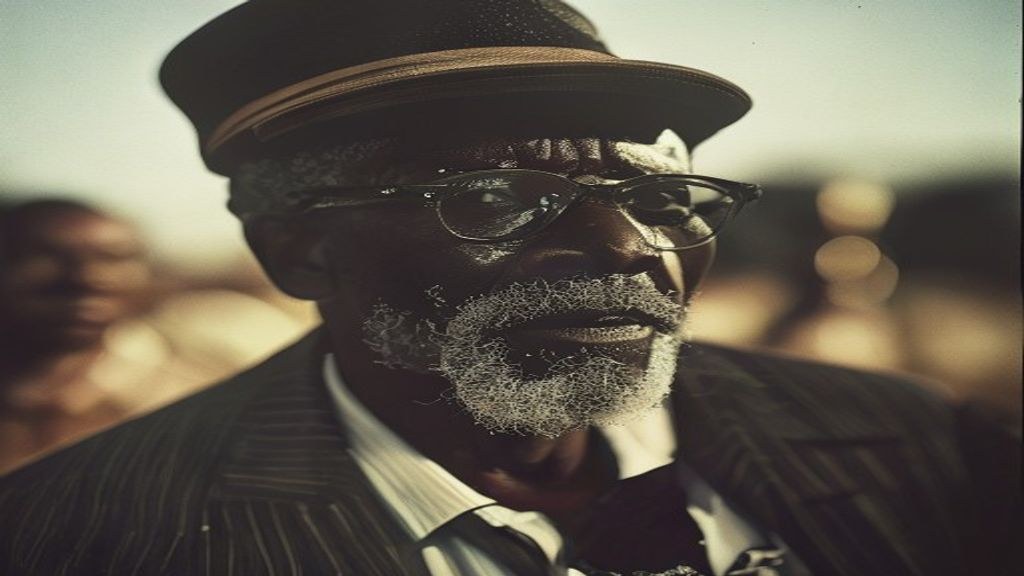
Forget the Springboks winning the World Cup – for a generation of South Africans, Abdullah Ibrahim *was* the sound of liberation, and now that sound is tragically silent. Eish. This isn't just a loss for the jazz world, bru, it's a gut punch to the soul of this country. We’re talking about a musician who, for many, embodied the hope of a future free from apartheid.
## From Cape Town Streets to Global Stages: A Life in Music
Dollar Ibrahim – that’s what many called him – wasn’t born into privilege. He started out playing the piano in Cape Town clubs, soaking up the sounds of everything from American jazz to traditional Cape music. He was a self-taught musician, honing his skills on the streets and in smoky venues. This wasn’t some ivory tower academic; this was a boet who *lived* the music. He left South Africa during apartheid, a decision many of us can only imagine the weight of, seeking artistic freedom and a platform to voice his opposition to the regime. It’s a testament to his talent that he could even *get* a platform, considering the kak state of things back then.
## Exile and Evolution: How Apartheid Forged a Musical Revolutionary
Exile wasn’t easy, but it was transformative. Ibrahim didn't just disappear; he thrived. He spent years in Europe and the US, collaborating with some of the biggest names in jazz. He even worked with Duke Ellington – *Duke Ellington*, jislaaik! – and that collaboration clearly shaped his sound. It wasn’t just about mimicking the greats, though. He took those influences and forged something entirely new, something distinctly South African, something that spoke to the struggle and the hope of his people. He wasn't just playing notes; he was telling a story. It's the kind of musical evolution you don’t see every day.
## ‘Mannenberg’: The Anthem of a Nation’s Hope – And Why It Still Slaps
Let's be real: if you grew up in South Africa, you know ‘Mannenberg’. It's practically baked into our DNA. Released in 1974, it became an instant anthem, a symbol of resistance and a celebration of Cape Town’s District Six, a community brutally displaced by the apartheid government. The tune is instantly recognisable, even if you don't know the history. It's the kind of song you hear at a braai, in a taxi, or even blasting from someone’s car in Sandton, and it just *feels* right. It's a reminder of where we’ve been, and a testament to the resilience of the human spirit. Seriously, try to find a South African who *doesn't* feel something when they hear those opening chords. Good luck with that.
## Beyond the Piano: Ibrahim’s Fight for Artistic Freedom
Ibrahim wasn’t just a musician; he was an activist. He used his music as a weapon against apartheid, speaking out against injustice and oppression through his compositions and performances. He understood the power of art to challenge the status quo, to inspire hope, and to unite people. This wasn't a case of a musician staying silent for a paycheck; this was a man who risked everything to stand up for what he believed in. It’s a powerful reminder that artists have a responsibility to use their voices, especially when things are befok.
## The Return and the Recognition: A National Treasure Returns Home
The end of apartheid meant Ibrahim could finally return home. And when he did, he wasn't just welcomed back; he was celebrated as a national treasure. He received numerous awards and accolades, including the Order of Ikhamanga, one of South Africa’s highest honours. He continued to perform and compose, inspiring a new generation of musicians. It was a full-circle moment, a testament to his unwavering commitment to his country and his art. Seeing him back on stage, playing for a free South Africa, must have been something special.
## What Ibrahim’s Legacy Means for the Future of SA Jazz
The question now is: what happens next? How do we ensure that Ibrahim’s legacy continues to inspire and influence future generations of South African jazz musicians? We need to invest in music education, support local artists, and create platforms for them to showcase their talent. We need to remember that jazz isn’t just a genre; it’s a vital part of our cultural heritage. And we need to make sure that young musicians have the resources they need to carry the torch. It’s on us to keep the music alive.
## So, What’s the Kak About Not Supporting Our Own?
Look, we’re good at hyping up international artists – lining up for Beyoncé tickets, streaming Drake until our data runs out. But how often do we actually *support* the incredible talent we have right here in South Africa? Too often, bru, our own artists are overlooked, undervalued, and underfunded. We need to change that. We need to fill up the jazz clubs, buy the albums, and promote the music of our local musicians. Because if we don't, we risk losing a vital part of our cultural identity. It's not just about supporting the artists; it's about supporting ourselves. It’s about preserving our story. It's about ensuring that the sound of liberation continues to resonate for generations to come.
Abdullah Ibrahim’s music wasn’t just about notes and rhythms; it was about hope, resilience, and the unwavering spirit of a nation. He was a legend, a pioneer, and a true South African icon. His loss is deeply felt, but his music will live on.
But with so much incredible local talent struggling to be heard, are we doing enough to champion the next generation of South African jazz maestros?