cars
1
Lexus Just Ditched the LS & Now This ES Wants To Be Your New Boss… For R800k?
June 17, 2026
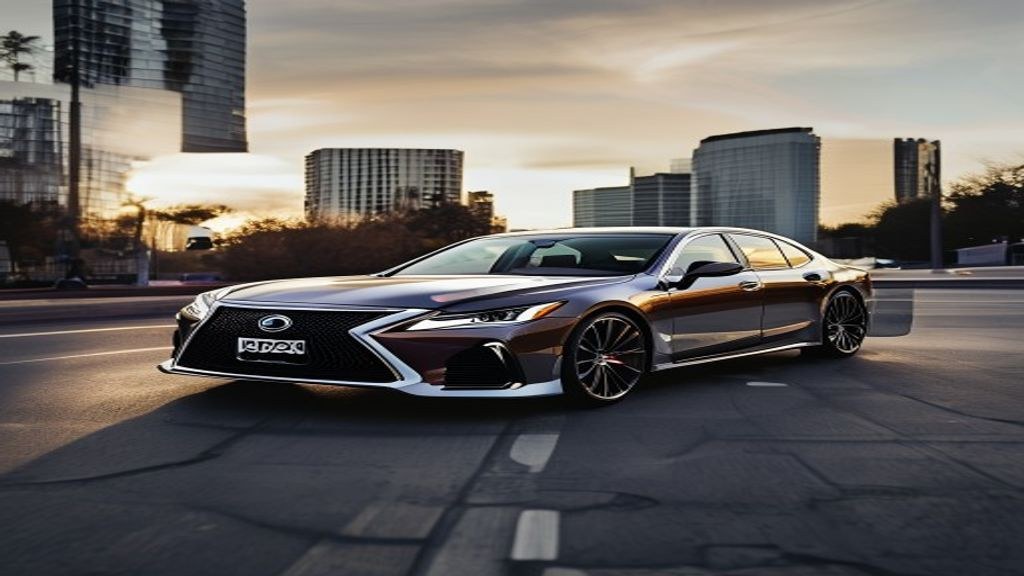
Lexus is quietly killing off its flagship, the LS, and handing the keys to the mid-size ES – now available as an EV – hoping it can pull off a serious upgrade in status. Jislaaik, that’s a big ask. For decades, the LS was *the* Lexus. The one you saw parked outside Sandton hotels, the one the successful boet drove. Now, they’re building just 250 Heritage Edition models for 2026 before it’s gone. Lexus is betting the revamped ES, particularly this new electric version, can step up and fill those very large shoes. Let’s see if it’s got the guts.
## From Zero to Hero? The ES Gets a Serious Glow-Up
Lexus launched with just two models back in 1989: the ES and the LS. Now, it’s streamlining. The ES is sticking around, but it’s not the same car your dad drove. This eighth-generation ES is a proper overhaul, and the EV variant is the most radical change in over three decades. They're trying to give it some of that LS prestige, and the design reflects that. Forget the aggressive spindle grille we’ve seen on petrol Lexus models. This EV has a much blunter front end, with just a *vague* outline of the familiar shape. It’s also grown. At 61.4 inches tall, it’s 4.5 inches taller than before, even topping the Lexus UX (which is marketed as an SUV!). It's a lekker attempt to make a statement, but does it work? It’s a bit…subtle, isn’t it? Like a guy trying to look rich by wearing a slightly more expensive watch.
## Space to Breathe: Is the New ES Actually Bigger and Better Inside?
It's not just about looks, bru. The ES’s growth translates into more space, especially in the back. A 3.1-inch-longer wheelbase makes a noticeable difference. And if you’re the kind of boss who gets driven around, listen up: the front-wheel-drive EV Luxury trim offers an “Executive rear-seat package” with a passenger-side ottoman and full power adjustability. Heating and ventilation for the outboard rear seats are standard. They’ve even included a special drive mode designed to avoid that jerky regenerative braking that can ruin a smooth ride for passengers. Imagine being chauffeured around Cape Town CBD in this thing – it *could* be quite comfortable.
Inside, passenger volume is 53 cubic feet in the front and 48 cubic feet in the rear. Trunk space is a respectable 13 cubic feet. But let's be real, space isn’t everything. It’s about the *feel* of luxury.
## Electric Power, But Not Exactly Blistering Speed
Okay, let's talk performance. You’ve got two options: the ES350e (224 hp, front-wheel drive) and the ES500e (338 hp, all-wheel drive). Don’t expect to be pinning anyone to their seat. The ES350e hits 60 mph in 6.6 seconds, while the ES500e manages it in 4.9 seconds. That's…okay. It's not slow, but it's not exactly challenging a Tesla Plaid, is it? Lexus isn’t going for outright speed; they’re going for a refined, comfortable driving experience. They've included five levels of adjustable regenerative braking, but – and this is a bit frustrating – no one-pedal driving. Apparently, Lexus wants the driver to be in control of braking, which is fair enough, but many EV drivers have come to love that one-pedal feel.
## Range Anxiety is Real: How Far Can You Actually Go on a Single Charge?
Here’s where things get a little… tricky. The ES EV uses a 67-kWh battery pack, which isn’t huge by today’s standards. Range estimates vary: 272 miles for the ES500e with larger wheels, up to 307 miles for the ES350e with smaller wheels. Real-world testing shows those numbers are optimistic. The ES350e achieved 250 miles in a 75-mph highway range test, while the ES500e managed 230 miles. And the DC fast-charging speed tops out at 150kW, which is slower than many competitors.
Think about a road trip from Joburg to Durban. You’d be stopping to charge *a lot*. Load shedding doesn't exactly help the situation either, does it? Imagine planning your route around charging stations and potential blackouts. It's a bit of a headache, to say the least.
## So, Is It Worth Your Rands? The Price of Luxury (and Electricity)
Let’s talk money. The ES350e starts at US$48,895. The ES350e gets above US$60,000 with the Executive package, and the ES500e Luxury test car cost US$63,110. That puts it in the same ballpark as a Tesla Model 3, but with more space and a more luxurious interior. The Luxury model’s wood trim is particularly nice. But here’s the kicker: even the higher-spec models feel like a reasonable deal considering the size, interior quality, and overall polish. It's a competitive price, but remember, we're talking US dollars here. Importing this into South Africa, with duties and taxes, will push the price up considerably. It'll likely land well north of R800,000, and that’s before you factor in the cost of installing a home charger.
## Load Shedding & Luxury: The EV Reality Check for South Africa
Let’s be real for a sec. Owning an EV in South Africa is…complicated. Load shedding is a constant threat. You’re reliant on a stable grid to charge your car, and let’s face it, that’s not always a given. A backup power system is almost essential, which adds to the cost. And while the charging infrastructure is improving, it’s still not as widespread as it needs to be. You can't just pull over at any Checkers or Engen garage and expect to find a fast charger. It's a luxury car with a very South African problem.
## The Verdict: Lexus is Playing Catch-Up, But Is This a Good First Step?
The 2026 Lexus ES EV is a solid effort. It's a comfortable, well-built car with a luxurious interior and a surprisingly attractive price point (in the US, anyway). It successfully attempts to fill the gap left by the discontinued LS, offering a more upscale experience than previous ES models. However, it's not without its flaws. The range is mediocre, the charging speed is slow, and the performance isn't exactly exhilarating.
Lexus is playing catch-up in the EV market, and this feels like a good first step. It's not a game-changer, but it’s a credible competitor. It’s best suited for buyers who prioritize comfort and luxury over outright performance and range.
But here’s the question: with the EV market evolving so rapidly, is Lexus doing enough to stay ahead of the curve? And more importantly, will this be a befok option for the South African boet, or will he stick with his trusty diesel bakkie?
Based on reporting by
https://www.caranddriver.com/reviews/a71362521/2026-lexus-es-ev-drive/