news
3
Home Affairs cracks down on smart ID and passport booking syndicates - MyBroadband
June 18, 2026
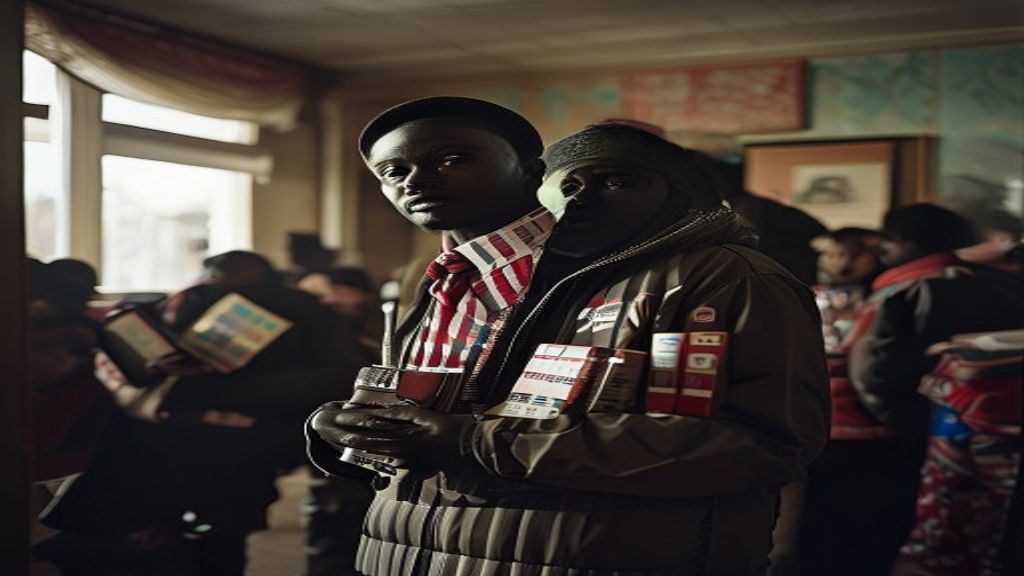
Jislaaik. People are paying *more* for a Home Affairs appointment than a month's supply of biltong – and it's a full-blown racket. Seriously, you can get a decent slab of drywors for under R300, but some are dropping serious cash just to *book* a slot to renew a passport? It’s kak, plain and simple. This isn't just a minor inconvenience; it's a symptom of a bigger problem – a system ripe for exploitation and a whole lot of frustration for honest South Africans. Let’s unpack this befokked situation.
## So, What's This Kak About Booking Syndicates?
Okay, so here’s the deal. Home Affairs, bless their hearts, introduced an online booking system for Smart ID cards and passports. The intention was good – cut queues, make life easier. But like most things in Mzansi, someone found a way to exploit it. Basically, these syndicates – we're talking organised boes with bots and probably a lekker side hustle going – are snapping up available appointments as soon as they become available. Then, instead of using them, they *resell* those slots to desperate citizens. Think of it like scalpers for concert tickets, but for essential government services.
It’s a proper mess. You’re trying to plan a trip to visit family in Cape Town, or maybe a business trip to Sandton, and suddenly your entire timeline is held hostage by these digital hijackers. It's enough to make a man reach for the Nando’s peri-peri extra hot just to cope with the stress.
## How Much Are These Guys Actually Charging?
This is where it gets truly insulting. While the official cost of a passport is around R775 (and a Smart ID is R300), these syndicates are charging *way* more for a booking slot. Reports are surfacing of people paying upwards of R1,000 – and in some cases, even R2,000 – just for the *privilege* of being able to book an appointment.
Let that sink in. You're effectively paying a premium for access to a government service you’re already entitled to. It’s daylight robbery, bru. It's like paying a toll just to *try* and get into Checkers. And for what? To avoid spending an entire day in a Home Affairs queue that rivals the Durban beachfront on New Year’s Eve?
## Home Affairs Finally Wakes Up
Thankfully, Home Affairs isn't completely asleep at the wheel. They've finally started cracking down on this, implementing measures to try and combat the booking mafia. The specifics, according to reports, include enhanced security measures to detect and block bots, and an investigation into the individuals and groups involved in the reselling of appointments.
They're also looking at ways to improve the system itself, making it harder for these syndicates to operate. This includes potentially introducing more frequent releases of appointment slots and implementing stricter verification processes. It’s a start, but frankly, it feels like they should have been onto this a long time ago. It's like waiting for load shedding to become a national crisis before doing something about Eskom.
## Is This Load Shedding 2.0? How This Impacts Real People
This isn't just about inconvenience; it's about the broader systemic failures that plague South Africa. Just like load shedding, this Home Affairs booking debacle highlights the vulnerability of our digital infrastructure and the ease with which it can be exploited. It impacts everyone – the businessman needing a passport for a crucial international deal, the student needing an ID to register for university, the family trying to plan a long-awaited holiday.
It erodes trust in government institutions and fuels a sense of helplessness. It’s a constant reminder that in South Africa, even the simplest tasks can become a monumental struggle. It's enough to make you want to stock up on biltong and barricade yourself at home.
## Protect Your Pocket: How to Avoid Getting Scammed
So, what can you do to avoid getting fleeced? Here’s the deal:
* **Don’t buy appointments from anyone.** Seriously, just don’t. It’s illegal, and you’re just funding these criminal enterprises.
* **Be patient and persistent.** Keep checking the Home Affairs website regularly for available slots.
* **Try different times of day.** Appointment slots are released at different times, so experiment with checking at various hours.
* **Enlist the help of family and friends.** Get everyone you know to check the website for you.
* **Report any suspicious activity.** If you come across anyone offering to sell appointments, report it to Home Affairs.
## Beyond Passports: What This Says About SA's Digital Future
This isn’t just about passports and Smart IDs. It’s a warning sign about the broader state of digital security in South Africa. If a relatively simple booking system can be hijacked so easily, what does that say about the security of more sensitive online services, like banking or healthcare?
We need to invest in robust cybersecurity measures and develop a more resilient digital infrastructure. We need to ensure that government services are accessible to all citizens, not just those who can afford to pay a premium. This Home Affairs debacle should serve as a wake-up call – a stark reminder that we need to take digital security seriously if we want to build a thriving and equitable future for South Africa.
Look, the fact that people are paying more for a Home Affairs appointment than for a month’s supply of their favourite snack is a disgrace. Home Affairs needs to get its act together, fast. This isn't just a technical glitch; it's a failure of governance.
But here's the kicker: is this just the tip of the iceberg? What other essential services are being quietly hijacked and exploited by unscrupulous individuals? Click here to find out what other government systems are vulnerable to corruption and what you can do to protect yourself.