news
1
Malawians stranded in Durban continue wait - eNCA
June 18, 2026
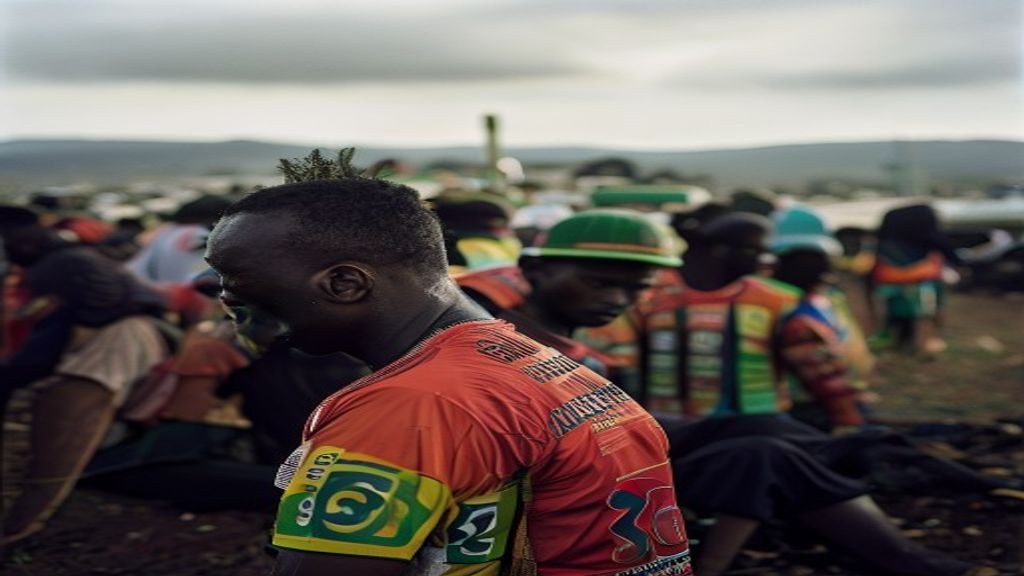
While we're debating whether the new Springboks jersey is worth the R900 price tag, over 200 Malawian citizens are stuck in Durban, sleeping in the open – and frankly, it's a kak situation. We’re talking about human beings, bru, not limited edition collectibles. While we argue about rugby merch, people are being exploited and left to fend for themselves on the Durban beachfront. It’s a proper wake-up call, and a serious dent in our national pride.
## So, What Exactly Went Down?
The story, as it’s unfolding, is grim. Hundreds of Malawian citizens were allegedly lured to South Africa under false pretenses – promises of jobs that simply didn't exist. We’re talking about a full-blown trafficking operation, boet. These people, reportedly over 200, were convinced they’d find work here, only to be abandoned in Durban with nothing. The details are sketchy, but the core of the issue is a blatant disregard for human dignity and a shocking failure of oversight. They were promised the lekker life, a chance to send money home, and instead, they’ve landed in a nightmare.
## Durban's Dealing With It… But Is It Enough?
Durban's authorities, along with NGOs, are scrambling to provide assistance, but the scale of the crisis is clearly stretching resources. It's a bit like trying to bail out the ocean with a teaspoon, isn't it? Reports indicate that shelters are overcrowded, and basic necessities like food, water, and medical care are in short supply. The response is happening, thankfully, but it's slow. Why is it taking so long to get these people proper assistance? It feels like we're reacting, not proactively addressing a humanitarian disaster unfolding right under our noses. You can’t help but wonder if this would be happening in Sandton.
## The Cost of Doing Nothing: What's This Doing to SA's Reputation?
Let’s be real, this isn’t just a humanitarian issue; it’s a PR disaster. South Africa is trying to position itself as a stable, attractive investment destination. We're trying to attract foreign capital, boost tourism, and generally project an image of a functioning, compassionate nation. Then something like this happens. It looks *bad*. It screams of instability, vulnerability to exploitation, and a lack of control. It’s a kak look for a country trying to climb the economic ladder. Think about the international headlines, the reports from human rights organizations – this isn't the image we want to be projecting. It’s going to make investors think twice, and frankly, who can blame them?
## Human Trafficking 101: How These Scams Work (and How to Spot Them)
This isn’t the first time we’ve seen something like this, and it certainly won’t be the last. Human traffickers are masters of manipulation, preying on desperation and vulnerability. They use a variety of tactics, from false job offers to promises of a better life. They often target individuals from impoverished communities, exploiting their hope for a brighter future. It’s a sophisticated operation, often involving networks that span multiple countries. The key is to be aware of the red flags: promises that seem too good to be true, demands for upfront payments, and pressure to travel quickly and without proper documentation.
## Load Shedding & Limited Resources: Is SA Just Befok'd?
Let's be honest, South Africa is facing a whole host of challenges right now. Load shedding is crippling businesses, our healthcare system is under immense strain, and the economy is struggling to grow. These existing problems aren't just exacerbating the crisis in Durban; they're making it exponentially harder to respond effectively. Imagine trying to run a temporary shelter without reliable electricity. Imagine trying to provide medical care in the dark. It’s a logistical nightmare, and it highlights the systemic issues that are holding us back. We’re constantly fighting fires, and it’s exhausting. This situation is a perfect storm of vulnerability and systemic failure.
## What Can *You* Do? (It's Not Just About Donations)
Okay, so you’re feeling helpless? You want to do something, but you’re not sure where to start? Throwing a few bucks at a donation drive is helpful, sure, but it’s not enough. We need to raise awareness. We need to demand accountability from our government. We need to support organizations that are working to combat human trafficking and protect vulnerable populations. Share information on social media, contact your local representatives, and educate yourself about the issue. Every little bit helps. This isn’t just about charity; it’s about citizenship.
## The Bigger Picture: Migration, Xenophobia & SA's Future
This crisis in Durban isn’t an isolated incident. It's a symptom of larger, more complex issues surrounding migration, xenophobia, and South Africa's role in the region. We're a regional power, and with that comes responsibility. We need to develop a comprehensive migration policy that is both humane and effective. We need to address the root causes of migration, such as poverty and political instability. And, crucially, we need to combat the scourge of xenophobia that continues to plague our society. This isn’t just about helping Malawian citizens; it’s about building a more just and equitable future for all.
This situation is a proper mess, and it’s a stark reminder of the challenges we face as a nation. The response has been slow, the resources are stretched, and the reputational damage is significant. We need to do better. We *have* to do better. This isn’t just about being a good global citizen; it’s about upholding our own values and protecting our own interests.
The situation demands urgent action, and a long-term strategy to prevent similar crises in the future. It’s time to move beyond reactive measures and start addressing the root causes of vulnerability and exploitation.
But here’s the real question: with our current economic woes and political instability, are we even capable of building a truly compassionate and effective system for managing migration and protecting vulnerable populations? Click here to find out how South Africa's economic policies are impacting its ability to respond to humanitarian crises.