cars
2
Chery's Taking Over Nissan? Your Next Car Just Got Complicated
June 20, 2026
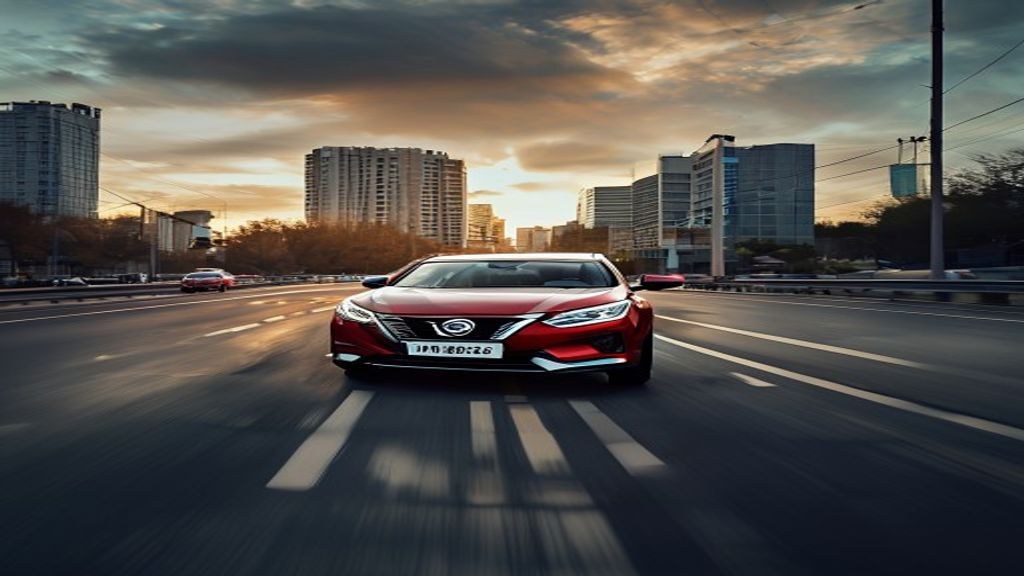
Forget load shedding, bru – the biggest disruption to your motoring life might just be a Chinese takeover of a South African car factory. We’re talking Nissan in Rosslyn, potentially falling into the hands of Chery. Jislaaik. This isn’t some theoretical economic discussion; this is about what you’ll be driving (and *paying* for) in the next few years. It’s about jobs in Pretoria, and frankly, about South Africa’s place in the global car game.
## So, What's Actually Happening Here?
The Competition Commission has recommended that Chery be allowed to buy Nissan’s South African manufacturing plant. It’s not a done deal yet, but it’s a *big* step. The commission’s recommendation isn’t just a rubber stamp, though. They’re looking at how this impacts competition, jobs, and the broader economy. The details are still unfolding, but the gist is this: Chery wants to use the existing plant to build cars *here*, in South Africa. That’s a potential game-changer.
## Chery: From Zero to Hero (and a Bit Scary?)
Let’s be real, Chery wasn’t exactly on everyone’s radar a decade ago. They’ve gone from being a bit of a joke – remember the early imports? – to a serious player. Globally, they’re growing fast. They’re selling a lot of cars, and they’re investing heavily in new technology. Now, they’re looking at expanding their footprint in South Africa.
They've been quietly building a presence here, slowly but surely. They’re offering competitive pricing, and their cars are…improving. But there’s still that lingering question: can they deliver the reliability and build quality that we expect from established brands? Eish, that’s the worry.
## Nissan in SA: From Bakkie Boss to…What Now?
Nissan has a long history in South Africa. They were *the* bakkie boss for years with the 1 Tonner and Hardbody. Those things were built to last – proper workhorses. But things have changed. Nissan’s global fortunes have waned, and their South African operations have suffered. The Rosslyn plant hasn’t been operating at full capacity for a while, and frankly, it's been clear they were looking for a way out.
This sale isn’t just about Nissan cutting its losses. It’s a sign of the shifting sands of the global auto industry. South Africa used to be a key manufacturing hub. Now, we’re scrambling to stay relevant. This feels like a potential nail in the coffin for local car manufacturing as we know it.
## What Does This Mean for Your Wallet?
Okay, let’s get to the important stuff. Will Chery ownership mean cheaper cars? Possibly. Chery’s known for aggressive pricing. They could undercut the competition, especially in the budget segment. But cheaper isn’t always better. You need to consider the long-term costs – maintenance, reliability, resale value.
If Chery can ramp up production and improve quality, they could offer a genuinely compelling alternative to the established brands. But if they cut corners, you could end up with a kak deal. You might get a car for a song, but end up spending a fortune keeping it on the road. Think carefully before jumping in.
## Jobs on the Line? The Real Impact on South African Workers
This is where it gets really serious. A takeover could mean job losses. The Competition Commission is looking at this closely, but there are no guarantees. Nissan employs a significant number of people at the Rosslyn plant and in its supply chain. A change in ownership could lead to retrenchments, especially if Chery decides to streamline operations or import more parts from China.
This isn’t just about the numbers on a spreadsheet. It’s about real people, real families, and the economic impact on the Pretoria area. We need to be honest about the potential consequences. This deal needs to be structured in a way that protects South African workers and supports the local economy.
## The Bigger Picture: China’s Growing Influence in SA
This isn’t just about cars, bru. It’s about China’s growing economic influence in South Africa. Chinese companies are investing heavily in a range of sectors, from mining to infrastructure to manufacturing. This isn't necessarily a bad thing – foreign investment can create jobs and boost economic growth. But we need to be aware of the potential risks.
We need to ensure that these investments are done in a way that benefits South Africa, not just China. We need to protect our national interests and ensure that we’re not becoming overly reliant on a single country. This is a complex issue with no easy answers.
## Should You Buy a New Car Now, or Wait and See?
Look, it's a tricky one. If you *need* a car now, don't delay. But if you can hold off for six to twelve months, it might be worth waiting to see how this Chery deal plays out. There’s a good chance we’ll see some interesting price movements and new models hitting the market.
Don’t rush into anything. Do your research, compare prices, and consider your needs carefully. And remember, a cheap car isn’t always a good car. Prioritize reliability, safety, and long-term value.
**Verdict:** This Chery takeover is a massive shake-up for the South African car market. It could lead to cheaper cars, but it also carries significant risks. Proceed with caution, and don't be afraid to haggle.
But here’s the real question: with all this disruption in the car market, is now the time to invest in electric vehicles, or are we still years away from a truly viable EV infrastructure in South Africa?