money
2
South Africa: African Development Bank and Absa unveil multi-billion rand financial package to expand sustainable capital markets, boost economic growth for women and youth - African Development Bank Group
June 21, 2026
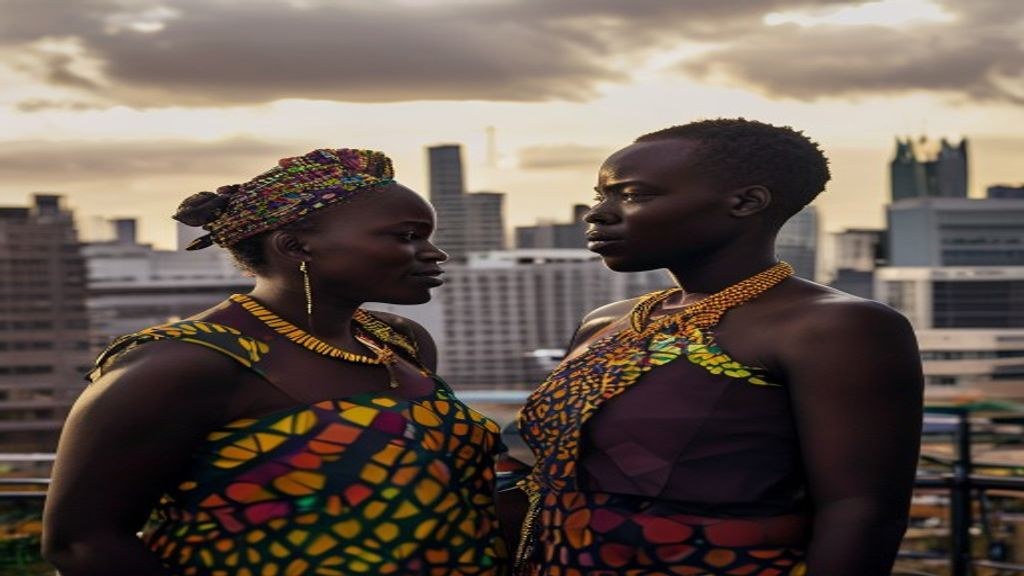
Forget the politicians promising change – R10 billion is about to be unleashed in South Africa, and it's specifically aimed at getting women and young guys like you a piece of the pie. Seriously. That’s a big chunk of change, even in a country where a decent biltong platter can set you back a few hundred bucks. But will this actually translate into something *lekker* for the average South African trying to hustle? Let's unpack this, because frankly, a lot of these announcements are just kak talk.
## So, What's This R10 Billion Actually For?
Okay, so the deal is this: the African Development Bank (AfDB) and Absa have partnered up to launch a financial package worth R10 billion. Now, before you start planning your Lambo purchase, let’s be clear. This isn’t a handout. It’s aimed at three key areas: boosting what they call “sustainable capital markets,” empowering women economically, and giving young entrepreneurs a leg up.
“Sustainable capital markets” sounds like something out of a Bloomberg article, right? Basically, it means directing investment towards projects that are good for the environment and society, not just your bank balance. Think renewable energy, infrastructure that actually works (unlike some of our roads, jislaaik), and businesses that aren't befokking the planet. The idea is to create a more stable and responsible investment landscape.
## Absa & The AfDB: A Lekker Partnership, But Will It Deliver?
Absa and the AfDB are the driving forces here. The AfDB is chipping in US$600 million, and Absa is bringing the rest. Now, both these institutions have a track record, and it’s worth looking at. The AfDB, historically, has been pretty active in funding infrastructure projects across Africa. Absa, well, they're Absa. They've been around the block a few times, and let's just say they know how to make money.
But here’s the thing: good intentions don’t always translate into results. We’ve seen plenty of initiatives like this before, promising the world and delivering…well, not much. The question is whether this partnership is genuine, or just a PR exercise to make them look good while they continue raking in the dough. Time will tell, bru.
## Women & Youth: Why This Focus, and What's in it For You?
The focus on women and youth is deliberate. Statistically, these groups face significant barriers to economic participation in South Africa. Women often struggle with access to funding and face systemic biases. Young people are battling youth unemployment which is a kak situation. This funding is specifically designed to address these challenges.
The aim is to provide them with access to finance, mentorship, and training programs. For young entrepreneurs, this could mean the difference between a brilliant idea gathering dust in a notebook and a thriving business. For women, it’s about levelling the playing field and giving them the opportunity to build wealth and create jobs.
## Sustainable Capital Markets: Sounds Boring, But Why Should You Care?
Okay, I get it. “Sustainable capital markets” doesn’t exactly scream excitement. But hear me out. This is about creating a more stable and resilient economy. When investment flows into projects that are good for the long term – think renewable energy, efficient infrastructure – it creates jobs, stimulates growth, and reduces our reliance on volatile industries.
It also attracts foreign investment. Investors are increasingly looking to put their money into companies and countries that are committed to sustainability. A strong sustainable capital market makes South Africa a more attractive destination for that investment.
## Load Shedding, Bafana, and Billions: The Bigger Picture for SA
Let’s be real. South Africa is facing a bunch of challenges. Load shedding is crippling businesses, Bafana’s performance is…well, let’s not talk about it, and political instability is scaring investors away. This R10 billion injection is a small piece of a much larger puzzle.
It’s not a silver bullet. It won’t fix load shedding overnight. It won’t magically transform Bafana into world-beaters. But it *can* contribute to a more diversified and resilient economy. It’s about creating opportunities, fostering innovation, and building a more sustainable future.
## Is This Just Another Drop in the Ocean?
R10 billion sounds like a lot, and it is. But is it enough? Considering the scale of South Africa's economic challenges, it feels like a drop in the ocean, doesn’t it? We’re talking about an economy that needs massive investment in infrastructure, education, and job creation.
Compared to other initiatives, this is significant, but it's not game-changing. The real challenge will be ensuring that the funds are used effectively and that they reach the people who need them most. There’s always the risk of corruption, mismanagement, and bureaucratic red tape. We need transparency and accountability to ensure that this money doesn’t disappear into thin air.
## How To Actually Benefit From This (If You're a Hustler)
So, you’re a young entrepreneur with a killer idea, or a woman looking to start a business? Here’s how you can try to get a piece of the action. Absa will be the main point of contact for accessing these funds. Keep an eye on their website and social media channels for announcements about loan programs, grants, and training opportunities.
Network, network, network. Attend industry events, connect with potential mentors, and build relationships with people who can help you navigate the application process. Be prepared to present a solid business plan and demonstrate the potential for growth and sustainability. This isn't a free ride, bru. You need to hustle.
This R10 billion injection is a step in the right direction, but it’s not a magic fix. It’s a tool, and like any tool, it can be used effectively or wasted. The success of this initiative will depend on how well it’s implemented, how transparent the process is, and how effectively it reaches the people who need it most. It’s a cautiously optimistic move, but optimism alone won’t pay the bills.
Now, are we seeing a genuine commitment to empowering South Africa’s future, or is this just another round of promises that will ultimately fall flat? Click here to find out what the experts are saying about the real roadblocks to economic growth in SA.