cars
1
Your New Bakkie Might Be Killing People (Seriously)
June 22, 2026
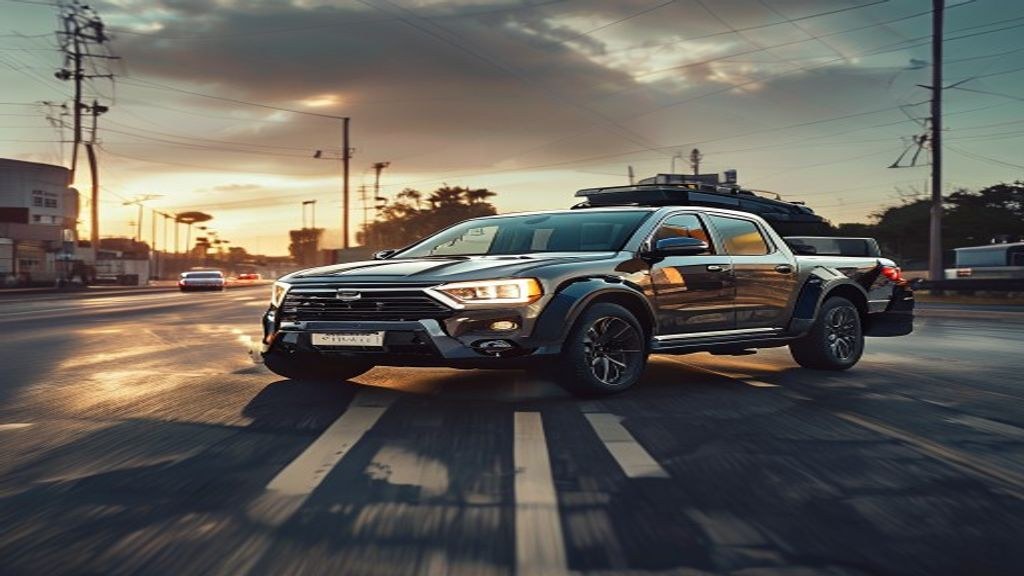
**US$1 trillion.** That's how much American automakers have made in the last decade while simultaneously designing vehicles that are statistically more likely to kill pedestrians – and the trend is creeping into South Africa. Eish. We’re talking about your new bakkie, your neighbour’s oversized SUV, even that fancy new family car you’ve been eyeing. Turns out, the pursuit of occupant safety has come at a seriously steep cost for those of us on two feet. It's kak, frankly.
## So, What's This All About – Taller Hoods?
Let’s be real, most of us aren’t thinking about pedestrian safety when we’re choosing a vehicle. We’re thinking about space, comfort, maybe a bit of status. But a recent investigation by the *New York Times* has thrown a massive spotlight on a design flaw that’s contributing to a shocking rise in pedestrian fatalities. It all boils down to height – specifically, the height of vehicle hoods.
Over the last two and a half decades, the popularity of large SUVs and trucks has exploded. And with that, vehicle hoods have gotten taller. This isn’t some coincidence. Automakers have been focused on protecting *occupants* in crashes, and taller vehicles – with their beefier crumple zones – are seen as safer for those inside. But what about everyone else? The problem is that these taller hoods raise the point of impact, meaning pedestrians are more likely to be thrown forward and hit the ground with force, instead of being deflected upwards. Shawn Harrington, head of Forensic Rock, put it bluntly: “We see a lot of devastating collisions even at lower speeds because the pedestrian gets punted forward…Before the driver knows what’s happened, the pedestrian’s head is under the wheel.” Jislaaik.
## The Numbers Don't Lie: 3000 Deaths and Counting
This isn’t just some theoretical risk. The *New York Times* crunched the numbers, using data from the National Highway Traffic Safety Administration (NHTSA) and other sources, and the results are terrifying. Their model estimates that the shift toward vehicles with taller hoods led to roughly **3000 deaths** between 2016 and 2024. And that’s a *conservative* estimate. It doesn’t even include crashes that happen in parking lots, driveways, or on private roads. NHTSA’s Non-Traffic Surveillance system estimates *hundreds* of additional pedestrian deaths each year from those kinds of incidents, and that number is increasing.
Even more chilling, the study suggests that an estimated **200 to 400 pedestrians each year** would not have died if vehicles had remained roughly the same size they were at the start of the century. That’s roughly 10 percent of the increase in pedestrian deaths we've seen recently. For every one-inch increase in vehicle hood height, the odds of a pedestrian fatality increase by **2.8 percent**. They ran simulations, too. Decreasing the hood height of every vehicle in their dataset by just 3 inches could have saved between **2624 and 3077 lives** between 2016 and 2024.
## Blind Spots Are Getting Bigger – And It's Not Just You
It's not *just* the hood height, bru. Modern vehicles, in the name of occupant safety (specifically rollover protection) also have larger A-pillars, and that means bigger blind spots. The *New York Times* team used 3D scans to compare modern pickups with their counterparts from the 90s and early 2000s. The results? The Chevrolet Silverado's blind spots have *nearly doubled*. The GMC Sierra and Toyota Tacoma’s blind spots increased by around 60 percent. Even the Ford F-150, which had the smallest increase, saw its blind spots grow by around 25 percent. Think about navigating the Durban beachfront on a busy weekend. Those blind spots are a recipe for disaster.
## Why Are They Building Cars Like This, Anyway?
Good question. The short answer? Regulations. Occupant safety regulations, specifically. Automakers are incentivized to make cars safer *for the people inside*. Pedestrian safety? Not so much. Couple that with consumer demand for larger vehicles – everyone wants a bakkie or an SUV these days – and you’ve got a perfect storm. It's a classic case of unintended consequences. No one is intentionally trying to kill pedestrians, but the focus on occupant safety has created a dangerous situation for everyone else.
## What Does This Mean For Us In SA?
This is where it gets real. While the study focused on the US, the trend towards larger vehicles is happening here too. Takealot delivery vans, Checkers trucks, even the average bakkie on the road – they’re all getting bigger. We don’t have the same level of data on pedestrian fatalities directly linked to hood height as the US, but pedestrian safety is already a massive issue in South Africa. Our road infrastructure isn’t always pedestrian-friendly, and we have a high number of pedestrians on the roads, particularly in urban areas.
## Bakkie Culture & The Problem: Is South Africa Particularly Vulnerable?
South Africa *loves* a bakkie. It's ingrained in our culture. From the farm to Sandton, the bakkie is king. And a lot of those bakkies are getting bigger and taller. This combination of vehicle design and pedestrian density creates a particularly dangerous situation. Imagine a pedestrian crossing the road in Johannesburg CBD, trying to navigate traffic and suddenly finding themselves in the blind spot of a massive Ford Ranger. It's a scary thought.
## What Can Be Done? (And Is Anyone Actually Doing Anything?)
The solutions aren’t easy. Stricter regulations are needed, forcing automakers to prioritize pedestrian safety. Improved vehicle design, including lower hoods and better visibility, is crucial. And increased awareness – both for drivers and pedestrians – is essential. Are automakers taking responsibility? Some are starting to explore new technologies and designs, but it’s slow going. Government intervention is needed to create a regulatory framework that prioritizes pedestrian safety.
Look, this isn’t about blaming anyone. It’s about acknowledging a problem and finding solutions. The current trajectory is unacceptable.
**The Verdict:** Your new bakkie might look lekker and feel safe, but it could be contributing to a deadly trend. The data is clear: taller vehicles are more dangerous for pedestrians. We need to demand safer vehicle designs and prioritize pedestrian safety on our roads. It's time for automakers and regulators to step up and take responsibility.
But here’s a question for you: if you're in the market for a new vehicle, how much weight *should* pedestrian safety carry in your decision-making process? Click here to find out how SA's vehicle safety ratings stack up against global standards.
Based on reporting by
https://www.caranddriver.com/news/a71663782/study-vehicle-hood-height-pedestrian-safety/