news
2
Transnet's Rail Plan: Will It Finally Fix Our Befok Logistics… Or Just Line Someone's Pockets?
June 23, 2026
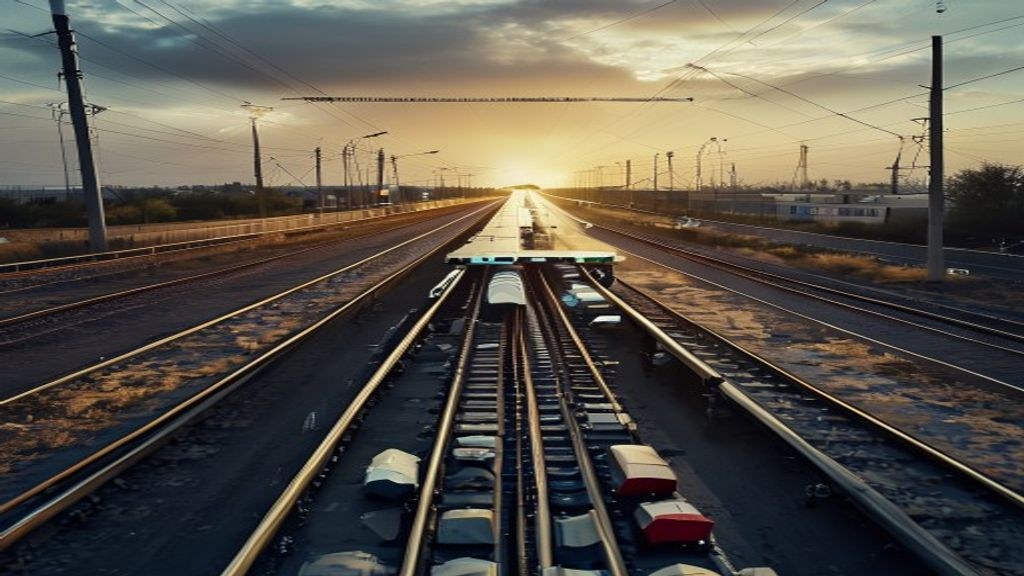
Load shedding is kak, but did you know our railways are *worse*? Transnet’s latest move to lease rolling stock could be a game-changer… or just another chance for things to go sideways. We’re talking about a system so befok, it’s actively strangling the economy. The plan? Lease trains instead of buying them. Jislaaik. Let’s unpack this.
## Okay, So What's Actually Going On With Transnet?
Look, the situation is simple: Transnet's rail network is collapsing. It’s not a slow decline, it’s a full-on implosion. We're talking about a critical piece of infrastructure that’s been allowed to rot. Freight volumes are down, ports are congested, and businesses are screaming. This isn't some abstract economic problem; it affects everything. Your Checkers bill, the price of biltong, even getting a decent Nando’s order delivered on time.
The problem isn’t just a lack of trains, it's a systemic failure. Years of mismanagement, underinvestment, and, let’s be honest, outright looting have left the network in a state of disrepair. We're talking about stolen cables, vandalized infrastructure, and a serious shortage of skilled personnel. It’s a mess, bru. A proper mess.
## Leasing Trains? Seriously? Isn't That Just Renting the Problem?
Exactly. That’s what everyone’s asking. Transnet’s announced a tender to find a leasing company to supply and maintain trains. Instead of investing in its own fleet, they want to *rent* them. The logic, apparently, is to unlock access to more trains quickly and avoid a massive upfront capital outlay.
But here's the kicker: this isn’t just a short-term fix. The proposed lease agreements are long-term – potentially spanning decades. This means we're potentially committing to paying rental fees for assets we could, eventually, own. It feels a bit like renting a house when you have the money for a bond, doesn’t it?
## How Does This Affect My Business (Or My Nando's Order)?
Everything is connected, boet. A functioning rail network means cheaper transportation costs for businesses. Lower costs mean lower prices for consumers. Think about it: less reliance on expensive road freight, more efficient supply chains, and a boost to the entire economy.
Imagine a scenario where farmers in the Free State can get their maize to Durban’s beachfront quickly and affordably. Or where manufacturers in Gauteng can export their goods to Cape Town CBD without facing massive delays. That translates to more jobs, higher profits, and a stronger economy. And yes, even a slightly cheaper peri-peri chicken from Nando’s because the transport costs for the chillies have dropped.
But right now, the opposite is happening. Businesses are forced to use more expensive road transport, leading to higher prices and reduced competitiveness. This hurts everyone.
## The Corruption Question: Are We Just Swapping One Kak Situation for Another?
This is the elephant in the room, isn’t it? Transnet and corruption are practically synonymous. State Capture left a deep scar, and the temptation for dodgy dealings remains high. A tender of this magnitude – we’re talking potentially billions of rand – is a magnet for unscrupulous characters.
The risk is that the leasing company chosen isn't selected on merit, but on connections. That the terms of the lease are skewed in favour of the company, at the expense of Transnet and ultimately, the South African taxpayer. We need absolute transparency and robust oversight to ensure this doesn’t happen. And frankly, given Transnet’s history, I'm not holding my breath.
## What About the Unions? Are They On Board With This?
The unions are… concerned, to put it mildly. They fear job losses and the potential for exploitation of workers by the leasing company. Understandably so. This is a sector with a strong labour tradition, and any changes that threaten jobs or working conditions will be met with resistance.
We can expect pushback, potentially strikes, and a lot of noise. Transnet needs to engage with the unions constructively and address their concerns if this plan has any chance of succeeding. Ignoring them would be a recipe for disaster.
## So, Is This a Genuine Fix… Or Just More Hot Air?
Honestly? It’s hard to say. The idea of leasing trains isn’t inherently bad. It could provide a short-term solution to a critical problem. But the devil is in the details. The success of this plan hinges on several factors: transparency, accountability, robust oversight, and a genuine commitment to fixing the underlying problems at Transnet.
Right now, I’m leaning towards skeptical. The history of corruption, the lack of transparency, and the potential for further mismanagement are all red flags. It feels like a band-aid solution to a gaping wound.
## What's the Timeline? When Can We Expect to See Actual Trains Running on Time?
Don’t hold your breath for overnight miracles. Transnet hasn't given a concrete timeline, which is worrying in itself. Implementing this plan will take time – time to tender, time to negotiate contracts, time to deliver and maintain the trains, and time to address the underlying infrastructure issues.
Realistically, we’re looking at several years before we see any significant improvements. And even then, it will depend on whether the plan is implemented effectively and without being derailed by corruption or mismanagement.
**Verdict:** This rail leasing plan is a gamble. It *could* provide a short-term fix to a critical problem, but the risks are substantial. Transparency and accountability are paramount. Without them, we're just swapping one kak situation for another. It's a move that requires serious scrutiny and a healthy dose of skepticism.
But is a private company really the answer to fixing a state-owned entity? And could this be the first step towards the complete privatization of Transnet? Click here to find out if selling off our railways is actually a good idea.