money
3
R750 Billion Flows Through This One SA Hustle – And It's Not What You Think
June 23, 2026
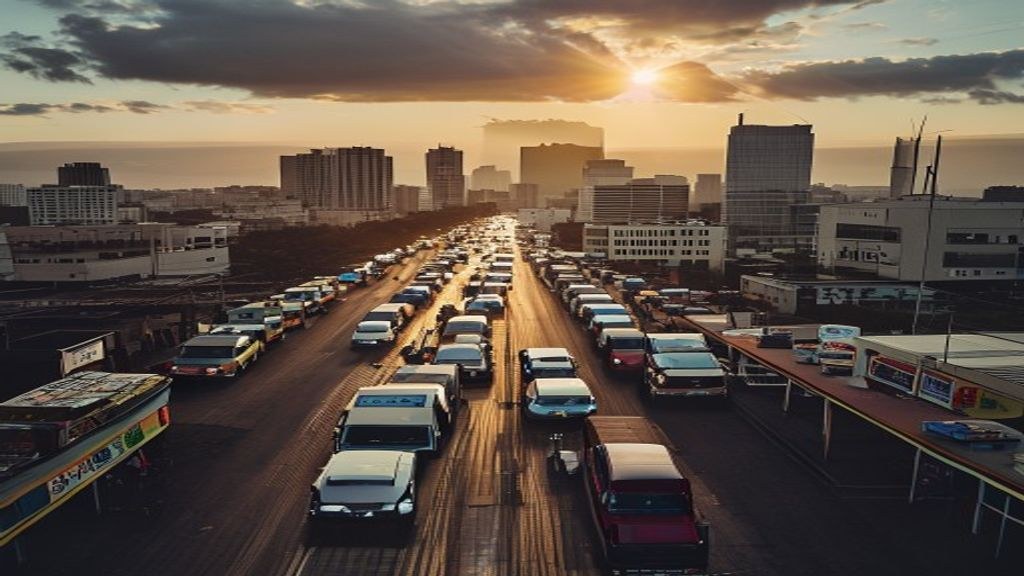
Forget crypto bros and Sandton suits – the real money in South Africa is moving through spaza shops, taxi ranks, and backyard mechanics, adding up to a staggering R750 billion economy. Jislaaik. While everyone’s chasing the next JSE listing, a parallel economy is booming right under our noses. This isn't some academic exercise, bru. This affects your daily life, your wallet, and the future of SA. Whether you’re a braai master or a boardroom bru, pay attention.
## So, What Exactly *Is* The Informal Economy, Anyway?
Let’s be real, most of us *know* it when we see it. It’s the guy fixing your car after hours because the dealership’s quotes are kak. It's the woman selling oranges at the robot – a way to put food on the table. It’s the spaza shop on the corner that’s open when Checkers is closed. Officially, it’s any economic activity that isn’t registered – no fancy VAT numbers, no UIF deductions. It’s operating outside the formal regulatory framework. Think street vendors, backyard mechanics, informal taxi businesses, and a whole lot more. It's different from formal business because it often avoids taxes, regulations, and labour laws. It’s about survival, agility, and meeting immediate needs. It’s the hustle, plain and simple.
## R750 Billion?! That's More Than Some Countries' GDPs!
R750 billion. Let that sink in. That’s a serious chunk of change. It’s bigger than the entire Namibian economy. It's a figure that makes the automotive industry look… well, smaller. Now, the source material doesn’t break down *exactly* how this R750 billion is calculated, but the sheer scale is undeniable. It highlights just how much economic activity happens outside the traditional, measured economy. This isn’t just a collection of small-time operators; it’s a significant force. It’s like realizing your neighbour, who always seemed quiet, is actually running a befok profitable side hustle.
## Who's Actually Making Bank In This Shadow Economy?
It’s not all millionaires, obviously. But it’s driven by real people, often facing tough circumstances. We’re talking about entrepreneurs – the woman selling fruit, the mechanic in his driveway, the guy running an informal taxi service. These aren’t necessarily people who *want* to be operating in the shadows; it’s often a matter of necessity. They're driven by the need to provide for their families, to escape unemployment, and to take control of their own destinies. It's a testament to South African resourcefulness. It’s the spirit of “make a plan” embodied.
## Why Is This So Big In South Africa? (It's Not Just Load Shedding, Bru)
Okay, load shedding definitely doesn’t *help*. When Eskom’s playing games, people need alternatives, and the informal sector steps up. But it’s deeper than that. Historically, South Africa has struggled with high unemployment, particularly among previously disadvantaged communities. Lack of access to capital and restrictive regulations make it difficult for people to start formal businesses. BEE, while well-intentioned, hasn't always trickled down to the grassroots level. The informal economy becomes a safety net, a way to survive when the formal economy fails to provide opportunities. It’s a direct response to systemic issues.
## Okay, Cool Story. But What Does This Mean For *Me*?
For you, the everyday South African, the informal economy impacts prices. Spaza shops often offer lower prices than major retailers, especially in townships and rural areas. It creates jobs – maybe not with benefits or a pension fund, but jobs nonetheless. It provides essential services where formal businesses don’t reach. It’s a source of innovation and resilience. For entrepreneurs, it presents opportunities to tap into a massive, underserved market. But it also presents challenges – competition, lack of access to resources, and the constant threat of regulation. Could you start a side hustle delivering groceries via motorbike? Maybe. Could you offer a specialized repair service? Absolutely.
## The Government's Headache: Taxing the Untaxable
Here's where things get tricky. The government needs revenue to fund schools, hospitals, and, let’s be honest, everything else. But how do you tax businesses that aren't registered? It’s a delicate balancing act. Overly aggressive regulation could stifle growth and push even more businesses underground. A more nuanced approach is needed – one that encourages formalization without punishing those who are simply trying to survive. Is formalization even the goal? Some argue the informal sector thrives *because* it’s unregulated.
## Future-Proofing Your Hustle: Lessons From The Informal Sector
The informal economy isn’t just a problem to be solved; it’s a masterclass in agility and customer focus. These businesses operate on tight margins, rely on word-of-mouth marketing, and are incredibly responsive to customer needs. Formal businesses could learn a lot from this. Think about how Nando’s built its empire by understanding what South Africans actually *want*. Collaboration is key. Formal businesses can partner with informal entrepreneurs to reach new markets, access local knowledge, and build trust. It's about recognizing the value that exists outside the traditional corporate structure.
The informal economy isn't going anywhere. It's a vital part of the South African landscape, representing resilience, resourcefulness, and the sheer will to survive. Ignoring it is not an option. Understanding it, harnessing its potential, and creating a regulatory environment that supports – rather than stifles – its growth is crucial for the future of our economy. It’s a R750 billion opportunity we can’t afford to miss.
But here’s the real question: with all this economic activity happening off the books, what are the long-term implications for South Africa's financial stability? Click here to find out.