money
3
SA's Hidden Wealth: Why We're Sitting on a Fortune (and Why Eskom is Kak)
June 24, 2026
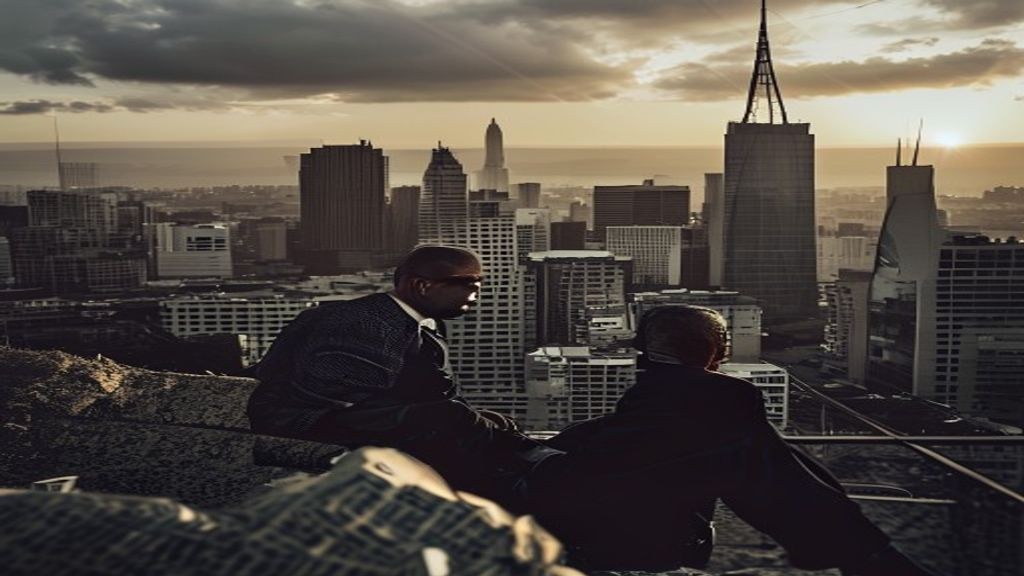
Forget crypto, forget NFTs – the real money is *under* our feet, and frankly, we're giving it away thanks to a power grid that's about as reliable as Bafana’s defence. We're sitting on a potential fortune, but Eskom is actively sabotaging it. It’s kak, plain and simple. Let's unpack how South Africa’s resource wealth is being squandered, and whether there’s any hope left for the boet on the street.
## So, What's SA Actually Made Of?:
Jislaaik, where do we even begin? This country is blessed – or cursed, depending on how you look at it – with a ridiculous amount of natural resources. We’re talking about being a major global player in everything from shiny rocks to the stuff that powers the world.
* **Platinum:** We hold a significant portion of the world’s platinum reserves.
* **Chrome:** South Africa is a leading producer of chrome, crucial for stainless steel.
* **Gold:** While production has declined, we still have substantial gold reserves.
* **Coal:** Despite the global push for renewables, coal remains a major export and energy source.
* **Diamonds:** Need I say more? We're famous for a reason, bru.
These aren't just little deposits either. We're talking about resources that could set us up for generations. But here’s the rub: actually *getting* those resources out of the ground, and turning them into actual money, is becoming a serious problem.
## Mining: The Good, The Bad, and The Seriously Befok
Mining built this country. It funded the Rand, built Johannesburg, and employed millions. But things aren’t what they used to be. Commodity prices fluctuate wildly, labour relations are… complicated, and frankly, the whole sector feels a bit stuck in the past.
BEE (Black Economic Empowerment) is a vital part of the conversation, and it’s not something we can ignore. It's about redressing the imbalances of the past, but it also adds layers of complexity to an already challenging industry. Some argue it’s stifled investment, others say it’s essential for long-term sustainability. The truth, as always, is somewhere in the middle, and it’s a debate that needs to happen honestly and openly.
The issue isn’t just *if* we mine, but *how* we mine. Sustainability, environmental impact, and fair labour practices are no longer optional extras; they’re essential for attracting investment and maintaining a social license to operate.
## Eskom: The Anchor Dragging Us Down
Let’s be brutally honest: Eskom is a disaster. A national catastrophe. A kakshow of epic proportions. Load shedding isn’t just an inconvenience that ruins your braai; it’s actively crippling the mining industry, manufacturing, and the entire economy.
Think about it: you're trying to run a highly energy-intensive operation like a platinum smelter, and the power cuts out for hours at a time. It's not just lost production; it's damaged equipment, delayed shipments, and a massive hit to profitability. The cost of this is astronomical. Eskom’s failures are impacting everything from the price of biltong at Checkers to the viability of businesses in Sandton.
## Beyond Mining: What Else Is Keeping SA Afloat?
It’s easy to get fixated on mining, but South Africa isn’t a one-trick pony. Agriculture, particularly wine and fruit exports, plays a significant role. Manufacturing, though struggling, still contributes a substantial amount to GDP. And then there's the financial sector, which is relatively sophisticated and well-regulated.
But even these sectors are feeling the pinch from Eskom and the broader economic uncertainty. Agriculture needs reliable irrigation, manufacturing needs consistent power, and the financial sector needs a stable economy to thrive. It’s all interconnected.
## Global Markets & SA: Are We Just a Pawn?
We don’t operate in a vacuum. Global commodity prices, international trade agreements, and geopolitical events all have a massive impact on South Africa. We’re heavily reliant on demand from China, for example. If the Chinese economy slows down, our exports suffer.
The US dollar’s strength also plays a role, as many commodities are priced in USD. And then there’s the whole issue of trade wars and protectionism, which can disrupt global supply chains and hurt our export markets. We're a small player in a big game, and sometimes it feels like we're just being tossed around by forces beyond our control.
## The Future: Can SA Turn It Around?
Okay, so it’s bleak. But is it hopeless? Not necessarily. Renewable energy is a crucial part of the solution. Solar, wind, and other clean energy sources can reduce our reliance on coal and provide a more stable power supply. Investment in infrastructure is also essential – upgrading our ports, roads, and railways will improve efficiency and reduce costs.
Economic diversification is key. We need to move beyond being solely reliant on raw material exports and develop a more diversified economy with a stronger focus on value-added manufacturing and services. But all of this requires political will, good governance, and a long-term vision.
## So, Is It Worth Investing in SA?
Look, it’s risky. There’s no denying that. Load shedding, political uncertainty, and economic headwinds all pose significant challenges. But South Africa also offers opportunities. The potential for growth in renewable energy, the strength of our financial sector, and the inherent wealth of our natural resources all make it an attractive investment destination.
Property prices in certain areas, like parts of Cape Town, are still relatively affordable compared to other global cities. The JSE offers exposure to a range of companies, but careful research is essential. Starting a business in South Africa can be challenging, but also rewarding.
Ultimately, investing in South Africa requires a long-term perspective and a willingness to accept risk. It’s not a get-rich-quick scheme, but it could offer solid returns for those who are patient and informed.
But here’s the real question: with Eskom consistently failing, and the government seemingly unable to fix it, are we just delaying the inevitable? Should we be bracing ourselves for a future where South Africa’s potential remains unrealized?