money
1
R12 Billion Just Dropped: Will This Actually Help SA's Young Guns (And Your Wallet)?
June 26, 2026
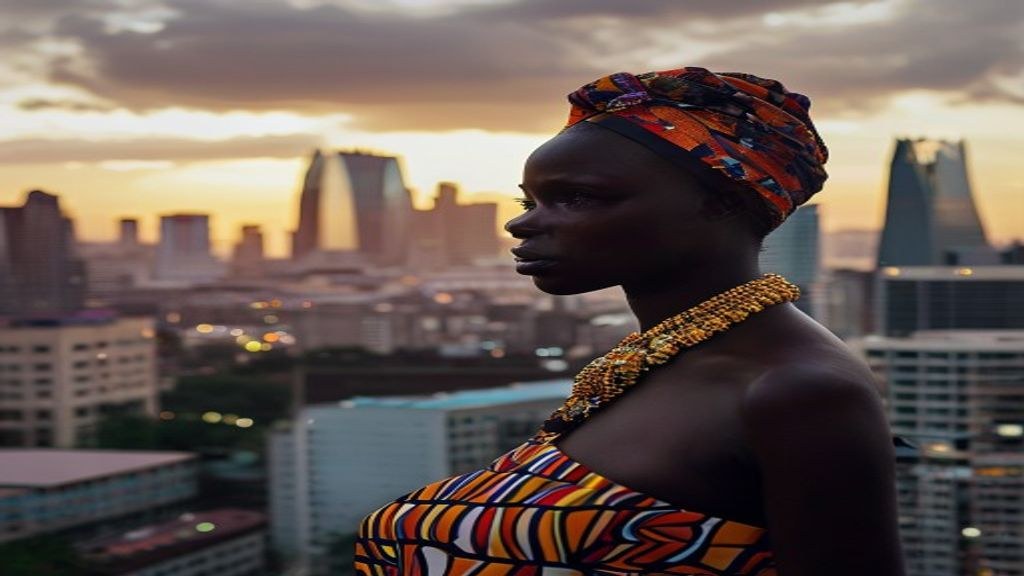
Forget the promises, bru. The African Development Bank (AfDB) and Absa just announced a US$650 million (that's roughly R12 billion, at today's rates) package for women and youth in South Africa – but will it actually land in the hands of the guys building businesses, or get lost in the usual kak? We’ve all seen these schemes before, haven't we? Another lekker press release, a few photos with politicians, and then… nothing. But this one *feels* different, or at least, the numbers are big enough to warrant a proper look.
## So, What's This R12 Billion Even For?
Okay, let's break it down. The AfDB and Absa are teaming up to throw some serious weight behind entrepreneurs, specifically focusing on women and the youth. The goal? To unlock potential and stimulate economic growth. Sounds good on paper, right? The AfDB is contributing US$250 million, while Absa is putting up US$250 million as well. The remaining US$150 million is… well, the details are a bit vague, but it's tied to de-risking instruments – basically, making it less scary for other investors to jump in.
They're looking at sectors like agriculture, manufacturing, and tech. Think startups developing apps in Cape Town CBD, small-scale farmers in Limpopo needing equipment, or even a lekker biltong business trying to scale up. It’s a broad net, which is both good and slightly worrying. Broad nets catch everything… including a lot of kak.
## Who Qualifies? (And Are You One of Them?)
This isn't a free-for-all, obviously. You need to meet certain criteria. The focus is on women-led businesses and youth-owned enterprises. But what does "youth-owned" actually *mean*? The AfDB is targeting entrepreneurs aged 18-35. So, if you’re pushing 40, you’re probably out of luck, boet.
For women, it's about businesses that are either owned or have significant female leadership. Startups and established businesses are both eligible, which is good news. But be prepared for a mountain of paperwork. These things always are. We're talking detailed business plans, financial projections, the whole shebang. Don’t expect it to be a quick process – this is South Africa, after all.
## Absa's Role: Just a Bank, or Something More?
Absa is contributing US$250 million to this whole shebang. But is this genuine philanthropy, or just a smart business move? Let’s be real, banks aren’t known for handing out money for nothing. They're looking for a return on investment.
Absa has been increasingly vocal about its commitment to sustainable finance and economic empowerment. They've been running various initiatives aimed at supporting SMEs for a while now. Whether this is driven by genuine concern for the country’s economic future or a desire to improve their public image… well, that’s a debate for another day. But they're putting their money where their mouth is, which is more than you can say for some institutions.
## The Fine Print: What Kind of Funding Are We Talking About?
Here's where it gets interesting. The funding isn't just one big pot of grants. It's a mix of things. You're looking at:
* **Loans:** Traditional financing, but hopefully with more favourable terms than what Checkers is offering on its credit card.
* **Equity Investments:** The AfDB and Absa might take a stake in your business. This means giving up some ownership, but it also means access to expertise and networks.
* **Guarantees:** This is the "de-risking" part. Absa and the AfDB will provide guarantees to other lenders, making them more willing to finance your business.
Don’t expect a handout. This is about unlocking access to capital, not just giving you free money. You’ll still need a solid business plan and a clear path to profitability.
## Load Shedding, Bafana, and Business: Can This Deal Survive SA's Realities?
Let’s be real, bru. South Africa is a challenging environment for entrepreneurs. Load shedding is a constant headache. Red tape is a nightmare. And the general befok-ness of doing business here is legendary. Can this R12 billion actually make a difference in the face of these challenges?
It’s a valid question. If you’re trying to run a manufacturing plant in Gauteng and Eskom cuts the power for six hours a day, a loan isn't going to fix that. The government needs to address the underlying structural issues – infrastructure, regulation, skills development – otherwise, this funding will just be a plaster on a gaping wound. And let’s not even talk about Bafana’s chances of winning the next Afcon – sometimes you just have to accept that things are going to be tough.
## Past Promises: Have These Schemes Worked Before?
History isn’t exactly brimming with success stories when it comes to government-led empowerment schemes. Remember the various youth development funds of the past? Many of them were plagued by corruption, mismanagement, and a lack of accountability. Money disappeared, projects failed, and the intended beneficiaries were left high and dry.
This time, there's a greater emphasis on private sector involvement, with Absa playing a key role. Hopefully, that will bring a level of discipline and accountability that was lacking in previous initiatives. But we need transparency and robust monitoring mechanisms to ensure the funds are used effectively.
## So, Is It Worth Getting Excited About?
Look, I’m not saying this R12 billion is a silver bullet. South Africa’s problems are deep-rooted and complex. But it’s a significant amount of money, and it’s targeted at the right people – women and the youth, who are the future of this country.
Will it be easy to access? No. Will there be challenges? Absolutely. But if you’re a serious entrepreneur with a solid business plan, it’s definitely worth exploring. Don’t sit around waiting for things to get better – go out there and grab this opportunity with both hands. It's a chance to build something lekker, something befok amazing.
But here’s the real question: with local government elections looming, will these funds actually reach the grassroots level, or will they be used as political leverage?