news
1
Joe Mamasela: The Askari Who Now Faces 15 Murder Charges – This Is Not The South Africa We Want
June 26, 2026
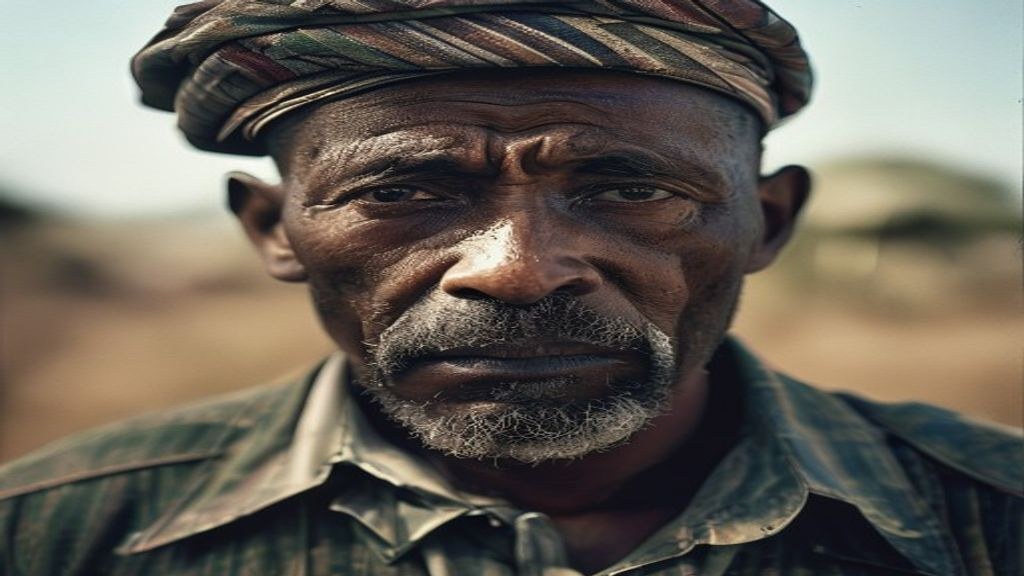
Eish, remember the ‘askaris’ of the 80s? The man who helped the apartheid regime hunt its own… is now facing 15 counts of murder, and this case is going to rip open old wounds, bru. Joe Mamasela, a name that will send shivers down the spines of many, is back in the spotlight, and it’s not for a lekker reason. This isn't just a court case; it’s a reckoning with a past South Africa desperately tried to bury.
## Who *Was* Joe Mamasela, Anyway?
Joe Mamasela wasn’t some faceless operative. He was a former member of the security police, and more specifically, an ‘askari’. Now, for the younger boets who weren't around during the struggle, an askari was a black South African who collaborated with the apartheid regime, often turning against their own communities to hunt down Umkhonto we Sizwe (MK) operatives and anti-apartheid activists. It was a deeply divisive role, fuelled by desperation, coercion, or, in some cases, genuine belief in the system. Mamasela, specifically, was instrumental in a series of high-profile arrests and killings. The methods? Let’s just say they weren’t exactly by the book. Think betrayal, torture, and a complete disregard for human life. It’s a kak history, and one we need to confront head-on.
## 15 Counts of Murder: The Allegations
The charges are heavy, bru. Fifteen counts of murder. These aren’t allegations from some dusty old archive; these are accusations linked to specific deaths of anti-apartheid activists. The timeframe of these alleged crimes isn’t pinpointed in the information available, but the implication is clear: Mamasela is accused of directly contributing to the deaths of those fighting for a free South Africa. The victims? Their names deserve to be remembered, but details are scarce at this stage. This isn't about a stolen Toyota Corolla from Takealot; this is about lives extinguished during a brutal period in our history.
## Askari Tactics: What Did These Guys Actually *Do*?
Let's not beat around the bush. Askari tactics were dirty. They involved infiltrating liberation movements, gathering intelligence, and setting up ambushes. But it went beyond that. The information available suggests torture was commonplace. These weren't clean operations; they were designed to break people, to extract information, and to sow fear within communities. They exploited existing tensions, played on vulnerabilities, and ultimately, betrayed the trust of those they once lived amongst. Imagine being a comrade, fighting for freedom, only to discover your neighbour was working for the very system you were trying to dismantle. Jislaaik. It’s a chilling thought.
## Why Now? Why Is This Case Coming Up After All These Years?
Good question, boet. Why now? After decades of silence, why are these charges being brought forward? The answer is likely multi-layered. Renewed investigations into apartheid-era crimes have been ongoing for some time, spurred by calls for accountability and a desire to finally address the injustices of the past. Changing political climates also play a role. As the generation that lived through apartheid ages, there’s a growing urgency to ensure these crimes aren’t forgotten. The pursuit of justice, however delayed, is still a pursuit worth undertaking. It’s a slow burn, this process, but it’s happening.
## The Ghosts of the Past: What This Means for South Africa
This case isn’t just about Joe Mamasela; it’s about South Africa’s collective memory. It’s about confronting the demons of our past and acknowledging the pain inflicted on countless individuals and communities. It forces us to ask uncomfortable questions about reconciliation, forgiveness, and the possibility of truly moving forward. Is true reconciliation even possible when so many wounds remain unhealed? Can a nation built on such deep divisions ever truly heal? It’s a tough pill to swallow, and one that will likely cause significant friction. You'll hear the arguments on both sides, from Sandton boardrooms to Durban beachfronts.
## Justice Delayed? Is Justice Denied?
Prosecuting crimes committed during apartheid is a logistical nightmare. Evidence is scarce, witnesses are often deceased or unwilling to come forward, and memories fade with time. Gathering sufficient proof to secure a conviction is a monumental task. There's also the question of fairness. Can Mamasela receive a fair trial after all these years? Will the legal system be able to provide him with due process, even given the gravity of the allegations? These are legitimate concerns, and they highlight the inherent challenges of bringing closure to a dark chapter in our history. The whole thing feels befok complicated.
## What Happens Next? The Road Ahead
The legal process will be lengthy and complex. Mamasela will face a trial, where the prosecution will attempt to present evidence to prove his guilt beyond a reasonable doubt. He will have the opportunity to defend himself and challenge the allegations against him. The outcome of the trial is uncertain, but the impact of the case will be felt far beyond the courtroom. It could open the door to further investigations into apartheid-era crimes and potentially lead to more prosecutions. It could also reignite debates about amnesty, forgiveness, and the ongoing struggle for justice.
This case is a stark reminder that the past isn't really past. It’s a shadow that continues to loom over South Africa, and one that we must confront with honesty and courage. The pursuit of justice, however delayed, is a moral imperative.
Ultimately, the Mamasela case is a brutal illustration of the enduring legacy of apartheid. It’s a reminder that accountability is crucial, even decades after the fact. We need to hold those responsible for atrocities accountable, not for revenge, but for the sake of truth and reconciliation.
But here’s the real question: can South Africa truly reconcile with its past while simultaneously pursuing justice for its victims? Click here to find out what the experts are saying about the future of restorative justice in a post-apartheid South Africa.