news
1
15,000 Malawians Told To Pack Their Bags: What This Means For SA Jobs & Your Wallet
June 27, 2026
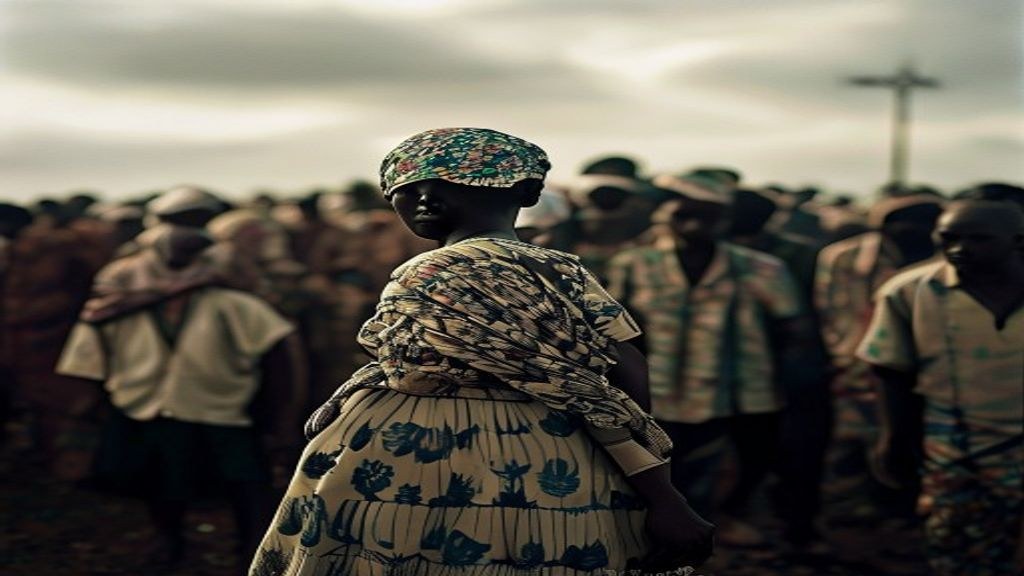
Eish, over 15,000 Malawian nationals are being processed for deportation – and while some will shout 'good riddance', the real story is way more complicated than you think, bru. eNCA is reporting the scale of this thing, and it's not small potatoes. We’re talking a serious potential ripple effect through the economy, and ultimately, your wallet. This isn’t just about border control; it's about the food on your braai, the price of your Checkers shop, and whether we’re actually making things harder on ourselves. Let’s unpack this kak.
## So, What's Actually Going On Here?
The South African government is currently processing over 15,000 Malawian nationals for deportation. Jislaaik, that’s a lot of people. The official line? Issues with documentation and illegal immigration. Now, look, nobody’s advocating for a free-for-all, right? But 15,000? That’s not a trickle; that’s a flood. It’s a massive operation, and it’s happening now. The implications are huge, and frankly, a lot of people aren't thinking beyond the headlines. It’s easy to get caught up in the “they should go home” rhetoric, but let’s be real – this is going to impact us all in ways we haven’t even considered yet.
## The Sectors That Are About To Feel The Pain
Forget the politicians for a sec and think about where these people *work*. Agriculture, particularly in the Western Cape – the fruit and wine farms – is going to be hammered. Construction sites, too. Then there’s the domestic work sector, and security. These aren’t jobs South Africans are exactly lining up for, let’s be honest.
Think about it: who’s picking the grapes for your weekend wine? Who’s building the new apartments in Sandton? Who’s keeping your house safe while you’re at the Boks game? A huge chunk of that work is done by Malawian nationals. Suddenly remove 15,000 people from that workforce, and you’re staring down the barrel of serious labour shortages. This isn’t some abstract economic theory; it’s going to translate into real-world problems.
## Will Your Groceries Cost More? (Seriously)
Okay, let's talk about the braai. Your weekend boerewors and chops aren't immune to this. Labour shortages in agriculture *always* mean higher food prices. It’s basic economics, bru. If it costs more to get the food from the farm to the shelf, you – the consumer – pay the price.
We're likely to see increases in the price of fruit and vegetables, especially. Imagine walking into Checkers or Pick n Pay and finding that your usual shop is suddenly R200, R300 more expensive. That's not scaremongering; it's a very real possibility. Even a slight increase in the cost of produce adds up over a month, especially for families. This isn't just about fancy avocados; it's about the staple foods that put food on the table.
## The 'Skills' Argument: Are We Losing Valuable Workers?
Here's where it gets tricky. Some will say, “Good, they’re taking jobs from South Africans!” But what about the skills gap? Are we being short-sighted? Many Malawian nationals fill roles that South Africans simply aren’t skilled or willing to do. This isn’t about devaluing South African labour, it’s about recognizing reality.
We need plumbers, electricians, farmworkers, security guards… and sometimes, those people come from other countries. To just boot 15,000 people out without considering the impact on these crucial sectors feels… well, kak. It feels like we’re actively making it harder for our own economy to function.
## What Does This Say About SA's Immigration Policy?
Let’s be real, South Africa’s immigration system is a mess. It's bureaucratic, slow, and often unfair. Is the current system working? Absolutely not. Is it fair? Debatable. Is it sustainable? Definitely not. The political sensitivities around immigration are huge, but we can’t just ignore the economic realities.
We need a system that’s both secure and efficient, one that protects our borders *and* recognizes the value that immigrants bring to our economy. Right now, we have neither. This deportation isn’t a solution; it’s a symptom of a much deeper, more systemic problem.
## The Bigger Picture: How Does This Compare To Other Countries?
Look at the US, for example. They’re facing their own immigration challenges, but their approach is… different. It’s not perfect, by any means, but they’re generally more focused on managing the flow of immigrants rather than simply deporting large numbers of people. Canada also has a points-based system designed to attract skilled workers.
South Africa seems to be swinging wildly between extremes – either open borders or mass deportations. There’s no middle ground, no nuanced approach. We need to learn from other countries, both their successes and their failures.
## What Happens Now? And What Can *You* Do?
The deportation process is underway, and legal challenges are likely. There will be appeals, delays, and a whole lot of uncertainty. The next few months will be critical.
What can *you* do? Talk about this. Engage in constructive dialogue. Don’t just accept the headlines at face value. Challenge your own assumptions. And demand that our politicians come up with a sensible, sustainable immigration policy that benefits *all* South Africans.
This whole situation is a mess, bru. A complicated, frustrating mess. The deportation of 15,000 Malawian nationals is a short-sighted solution to a long-term problem. It will hurt our economy, drive up prices, and ultimately, make life harder for all of us.
The verdict? We're shooting ourselves in the foot, and it's going to cost us all.
But here’s the real question: is South Africa ready to face the consequences of a shrinking workforce and a rising cost of living? Click here to find out how load shedding is *also* impacting your wallet and what you can do about it.