tech
5
Australia Tried to Ban Teens From TikTok – It’s a Kak Show, Bru
Alpha South Editorial Team
July 07, 2026
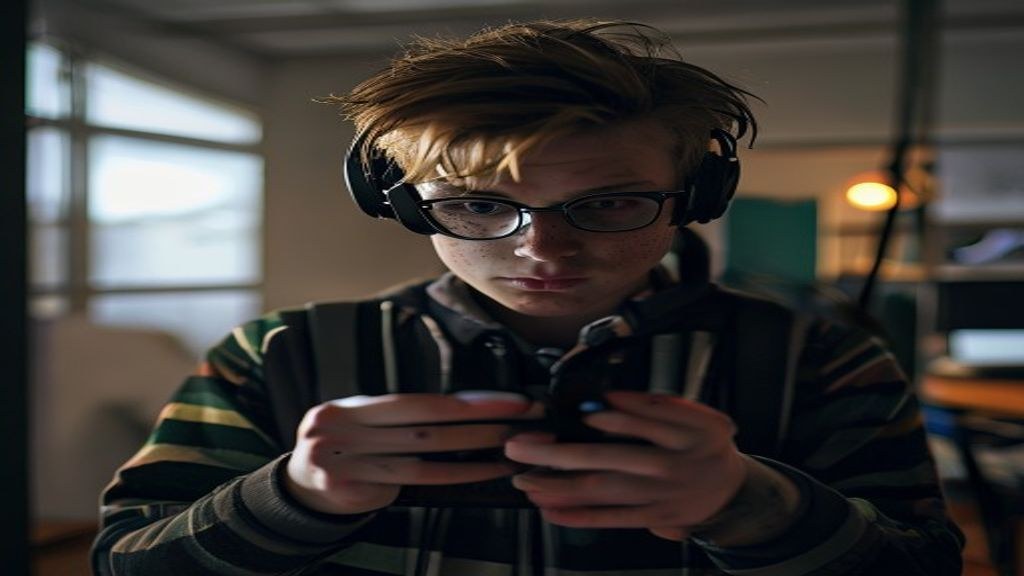
Australia just tried to pull off a world-first: kicking under-16s off social media. Turns out, it’s about as effective as trying to stop load shedding with a candle – a complete befok. They aimed for a digital fortress to protect the youth, and what they got was a sieve. A new study shows these platforms aren’t even *trying* to verify ages, leaving kids free to scroll and potentially get exposed to kak content. This isn’t just an Aussie problem, bru. It raises serious questions about whether a similar approach would even fly here in Mzansi.
## So, What Exactly Did Australia Try to Do?
From December last year, Australia rolled out new laws demanding that platforms like Instagram, Snapchat, and YouTube block anyone under 16 from having accounts. The idea was simple enough: “reasonable steps” to comply, with the government suggesting a multi-layered approach to age checks. Sounds lekker on paper, right? The government even warned they'd come down hard on platforms not following the rules. But as we’ll see, it's been a bit of a disaster. The rollout has faced “near-constant reports of non-compliance” and the government even doubled the maximum fine after the initial attempts flopped.
## The Big Problem: No One's Asking for ID, Bru
Here’s where it gets properly kak. A team of testers – the same team who advised the government on the rollout – found that platforms weren’t even *bothering* to ask for age proof. They opened 50 test accounts, declaring each one as being 16 years old, and… nothing. Zilch. Zero verification. Andrew Hammond, director at testing firm KJR, put it bluntly: “You should be asked to demonstrate how old you are, and not once have we been asked to verify our age or use age-assurance measures.”
Think about that for a sec. It's like walking into Checkers and being allowed to buy booze without showing ID. Befok! All 50 of these test accounts are still active, spread across nine of the ten platforms subject to the restrictions, including TikTok, Instagram, Snapchat and YouTube.
## Porn, Banking Apps & Dodgy Ads: What Happens When Kids Slip Through
This isn’t just about kids accessing content their parents might not approve of. It's about real risks. Some of the dummy accounts actually received advertisements for *youth banking products*, meaning the platforms registered them as being in a younger age range. Even worse, one account claiming to be 16 on Elon Musk’s X (formerly Twitter) was served up pornographic content. Jislaaik.
This isn’t some theoretical concern. It’s kids being targeted with inappropriate content and potentially vulnerable offers. It's the digital equivalent of leaving the gate open at the zoo.
## The Platforms' Defence: 'It's Complicated, Okay?'
So, what are Meta, TikTok, and the others saying? Well, mostly they're saying “it’s complicated.” Meta claims the study by Hammond is “inconsistent with the regulator’s guidance of escalating ‘to formal age verification when behavioural indicators suggest they may be underage, or when an account is reported’”. They also added that the dummy accounts were declared as over the minimum age and it was unclear if they had “posted content or engaged in a way a true under-16-year-old user would”.
Snap and TikTok didn’t comment at all. Google and X didn't even respond to requests for comment. Typical. Kick, an Australia-based live-streaming platform, was the only one to actually refuse to let users create an account without proof of age.
The eSafety commissioner, Australia’s regulator, remains “confident that age-restricted platforms have the technology and resources they need to prevent Australian children under 16 from having accounts.” But that confidence feels… misplaced, to say the least.
## Is This a Warning for South Africa?
Should we even *think* about copying Australia’s approach here in SA? I’d say a resounding no, at least not without fixing the fundamental flaws. We have enough problems with online safety as it is, from scams to cyberbullying. Trying to implement a ban that doesn’t work is just going to waste time and resources.
Plus, let’s be real. The internet is a global thing. Kids here are already finding ways around restrictions on other platforms. A half-baked attempt at a ban is just going to push them towards even less regulated spaces. Imagine trying to enforce this during load shedding – it's a kak show waiting to happen.
## The Future of Age Verification: What Could Actually Work?
The problem isn't the *intention* behind the ban, it’s the execution. Relying on platforms to self-regulate clearly isn't working. We need more robust age-assurance software, but that comes with privacy concerns. Platforms are prohibited from relying solely on government-issued identification “due to privacy concerns”.
Some advisors to the original trial warned that testing lacked real-life circumvention, including under-16s entering false birthdates. Colm Gannon, Australia CEO of the International Centre for Missing & Exploited Children, pointed out that "circumvention has become the go-to by young people.”
Amanda Third, a youth digital rights academic, suggests we may see more impressive statistics once the platforms escalate to age inference methods by mid-year. But even then, it’s a cat-and-mouse game.
**The Verdict:** Australia’s attempt to ban under-16s from social media is a spectacular failure. It’s a prime example of good intentions paving the road to befok. We need to learn from their mistakes. Simply banning kids won’t solve the problem; it will just drive it underground. We need a smarter, more nuanced approach to online safety that prioritizes real verification, robust protections, and ongoing monitoring.
So, is the solution a national ID system linked to online accounts? Or is there a way to balance safety with privacy? That’s what we’ll be diving into next.
Based on reporting by
https://techcentral.co.za/worlds-first-teen-social-media-ban-is-failing/283471/