money
1
SA’s Car Industry is on Life Support – And Your Next Bakkie Could Pay For It
Alpha South Editorial Team
July 09, 2026
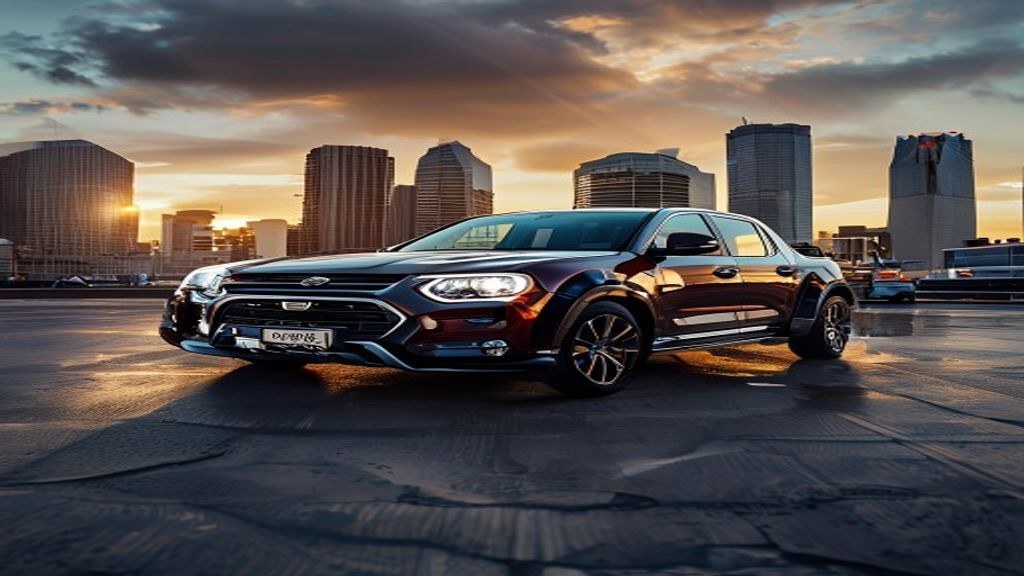
Forget load shedding, the biggest threat to your next car isn’t Eskom – it’s the R60 billion question of whether government support for the auto industry is actually working, or just kicking the can down the road. We’re talking about your next bakkie, your aunt’s SUV, and the livelihoods of hundreds of thousands of South Africans hanging in the balance. It’s a kak situation, and someone needs to say it like it is.
## The R60 Billion Elephant in the Room: Breaking Down the Schemes
So, what’s this R60 billion all about? It’s the approximate cost of the Automotive Production Development Programme (APDP) and its current iteration, the APDP2. This isn't free money, bru. It’s taxpayer funds – the same funds that could be fixing potholes, sorting out the electricity mess, or, you know, just generally making life a little less befok.
The APDP2 offers incentives to vehicle manufacturers to produce cars *here* in South Africa. Think tax breaks, duty-free imports of components, and generally making it more attractive than, say, setting up shop in Poland. The idea is simple: keep the factories running, keep people employed, and keep the economy ticking over. But is it working? That’s the R60 billion question. And frankly, the answers aren’t lekker.
## Global Pressure: Why Everyone's Gunning for Our Car Industry
South Africa isn’t alone in wanting a slice of the automotive pie. The world is getting crowded, and the competition is fierce. You’ve got China churning out cars at a rate that’ll make your head spin, the EU tightening emissions standards (more on that later), and the US flexing its industrial policy muscles.
This isn’t just about price, either. It’s about speed to market, technological innovation, and access to raw materials. We’re talking about a global shift towards electric vehicles (EVs), and South Africa is, to put it mildly, lagging. Other countries are offering massive incentives for EV production – we’re talking about *billions* of US dollars – while we’re still arguing about whether to subsidize internal combustion engines. Jislaaik.
## Bakkie Nation: Why SA Loves Double Cabs (And Why That Matters)
Let's be real, South Africa has a… unique relationship with bakkies. We don't just *need* them, we *love* them. Whether you’re a farmer heading to market, a contractor hauling building materials, or a family going on a weekend getaway to the Durban beachfront, the double cab bakkie is king.
This obsession matters because it shapes what manufacturers are willing to build here. Why bother investing in a fancy sports car factory when you can reliably sell every single Hilux or Ranger that rolls off the production line? This means our automotive industry is heavily skewed towards bakkies and SUVs, which isn’t necessarily a bad thing, but it limits our diversification and makes us vulnerable to shifts in global demand.
## Ford vs. Toyota: The Hilux & Ranger Battle – And What It Tells Us
Let's take the Ford Ranger and Toyota Hilux, two of the biggest players in the bakkie game, as examples. Both benefit from the APDP incentives, but in different ways. Ford invested heavily in its Silverton plant in Pretoria, promising increased production and job creation. Toyota, meanwhile, has a long-established presence in South Africa and a reputation for reliability that’s legendary.
The incentives help keep the price of these vehicles competitive, but they also create a dependence on government support. If the incentives were to disappear tomorrow, both Ford and Toyota would have to reassess their operations in South Africa. And let’s be honest, the price of your next Ranger or Hilux would likely go up – significantly.
## Electric Dreams or Petrol Reality? The EV Problem
This is where things get seriously tricky. The world is going electric, but South Africa is stuck in first gear. EV sales are a tiny fraction of the overall market, and there’s a severe lack of charging infrastructure. The APDP2 offers some incentives for EV component manufacturing, but they’re nowhere near enough to attract significant investment.
We’re essentially destined to be importers of EVs for the foreseeable future, meaning we’ll be reliant on other countries for this critical technology. That’s not a lekker position to be in, and it raises serious questions about the long-term sustainability of our automotive industry. Imagine trying to convince a global EV manufacturer to set up a factory in a country with unreliable electricity supply and a limited charging network. Good luck with that.
## So, Is It Worth the Rands? A Brutal Assessment
Okay, let’s cut the kak. The current level of automotive support is… unsustainable. R60 billion is a lot of money, and the return on investment is questionable. While the APDP has undoubtedly saved jobs and attracted some investment, it’s also created a system of dependency and stifled innovation.
We’re propping up a sector that’s facing massive global disruption, and we’re doing it with taxpayer money. The focus needs to shift towards attracting investment in *new* technologies, like EV manufacturing and battery production. We need to create a regulatory environment that encourages innovation and fosters a competitive market. Continuing down the current path is just kicking the can down the road, and eventually, the road will run out.
## What Happens Next? The Future of SA’s Car Industry
The future is uncertain, but here are a few possible scenarios:
* **Overhaul:** A complete revamp of the APDP, with a focus on EVs and green technologies. This would require significant investment and a long-term commitment from the government.
* **Gradual Decline:** A slow phasing out of incentives, leading to a decline in local production and increased reliance on imports. This is the most likely scenario if we continue on our current trajectory.
* **Niche Player:** South Africa carves out a niche in the global market, focusing on specialized vehicles or components. This would require a targeted approach and a willingness to embrace innovation.
The choice is ours. But we need to make a decision – and fast. Because if we don’t, your next bakkie might just be the last one made in South Africa.
Now, are we really willing to let that happen? Or is it time to get serious about securing the future of our automotive industry – and our economy?
**Click here to find out how load shedding is *really* impacting the price of your groceries.**