news
18
What Roelf Meyer told Trump after arriving at the White House
May 22, 2026
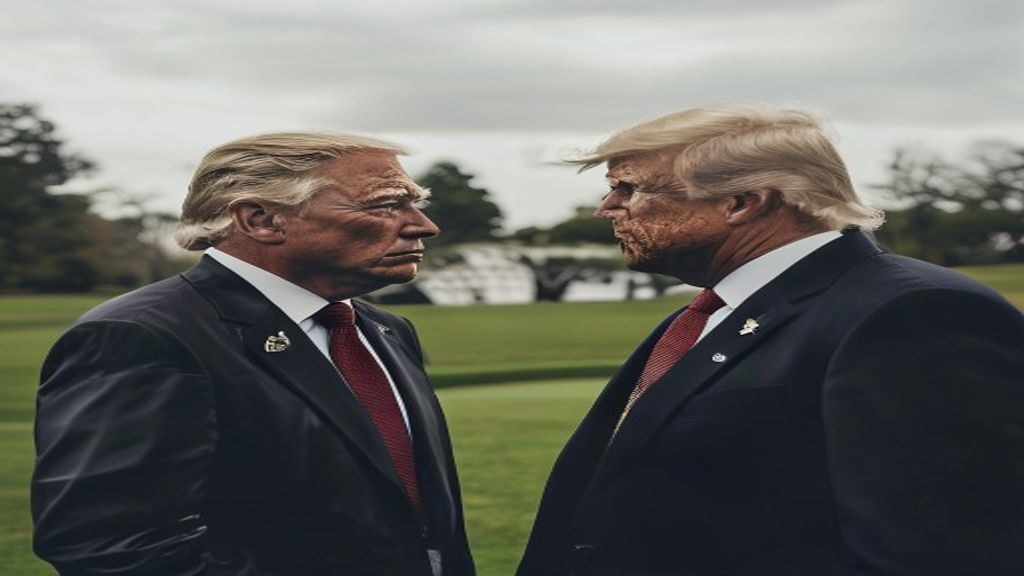
While South Africa battles load shedding and a struggling economy, our new ambassador to the US, Roelf Meyer, just had a chat with Donald Trump – and the first thing the ex-President asked wasn't about trade deals, it was about his golf game. Jislaaik. You’re telling me, while we’re trying to navigate a befok economic situation, the first order of business with the former leader of the free world is a discussion about birdies and bogeys? It’s…something. But hey, maybe a shared love of the green is the key to unlocking a lekker future for SA-US relations. Let’s unpack this.
## So, What Exactly Did Meyer Tell Trump?: A breakdown of Meyer's core message to the US President – it's all about the money, bru.
Roelf Meyer’s official start as ambassador involved presenting his credentials to Donald Trump at the White House on Thursday, formally replacing Ibrahim Rasool. The core message? Improving relations to boost trade, investment, and ultimately, economic growth. Simple enough, right? Meyer described the reception as “warm and cordial”, which, let’s be real, is diplomatic speak for “didn’t throw any Twitter tantrums at me”.
He and his team have a clear mandate from South Africa’s Government of National Unity. Meyer explained they’re there “to represent South Africa and all the people of South Africa, all the parties in the government of national unity from whom we had the authority and the mandate to come to Washington.” Sounds like everyone back home is aligned, which is a good start. The bottom line is, Meyer is focused on removing “the hurdles, the impediments” to a stronger economic relationship. Because, as any braai boet knows, more money in the system means more biltong for everyone.
## The 'Five Asks': What's America Still Worried About?
Turns out, those whispers about farm attacks and land policy haven't gone away. Meyer acknowledged that issues relating to Afrikaner refugees formed part of earlier diplomatic discussions, referring to what he described as the “five asks” raised in previous engagements between the United States and South Africa. These include concerns around land policy, farm attacks, political expression and trade-related regulations.
It’s a kak situation, frankly. We’ve got our own internal problems to sort out, and constantly having to defend ourselves on these issues to international partners is a drain. Meyer’s got a tricky balancing act ahead of him. He needs to address these concerns head-on, but also steer the conversation towards the things that *actually* matter for economic growth.
## Perception is Reality: Why Meyer's Got a PR Battle on His Hands
It’s not just about *what* is happening in SA, it's about how America *thinks* it's happening. Meyer understands this. He said, “Often policies and positions and decisions are taken on the basis of perceptions. And if there are wrong perceptions, we have to address it.”
This is a huge deal. You can have the best trade deals in the world, but if the US public – and more importantly, the US politicians – believe South Africa is a chaotic mess, investment will dry up faster than a dam in the Karoo. Meyer needs to be a master of PR, a narrative shifter, a kak-buster of epic proportions. He's essentially got a full-time job managing America's image of South Africa. It's not lekker, but it's vital.
## Golf, Politics & Personal Vibes: The Art of Diplomacy
Turns out building relationships isn't just about trade agreements. It's about finding common ground – even if that common ground is a golf course. Trump, during the credential ceremony, asked Meyer “whether I’m playing golf.” Meyer, sadly, had to admit he wasn’t.
But the fact that Trump even *asked* is significant. Meyer himself acknowledged that diplomacy requires engagement “beyond politics and trade, including broader relationships at a personal level.” It highlights that international relations often start “at the personal level”. Think about it: a shared round of golf might be less about lowering scores and more about building trust. It’s a subtle game, but a crucial one.
## What Does This Mean for South Africa's Economy?
Can Meyer unlock investment and boost trade? That’s the million-rand question, or rather, the US$1 trillion question (because we’re following the rules, bru). Meyer’s core focus is on removing obstacles to economic cooperation, which he believes is “essential for growth and creating jobs.”
He's not promising overnight miracles, but he’s laying the groundwork for a more fruitful relationship. If he can successfully navigate the political minefield and address those pesky "five asks", we could see a significant influx of investment. That translates to more opportunities for businesses, more jobs for South Africans, and a stronger economy overall. Let’s hope he can deliver.
## The Assessment Phase: What Happens Now?
Meyer's team is hitting the ground running, assessing the current state of play. He plans to spend the next “two or three weeks” doing “a lot of preparatory work” before reporting back to government. He wants “a clear picture of what matters in terms of their concerns” from the US authorities. He’s playing it smart, taking a measured approach. He's not going to jump to conclusions or make rash statements; he’s going to gather information, analyze the situation, and then formulate a strategy.
Ultimately, Meyer is walking a tightrope. He needs to manage perceptions, address legitimate concerns, and unlock economic opportunities. It’s a tough job, but someone’s gotta do it.
**The Verdict:** Roelf Meyer has a monumental task ahead of him. He’s stepping into a complex situation with a lot of baggage. But his focus on economic growth, his understanding of the importance of perception, and his willingness to engage on a personal level give him a fighting chance. It’s too early to say whether he’ll succeed, but he’s starting from a position of strength.
Now, with all this talk of international relations and economic growth, are we overlooking the real problem? Is our reliance on foreign investment actually holding us back, and should we be focusing on building a stronger, more self-sufficient economy from within? Click here to find out what the experts are saying.