news
18
BRICS+ Series: Sovereignty is not xenophobia
May 22, 2026
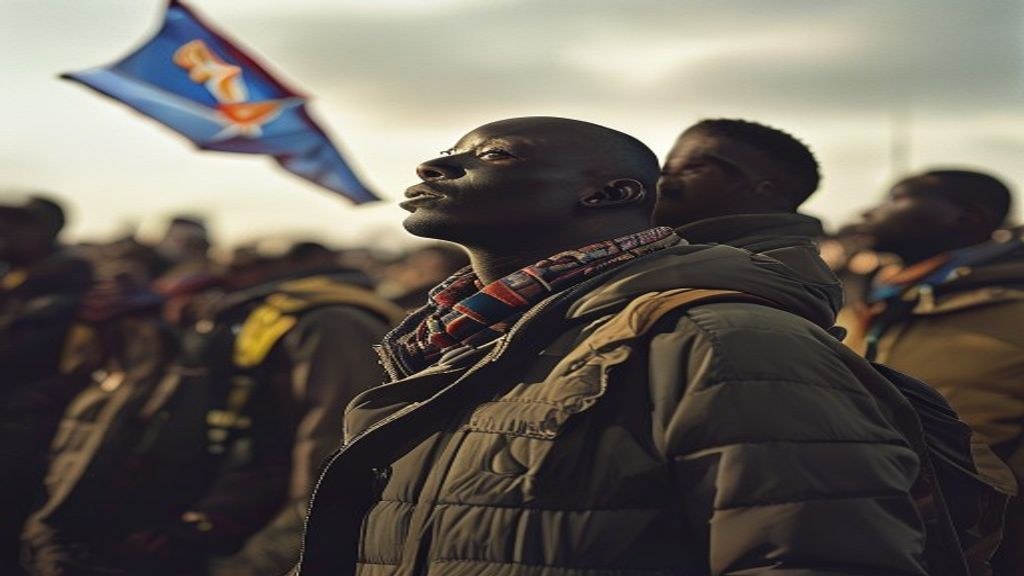
Jislaaik, Ghana offered a full repatriation package – flights, cash, job assistance – to its citizens in South Africa, but only *one* person actually showed up at the airport. That tells you everything. This whole situation, with Ghana flapping its wings about “xenophobia” here, smells like a diplomatic play, bru. A play designed to score points while conveniently ignoring South Africa’s very real problems. Let's unpack this kak.
## So, What’s Ghana’s Game?
Ghana’s Ministry of Foreign Affairs announced a planned evacuation of “over 800 Ghanaian nationals” from South Africa, eventually postponing it due to bureaucratic hurdles – flight permits, passenger screening, the usual befok. Their Foreign Affairs Minister, Samuel Okudzeto Ablakwa, declared the welfare and safety of Ghanaians a “non-negotiable priority,” framing the whole thing as a “rescue operation.” But let’s be real. Is South Africa actually the aggressor here, or just a sovereign state trying to manage its borders? The optics are striking, sure, but the politics are way more dodgy. Ghana’s trying to position itself as the protector of its citizens, while conveniently sidestepping the core issue: South Africa’s economic reality.
## 43% Unemployment: The Elephant in the Room
South Africa isn’t exactly rolling in dough, bru. Since 2024, the unemployment rate has exceeded 43 percent. That’s not just a statistic; that’s a generation locked out of the economy. New research from the Human Sciences Research Council confirms that anti-immigrant sentiment has risen most sharply among poor and working-class South Africans, driven by the rising cost of living, deindustrialisation, and concerns over crime. Imagine trying to make ends meet, seeing competition for scarce jobs, and then being told you’re “xenophobic” for voicing your concerns. It's a lekker recipe for frustration.
When a country with nearly half its workforce unemployed asks for documented proof of residency, that’s not hatred, it’s governance. It’s trying to manage a crisis. You think the UAE gets a pass for its *kafala* system? No one’s calling them xenophobic, yet South Africa is held to a standard of open borders that no one else on earth is expected to meet.
## Home Affairs is Kak: The Real Problem
The honest truth isn't that South Africans are racist. It’s that the Department of Home Affairs can't even tell us how many undocumented migrants are in the country! That institutional failure is the real problem. It creates a vacuum, breeds frustration, and provides fuel for anyone wanting to stir up trouble. Civil society organisations point out that this dysfunction affects everyone – South Africans *and* foreign nationals. The lack of clear documentation pathways creates the very conditions that exploiters thrive in.
This isn't about hating foreigners; it's about fixing a broken system. We need investment in Home Affairs, digital border management, and a functional asylum process. What we *don’t* need is to accept the “xenophobia” label every time we try to enforce the law. The South African government rightly frames citizen demonstrations as a constitutional expression of socio-economic grievances – and that's not just diplomatic spin. It’s a meaningful distinction.
## Is South Africa Being Held to a Double Standard?
Look, let's be real. Post-Brexit Britain doesn't exactly throw open its borders. The Gulf Cooperation Council countries have pretty strict rules about who can work there. Yet South Africa’s immigration policies are scrutinised through a completely different lens. Why? Is it because we're an African country? Is it because we’re expected to be more “welcoming”? It feels like we’re being held to a standard that no one else is expected to meet. It’s a bit unfair, isn’t it? You won't catch anyone calling the UAE xenophobic for its labour practices, but South Africa gets slammed for trying to protect its own citizens.
## The Soft Power of Victimhood: Ghana’s Pan-African Play
Ghana is offering evacuating citizens a pretty generous package: transportation assistance, a reintegration allowance, free psychosocial support, and entry into a national database for jobs and startup opportunities. It's a good look, politically. But Ghanaian citizens on social media are already asking a valid question: why do people leaving South Africa get these benefits when unemployed youth at home don't?
The answer is simple: this is about optics and continental positioning. President Mahama’s Ghana is building a Pan-Africanist brand, and South Africa has become a convenient foil. But the whole framing falls apart under scrutiny. If things were *so* bad here, why did only one person show up at OR Tambo International Airport on the day of the scheduled departure? Eight hundred registered, one arrived. That’s not the behaviour of people fleeing persecution, it’s people weighing a difficult choice.
## Sovereignty Isn’t Xenophobia: A Simple Truth
Every functioning state has the right to enforce its immigration laws, protect its labour market, and require documentation. South Africa’s economic conditions, unemployment levels, and service delivery challenges make the migration question particularly acute. Public distrust of undocumented migrants has climbed from 62.6% in 2021 to 73.1% in 2025, not because South Africans have become more hateful, but because the pressures on public services, housing, and employment have intensified.
South Africa doesn’t owe the continent an open door at the expense of its own citizens. What it owes is a functional, humane, and legally consistent immigration system – one that distinguishes between documented residents who contribute and undocumented migration that strains an already fractured state. Ghana’s evacuation isn’t a rescue; it’s a narrative. And South Africa shouldn’t accept a villain’s role in a story it didn’t write.
## What Does This Mean for the Average Boet?
This whole saga highlights the urgent need for a functional immigration system. We need to be able to control our borders, process asylum claims efficiently, and enforce the law consistently. It’s not about hating foreigners; it’s about protecting our own. It’s about ensuring that everyone who lives and works here – regardless of their origin – contributes to our economy and respects our laws. It’s about making sure we have enough biltong to go around, bru.
**The verdict?** Ghana’s evacuation attempt was a thinly veiled diplomatic manoeuvre, exploiting South Africa’s legitimate struggles with unemployment and a dysfunctional Home Affairs department. It’s time to stop accepting the “xenophobia” label and start focusing on fixing our own house.
But here’s the real question: with load shedding crippling our economy and businesses struggling to survive, can South Africa *afford* to address the Home Affairs crisis and create a truly functional immigration system? Click here to find out if we’re heading for a full-blown state capture 2.0.
Based on reporting by
https://iol.co.za/news/brics/2026-05-22-brics-series-sovereignty-is-not-xenophobia/