cars
1
Toyota Hilux 2024: Is This SA's New Bakkie King?
June 25, 2026
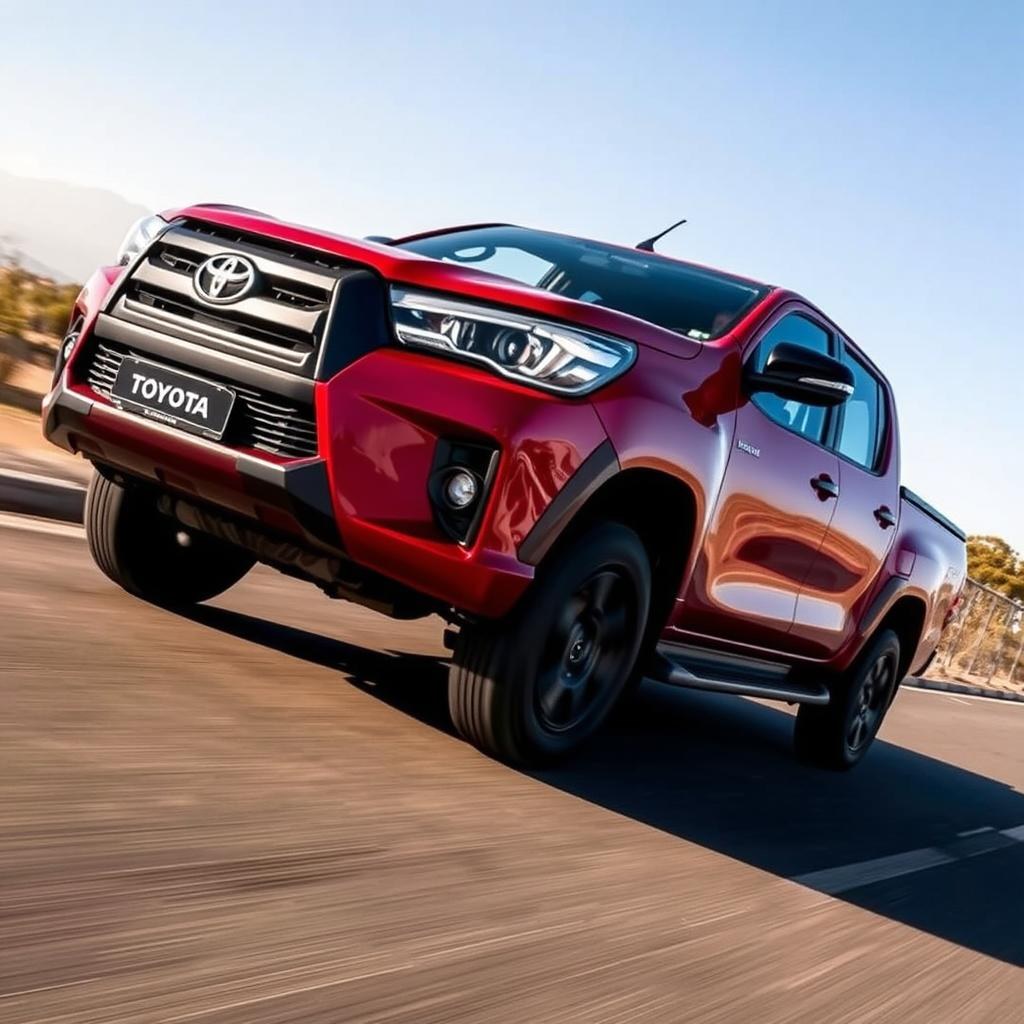
Forget load shedding worries, bru – the *real* national crisis is deciding which Hilux spec to buy, and Toyota just threw a whole new wrench into the works. This isn't just a bakkie; it's a national obsession. And Toyota knows it. They’ve given the Hilux a serious refresh, and we’re here to break down if it’s actually worth ditching your current steed for. Because let’s be honest, a bakkie isn’t just transport in this country; it's a lifestyle.
## So, What's Actually Changed?
Okay, let's get into the aesthetics. Toyota hasn't gone completely wild with the design, which, for some, is a good thing. It's still recognizably a Hilux, which is important for the boet who doesn’t want to explain his new ride to his mates. The front grille is new, a bit bolder, and the headlights have been tweaked. It’s not a full-on glow-up like you see with some of the competition, but it's a definite refinement.
Inside, things are a little more interesting. Toyota’s finally started taking the cabin seriously. They’ve upgraded the materials, and the layout is cleaner. It's still not going to rival the plush interiors of a Sandton penthouse, but it’s a damn sight better than the previous generation. It's about time, Toyota. We’re not all just hauling mielies here, some of us want a bit of comfort with our practicality.
## Under the Bonnet: More Power, or Just More Hype?
This is where things get tricky. Toyota’s been tight-lipped about *major* engine changes. They’ve focused on refining what they already have, aiming for better fuel efficiency and lower emissions. Which, look, is fine. We all want to be a bit kinder to the planet. But does it translate to more grunt?
The engine options remain largely unchanged. You’ve still got your 2.4-litre diesel, your 2.8-litre diesel, and the petrol options. Toyota hasn't released specific power figures for the updated models, so we're relying on what we already know. They've tweaked the engine management systems, which *should* result in a slight improvement in performance. But let's be real, we're not talking about a massive power boost here. It's more about squeezing every last bit of efficiency out of the existing engines.
## Tech Time: Does the Hilux Finally Catch Up?
For years, Toyota’s tech has been… lagging. It felt like driving a befok phone from 2010. But this update brings some much-needed improvements. The infotainment system is new, and it’s actually usable. It's got Apple CarPlay and Android Auto, which is a massive win.
They’ve also added a bunch of new safety features, like lane departure alert and adaptive cruise control. It's still not quite on par with the Ford Ranger’s full suite of driver-assistance tech, but it’s a significant step in the right direction. Toyota’s been playing catch-up, and they’re finally starting to close the gap. It’s about time they realized we want more than just a reliable engine; we want a connected experience.
## Price Tag Reality Check: Will It Befok Your Budget?
Okay, the moment of truth. How much is this all going to cost you? Toyota hasn't released pricing for the full range yet, which is frustrating. But we can get a rough idea. Expect the base models to start around R489,900 and climb rapidly from there. The higher-spec double cabs with all the bells and whistles could easily push past the R700,000 mark.
Is it worth the extra rands? That depends on your needs. If you’re a weekend warrior who just needs a reliable bakkie for trips to the hardware store and the occasional braai, the base models will probably suffice. But if you’re a businessman who spends long hours on the road, or you need a bakkie that can handle serious off-road work, you’ll need to spend more to get the features you need.
## Hilux vs. The Competition: Ranger, D-Max, and More – Who Wins?
The Hilux isn’t operating in a vacuum. The Ford Ranger is still the benchmark, offering a more powerful engine, a more refined interior, and a more advanced tech package. The Isuzu D-Max is a solid contender, offering a good balance of value and practicality. And then you’ve got the likes of the GWM P-Series, which is undercutting everyone on price.
Here’s a quick rundown:
* **Ford Ranger:** More power, better tech, higher price.
* **Isuzu D-Max:** Good value, reliable, slightly less refined.
* **GWM P-Series:** Cheapest option, but compromises on quality.
* **Toyota Hilux:** A good all-rounder, now with improved tech and a more refined interior.
The Hilux sits somewhere in the middle, offering a good balance of all these factors. It’s not the best at any one thing, but it’s a solid performer across the board.
## Is This Hilux Still The King of the Gravel?
The updated Hilux is a step in the right direction. Toyota has addressed many of the criticisms leveled at the previous generation, improving the interior, adding more tech, and refining the overall driving experience. But it's not a revolution. The Ford Ranger remains the king of the hill, offering a more complete package.
However, the Hilux still has a few aces up its sleeve. Its legendary reliability, its strong resale value, and its widespread availability of parts and service make it a compelling choice for many South African buyers. It’s a bakkie you can trust to get the job done, day in and day out. And in a country like South Africa, that’s a valuable asset.
## What This Means For You (And Your Weekend Braai)
Should you trade in your current bakkie for the new Hilux? That depends. If you’re happy with your current ride, there’s no urgent need to upgrade. But if you’re in the market for a new bakkie, the Hilux is definitely worth considering. It’s a solid, reliable, and now, reasonably well-equipped vehicle. It will enhance your weekend braai, especially if you're hauling the wood and the cooler box.
But the big question remains: with all the new competition heating up the bakkie market, are we heading towards a future where choosing a bakkie is even *more* stressful than dealing with Eskom?