news
3
Load Shedding's New Enemy: 10,000 Labour Inspectors Are Coming For Your Business
June 27, 2026
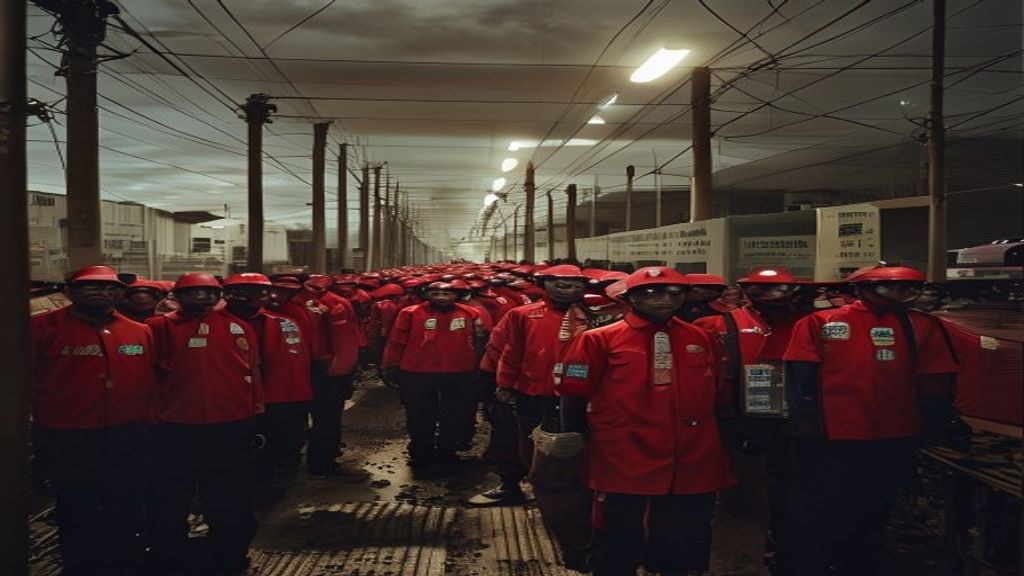
Forget Eskom, bru – a new wave of inspectors is about to hit SA businesses, and they're armed with fines that could cripple even a lekker operation. We're talking about a potential tsunami of red tape, and if you think you can just “sort it out later,” think again. The Department of Labour is deploying **10,000** new inspectors nationwide to enforce labour laws. This isn’t some half-baked plan; it’s a full-scale crackdown targeting everything from minimum wage compliance to workplace safety. Get ready for a serious shake-up, because ignorance is no longer an excuse.
## So, What's Actually Going On Here?
Right, let’s break this down. The government is saying this is all about protecting workers, making sure everyone gets a fair deal. Sounds good on paper, doesn’t it? But let’s be real – after years of state capture and kak governance, you have to wonder if there’s more to it. Is this a genuine attempt to improve working conditions, or just another way to squeeze money out of already struggling businesses?
The timing is…interesting. We're battling load shedding, the rand is taking a beating, and businesses are already operating on razor-thin margins. Dropping **10,000** extra sets of eyes on everything feels less like support and more like a shakedown. The Department of Labour hasn’t exactly covered itself in glory with efficiency in the past, either. You can bet there’ll be bureaucratic nightmares and, let’s be honest, opportunities for corruption.
## What Are They Looking For? (And How Much Will It Cost You?)
Okay, so what exactly will these inspectors be sniffing around for? Expect a deep dive into:
* **Minimum Wage:** Are you paying your staff at least the legal minimum? Don’t even think about cutting corners.
* **UIF:** Is your Unemployment Insurance Fund up to date? Those contributions need to be squeaky clean.
* **PAYE:** Pay As You Earn – another non-negotiable. Get your tax affairs in order, or prepare to pay.
* **Workplace Safety:** This is a big one. Are your premises safe? Do you have the necessary safety equipment and procedures in place? Think beyond just a fire extinguisher, bru.
* **Documentation:** This is where most businesses will fall down. Do you have all the required records? Employment contracts, payslips, training records… the list goes on.
And the fines? They could be substantial. While the source material doesn’t specify exact amounts, let’s be clear: non-compliance isn't cheap. We're talking enough to seriously impact your bottom line, potentially even forcing smaller businesses to close. Think about that lekker braai you were planning – it might have to wait.
## Your Business is on the Line: Which Industries Are Most at Risk?
Some sectors are going to be under more pressure than others. Here’s where the inspectors will likely be focusing their efforts:
* **Agriculture:** Historically, compliance in the agricultural sector has been…patchy. Lots of seasonal workers, informal arrangements, and a general lack of oversight.
* **Construction:** Another high-risk area. Safety standards are often compromised, and there's a high turnover of labour.
* **Hospitality:** Restaurants, hotels, guesthouses – all vulnerable. High staff turnover and reliance on minimum wage workers make them prime targets.
* **Small Businesses:** Let's be real, the mom-and-pop shops are the easiest targets. They often lack the resources to navigate complex labour laws. This is where it gets particularly kak.
These industries are often characterized by a lack of formal structures and a higher incidence of non-compliance. That makes them magnets for the new inspectors.
## Is This Just Another Kak Government Initiative?
Look, I’m not saying the intention is bad. Protecting workers is important. But the execution? That’s where things get dicey. We’ve seen too many government initiatives bogged down by red tape, inefficiency, and outright corruption.
Will these inspectors be properly trained? Will they be fair and impartial? Or will they be looking for any excuse to issue fines and make a name for themselves? And what about the impact on small businesses? We’re already struggling with load shedding and a weak economy. This could be the final nail in the coffin for many.
## How to Befok Your Compliance Game (Before They Knock)
Don’t wait for the inspectors to arrive. Take action *now*. Here’s how to get your house in order:
* **Self-Audit:** Conduct a thorough review of your labour practices. Identify any areas of non-compliance.
* **Employee Training:** Make sure your staff understand their rights and responsibilities.
* **Documentation:** Get your paperwork in order. Keep accurate records of everything.
* **Professional Help:** Consider hiring a labour law consultant. It's an investment, not an expense. Think of it like getting a financial advisor – it could save you a fortune in the long run.
Treat this like preparing for a Nando's order – you want to get it right the first time.
## The Big Picture: What Does This Mean for the South African Economy?
This crackdown could have significant economic consequences. Increased business costs, potential job losses, and a chilling effect on investment are all real possibilities. If businesses are forced to spend more on compliance, they’ll have less money to invest in growth and innovation.
This isn’t just about paperwork, bru. It’s about the future of the South African economy. And if the government doesn’t tread carefully, it could end up doing more harm than good.
## Nando's to Takealot: Who's Prepared (and Who's Not)?
Big companies like Nando's and Takealot likely already have dedicated compliance teams and the resources to handle this. They’ll probably breeze through these inspections with minimal disruption. But what about the smaller players? The spaza shops, the hair salons, the independent contractors? They’re the ones who are going to feel the pinch. They need to start preparing now, or risk being left behind.
The verdict? This is a serious situation. Don't ignore it. Get your compliance in order, or prepare to pay the price. It's time to stop hoping for the best and start preparing for the worst.
But here’s a question for you: with all this increased scrutiny on businesses, will we finally see a crackdown on government corruption, or is this just another example of double standards?